5 Cozy Wines for Winter: Your Guide to Cold Weather Sipping
The best winter wines for fireside evenings, hearty meals, and staying warm when temperatures drop.
There’s something about winter that makes you want to trade your crisp Sauvignon Blanc for something with a little more weight. When temperatures drop and sweater weather turns into sweater-under-a-coat-under-another-coat weather, your wine cravings naturally shift toward bottles that feel like a warm hug in a glass.
Winter wines are all about depth, richness, and those cozy flavors that pair perfectly with braised meats, roasted root vegetables, and evenings spent horizontal on your couch rewatching Gilmore Girls for the fifth time. (No judgment—Emily Gilmore would absolutely approve of this wine list.)
Whether you’re hosting a holiday dinner, need the perfect bottle to kick back on a snow day, or just want something that matches the vibe of your favorite chunky knit blanket, these five wines deliver serious cold-weather comfort.
What Makes a Wine “Winter-Worthy”?
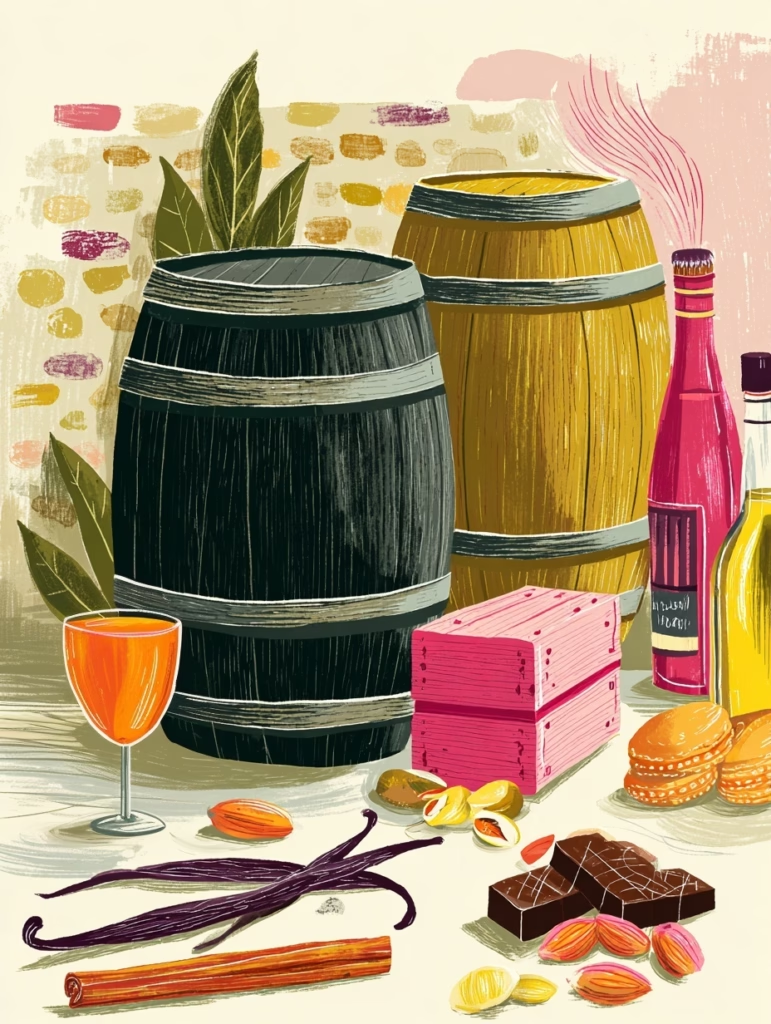
Before we dive into the recommendations, let’s talk about what separates a cozy winter wine from your typical Tuesday night pour:
- Body and Weight: Winter wines tend to be fuller-bodied (likely due to malolactic fermentation), meaning they feel more substantial in your mouth. Think the difference between skim milk and whole milk—you want that richness when it’s freezing outside.
- Warming Flavors: Dark fruit, baking spices, chocolate, smoke, and earthy undertones all scream “light a candle and stay awhile.”
- Food-Friendliness: The best winter wines can stand up to heavy, rich dishes without getting lost. They’re not wallflowers at the dinner party—they’re main characters.
- Higher Alcohol Content: Many full-bodied reds clock in at 13.5-15% ABV, which contributes to that warming sensation (and why you should definitely pace yourself).
The 5 Best Wines for Winter
1. Cabernet Sauvignon: The Reliable Boyfriend of Winter Wines
Why It’s Perfect for Winter: Cabernet Sauvignon is the reliable boyfriend of red wine—consistently excellent, always delivers, and somehow gets better with age. This full-bodied red brings bold flavors of blackcurrant, cedar, and dark chocolate, with firm tannins that make it the ideal partner for rich, meaty dishes.
Flavor Profile: Black currant, plum, cedar, tobacco, dark chocolate, sometimes green bell pepper (that’s the pyrazines—fancy wine word for the compound that creates that herbal note)
Best Regions to Explore:
- Napa Valley, California: Bold, fruit-forward, often with vanilla and oak influence
- Bordeaux, France: More structured and earthy, usually blended with Merlot
- Washington State: Excellent value with bright fruit and balanced structure
Perfect Pairings: Prime rib, beef stew, lamb chops, hard aged cheeses, mushroom risotto
Price Range: $20-40 for solid everyday bottles; $50+ for special occasion splurges
2. Syrah (or Shiraz): The Spicy Stranger
Why It’s Perfect for Winter: If Cabernet is the reliable boyfriend, Syrah is the mysterious stranger at the party who turns out to be incredibly interesting. This grape produces dark, brooding wines with a signature black pepper spice that literally warms you from the inside out. It’s giving “candles lit, fireplace crackling, maybe some jazz playing” energy.
Flavor Profile: Blackberry, plum, black pepper, smoked meat, leather, violets, sometimes bacon fat (yes, really—and it’s delicious)
Syrah vs. Shiraz—What’s the Difference? Same grape, different vibes:
- Syrah (French style): More elegant, peppery, medium-bodied, earthy
- Shiraz (Australian style): Bolder, jammier, often sweeter fruit with chocolate notes
Best Regions to Explore:
- Northern Rhône, France (Côte-Rôtie, Hermitage): The OG—elegant, complex, age-worthy
- Barossa Valley, Australia: Big, bold, fruit-bomb Shiraz with chocolate and spice
Perfect Pairings: BBQ ribs, braised short ribs, lamb tagine, grilled sausages, smoky cheese
Price Range: $12-20 for everyday sippers; $30+ for premium bottles
3. Malbec: The Cozy Velvet Robe of Red Wines
Why It’s Perfect for Winter: Malbec is soft, plush, and approachable—like wrapping yourself in velvet. Originally from France but now Argentina’s signature grape, Malbec offers dark fruit flavors with gentler tannins than Cabernet, making it incredibly easy to drink (maybe too easy—you’ve been warned). It’s also one of the best values in the wine world, which means you can stock up without guilt.
Flavor Profile: Ripe plum, blackberry, black cherry, cocoa, vanilla, sometimes a hint of violet
Best Regions to Explore:
- Mendoza, Argentina: The mothership—lush, fruit-forward, excellent quality-to-price ratio
- Cahors, France: The original home, producing more tannic, earthy versions (look for wines labeled “Côt”)
- California: Riper, often softer, with jammy fruit character
Perfect Pairings: Grilled steak (especially with chimichurri), empanadas, roasted vegetables, hard cheeses, anything with a little char on it
Price Range: $15-25 for excellent everyday bottles; $30+ for reserve selections
4. Châteauneuf-du-Pape: The “Treat Yourself” Wine
Why It’s Perfect for Winter: Sometimes you need a wine that makes you feel fancy without requiring a second mortgage. Châteauneuf-du-Pape (pronounced “shah-toe-nuhf-doo-pahp”) is a Southern Rhône blend that can include up to 13 different grape varieties, though Grenache typically leads the charge. The result? Layers upon layers of flavor that reveal themselves slowly, like a really good limited series you want to savor.
Flavor Profile: Raspberry, kirsch, dried herbs (lavender, thyme, rosemary—très Provence), leather, spice, garrigue (that wild, scrubby Mediterranean hillside smell)
Why It’s Worth the Splurge: These wines are complex, food-friendly, and genuinely impressive without being pretentious. Plus, saying “I brought a Châteauneuf-du-Pape” at a dinner party automatically makes you sound like you know what you’re doing.
Perfect Pairings: Beef bourguignon, roasted duck, lamb with herbs de Provence, wild mushroom dishes, aged Gruyère
Price Range: $30-50 for quality bottles; $60+ for prestigious estates
💡 Budget-Friendly Alternative: Look for Côtes du Rhône wines—they’re made in a similar style from the same region but cost significantly less ($12-20). Think of it as Châteauneuf’s equally charming younger sibling.
5. Oaked Chardonnay: The Winter-Ready White
Why It’s Perfect for Winter: Not all winter wines need to be red! A full-bodied, oak-aged Chardonnay brings buttery richness, toasty vanilla notes, and enough weight to stand alongside your heaviest comfort foods. This is not your mom’s watery, forgettable Chardonnay—we’re talking about wines with presence and personality.
Flavor Profile: Baked apple, ripe pear, vanilla, butter, toast, sometimes tropical notes like pineapple or mango, hint of baking spice
How to Find Rich, Oaked Styles: Look for these clues on the label or in tasting notes:
- “Barrel-fermented” or “barrel-aged”
- “Sur lie” (aged on lees for creamier texture)
- Regions known for richer styles: Napa Valley, Sonoma Coast, parts of Burgundy
- Avoid anything labeled “unoaked,” “steel-fermented,” or “crisp”
Best Regions to Explore:
- Burgundy, France (specifically Meursault, Puligny-Montrachet): Elegant richness with mineral backbone
- Napa Valley & Sonoma, California: Bolder, more tropical, unapologetically buttery
- Willamette Valley, Oregon: Beautiful balance—rich but not over-the-top
Perfect Pairings: Roasted chicken, lobster with butter, creamy pasta dishes, butternut squash soup, brie and crusty bread
Price Range: $18-30 for quality oaked bottles; $40+ for premium Burgundy or California
Winter Wine Cheat Sheet
| Wine | Body | Key Flavors | Best For | Price Range |
| Cabernet Sauvignon | Full | Black currant, cedar, dark chocolate | Beef dishes, dinner parties | $20 – 50+ |
| Syrah / Shiraz | Full | Blackberry, black pepper, smoke | BBQ, braised meats | $12 – 30+ |
| Malbec | Medium to Full | Blackberry, black pepper, smoke | Steak, everyday comfort | $15 – 30+ |
| Châteauneuf-du-Pape | Full | Raspberry, herbs, spice | Special occasions, French cuisine | $30 – 60+ |
| Oaked Chardonnay | Full (for a white) | Raspberry, herbs, spice | Roasted chicken, creamy dishes | $18 – 40+ |
Tips for Serving Winter Wines
Temperature Matters: Even full-bodied reds shouldn’t be served at actual room temperature (that advice is from when rooms were colder!). Aim for 60-65°F for reds—slightly cool to the touch. If your bottle feels warm, pop it in the fridge for 15 minutes or use one of our recommended tools to keep it cool.
Decant When You Can: Big, tannic reds like Cabernet and Châteauneuf-du-Pape benefit from 30-60 minutes of breathing time. It softens the tannins and opens up those complex aromas.
Go Big on Glassware: Fuller wines need room to breathe and express themselves. Use your largest wine glasses for these cold-weather beauties.
The Bottom Line
Winter wine drinking is all about leaning into richness, warmth, and those “I’m not leaving my couch” vibes. Whether you’re going full velvet with a Malbec, getting fancy with Châteauneuf-du-Pape, or surprising everyone with a luxurious Chardonnay, these wines are designed to make the coldest months feel a little more bearable.
Stock up, stay cozy, and remember: there’s no wrong way to drink wine in winter—as long as you’re enjoying it.
Stags’ Leap Winery, Napa Valley Chardonnay ($30-35) — United States, Napa Valley, California: If you’re looking for the Goldilocks of oaked Chardonnay—not too buttery, not too lean—this is it. Stags’ Leap sources their fruit from cooler southern Napa appellations where San Pablo Bay fog keeps things fresh, and it shows. You’ll get lemon curd and pear on the nose with toasted almond and honeydew on the palate, but the lees stirring (bâtonnage, if you’re feeling fancy) gives it that creamy, luxurious mouthfeel without veering into butter-bomb territory. The winery dates back to 1893 and sits on the National Register of Historic Places, which feels appropriate for a wine this classic.
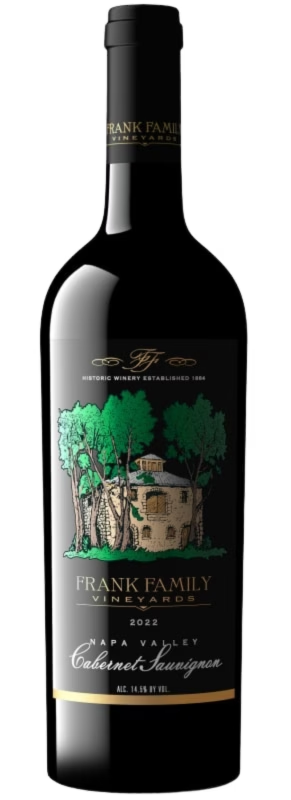
Frank Family Vineyards, Napa Valley Cabernet Sauvignon ($45-60) — United States, Napa Valley, California: Frank Family is one of those Napa producers that sommeliers love because the wines deliver serious quality without the sticker shock of some of their neighbors. This Cab is classically styled with blackberry, cassis, and violets on the nose, followed by espresso, nutmeg, and dark chocolate on the palate. The tannins are silky rather than grippy, so it’s approachable now but will age beautifully if you have the patience (I usually don’t). The fruit comes primarily from Rutherford, one of Napa’s most storied AVAs, and the winery itself is housed in a stunning 1884 stone building. This is a bottle I’d bring to steal hearts at a dinner party without having to take out a mortgage
Catena, Malbec ($18-22) — Argentina, Mendoza: The Catena family basically put Argentine Malbec on the map, and this bottle is the reason why. Sourced from high-altitude vineyards in the Andes foothills (we’re talking 3,000-4,700 feet above sea level), the wine has that signature plush Malbec texture with dark cherry, plum, and blackberry, plus hints of violet and mocha from a few months in oak. It’s medium-to-full bodied with soft tannins and enough acidity to keep things fresh. Fourth-generation winemaker Laura Catena and chief winemaker Alejandro Vigil have turned this into one of the most consistently excellent wines at its price point. Pair it with grilled steak and chimichurri, or honestly, just a Tuesday night when you deserve something good without overthinking it.
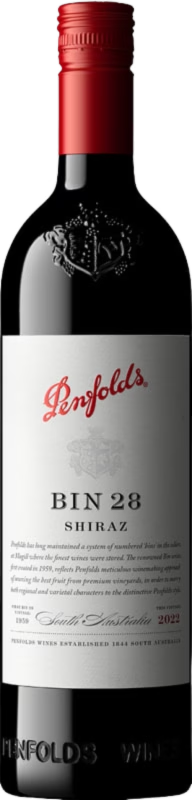
Penfolds, Bin 28 Shiraz ($30-40) — Australia, South Australia: If you want to understand the Penfolds house style without dropping Grange money, Bin 28 is your gateway. First made in 1959, it’s the oldest Bin wine in the lineup—originally sourced from the legendary Kalimna Vineyard in Barossa Valley. Today it’s a multi-regional blend pulling from Barossa, McLaren Vale, Padthaway, and Clare Valley, but the DNA is unmistakably Penfolds: rich, full-bodied, and generous. Expect dark plum, blackberry, mocha, and chocolate with notes of licorice, tobacco, and that signature American oak vanilla. The tannins are plush and velvety with a long warming finish. It’s intense without being overwhelming, and has the structure to age for a decade or more if you’re feeling patient. This is serious quality at a very reasonable price.
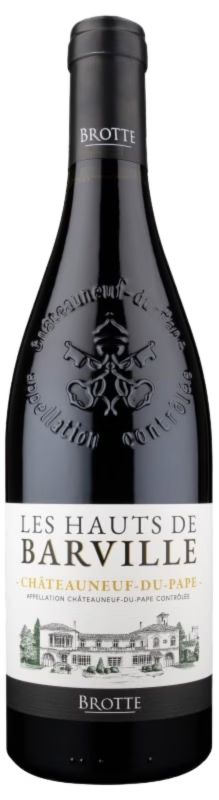
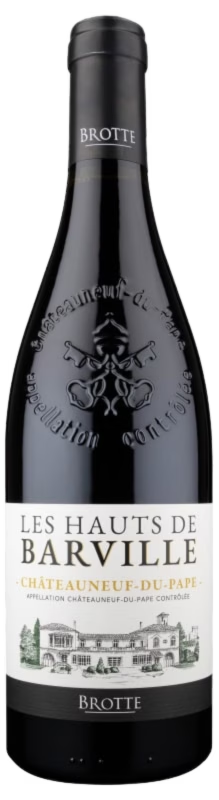
Maison Brotte, Les Hauts de Barville Châteauneuf-du-Pape 2022 ($35-45) — France, Châteauneuf-du-Pape: If you want to dip your toe into Châteauneuf-du-Pape without the intimidation factor, Les Hauts de Barville is an excellent entry point. The Brotte family has been making wine in CDP since 1931—five generations deep—and they literally have their own wine museum in the village (goals). This cuvée is a blend of 70% Grenache with Syrah and Mourvèdre, aged in a mix of foudres, concrete, and French oak. Expect wild strawberry, mulberry, and ripe cherry layered with dried Mediterranean herbs, black pepper, lavender, and that signature garrigue scent. It’s medium-to-full bodied with elegant structure—rich and plush without being heavy.