Barbera: The Multitasking Queen Who Makes Everything Look Effortless
Part 2 of our Piedmont’s Leading Ladies series
In Piedmont, while Zia Nebbiolo commands the steepest hills and highest prices, there’s another grape quietly dominating the region in sheer volume and everyday elegance. Barbera covers more vineyard acreage in Piedmont than any other red grape, and for good reason—she’s reliable, versatile, and absolutely essential to the region’s identity.
This isn’t about settling for second best. Barbera represents the heart and soul of Piedmontese wine culture, the grape that locals actually drink with dinner every night. While tourists chase after prestigious Barolo, the people who live and breathe these hills pour Barbera with their pasta al pomodoro and never think twice about it. She’s the grape that built Piedmont’s reputation as a region where wine isn’t just special occasion stuff—it’s daily life, elevated.
Barbera thrives in those mid-slope vineyards that offer excellent terroir without the sky-high real estate prices. She’s productive but not in a cheap way—more like she’s efficient and knows how to deliver quality consistently. In a region obsessed with perfection, Barbera proves that sometimes the most beloved family member is the one who just makes everything work.
Meet Zia Barbera: The Stylish Multitasker
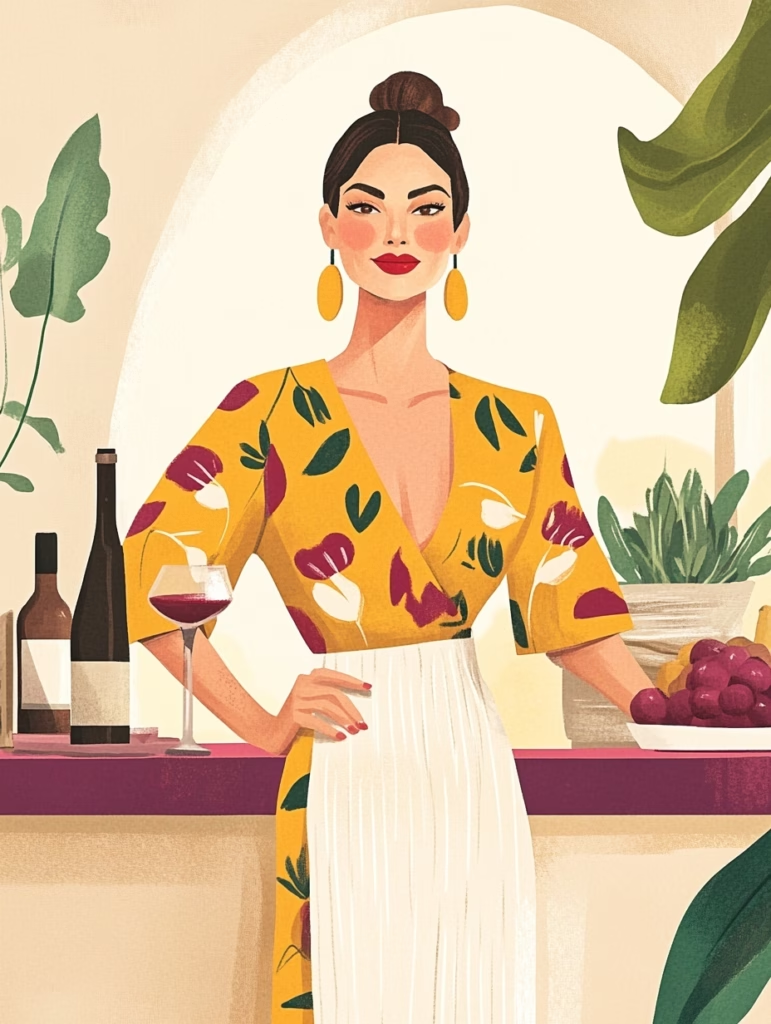
If Zia Nebbiolo is the commanding matriarch who demands your full attention, then Zia Barbera is the stylish middle sister who somehow makes everything look effortless. She’s the aunt who throws together a five-course meal while FaceTiming three cousins, organizing next weekend’s family gathering, and still managing to look like she stepped out of a Dolce & Gabbana campaign.
Zia Barbera is practical glamour personified. She wears silk blouses to grocery shopping, keeps fresh flowers in every room, and has strong opinions about the proper way to make ragu (spoiler: it involves a lot of patience and even more love). She’s the aunt everyone wants to sit next to at dinner because she brings the energy without the drama, tells the best stories, and somehow makes Tuesday night leftovers feel like a celebration.
She doesn’t need ceremony or special occasions—Zia Barbera believes every day deserves something beautiful. She’s got high standards but zero pretension, sophisticated taste but approachable charm. While Zia Nebbiolo is saving herself for special moments, Zia Barbera is making every moment special just by showing up.
This is the aunt who taught the family that elegance isn’t about being expensive or exclusive—it’s about bringing joy and style to everyday life. And honestly? The family wouldn’t function without her.
Understanding Barbera: The Grape That Built Piedmont
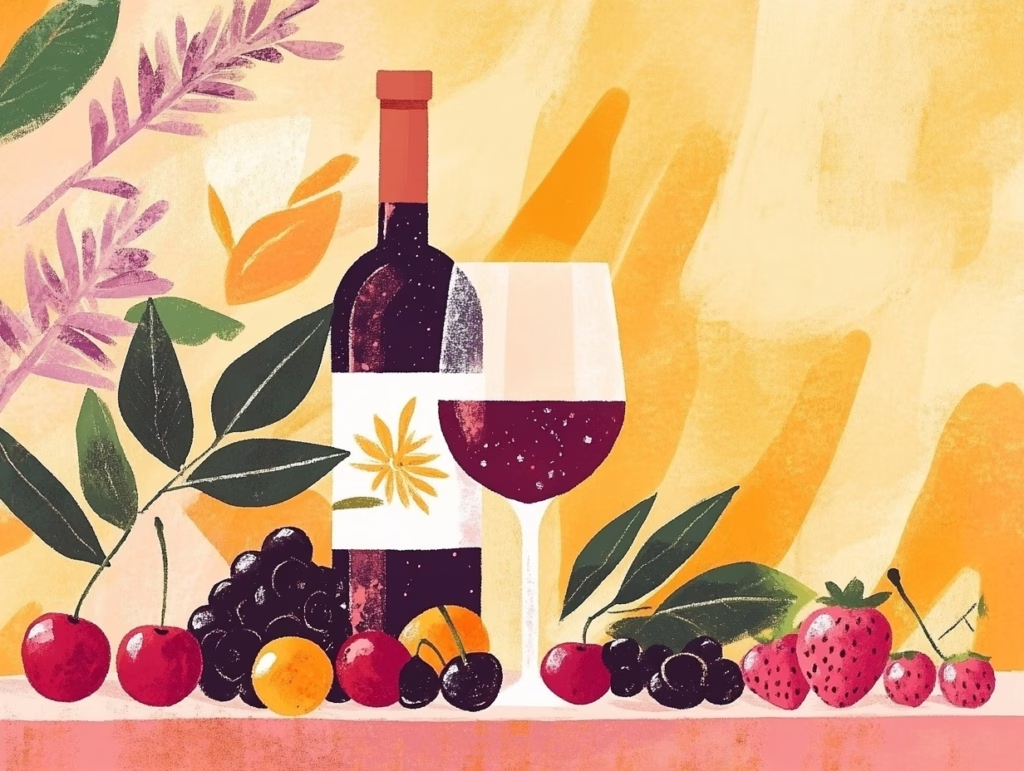
Barbera might not get the headlines that Nebbiolo commands, but she’s the backbone of Piedmontese wine culture. This grape has been grown in the region for over 700 years, making her practically indigenous to these hills. While Nebbiolo arrived later and claimed the prestige spots, Barbera was already here, quietly building a reputation as the grape that delivers quality, consistency, and pure drinking pleasure.
How to Spot Zia Barbera in a Blind Tasting
Barbera’s personality is driven by her electric acidity—she practically sparkles on the palate, making her feel bright and energetic even when her fruit leans rich and concentrated. She’s expressive, animated, and just a little bit flirty.
Color: Deep ruby to purple-red, often more intensely colored than Nebbiolo but not as dark as Dolcetto.
Aromatics: Barbera leads with fruit but always with that characteristic brightness:
- Red berry medley: Cherry, raspberry, cranberry, strawberry
- Dark fruit notes: Blackberry, black plum, black cherry
- Herbal complexity: Dried herbs, lavender, bay leaf
- Spice elements: Clove, anise, white pepper
- Sometimes: Balsamic reduction, violet, rose petal
Palate: Medium-bodied with low tannins that feel smooth and supple. The hallmark is that mouthwatering acidity that makes you want to take another sip (and another, and another). Young Barbera feels juicy and immediate, while aged versions develop more complexity without losing that essential brightness.
Texture: Silky, approachable, food-friendly. Unlike her more structured sister Nebbiolo, who can take a long time to open up, Barbera feels generous and welcoming from the first sip.
How Barbera Grows: The Reliable Performer
Barbera is the grape that growers trust—vigorous, consistent, and adaptable to different sites and conditions. She’s naturally high in acidity, which means she can ripen fully without becoming flabby or losing her essential brightness. This makes her perfect for Piedmont’s continental climate, where hot summers could easily overwhelm less naturally acidic grapes.
She thrives in calcareous clay and limestone soils, which help balance her natural acidity with depth and mineral complexity. Unlike Nebbiolo, who demands the very best exposition, Barbera performs beautifully on mid-slope vineyards where she gets good sun exposure without the premium real estate prices.
How Barbera Is Made: Traditional Charm Meets Modern Polish
Winemakers approach Barbera with two main philosophies, both designed to showcase her natural charm while adding layers of complexity:
Traditional Style Barbera:
- Fermentation in stainless steel or large neutral casks
- Focus on preserving bright acidity and pure fruit
- Minimal oak influence to let the grape’s personality shine
- Ready to drink young and best enjoyed within 3-5 years
Modern Style Barbera:
- Aging in small French oak barrels (barriques)
- Added spice, toast, and weight from oak contact
- More structured wines that can age 5-10+ years
- Rounder texture but still maintaining essential acidity
Both approaches produce exceptional wines—it’s just a matter of whether you prefer Zia Barbera in her fresh, everyday elegance or her more polished, special occasion attire.
Barbera’s Regional Expressions: Three Personalities, One Grape
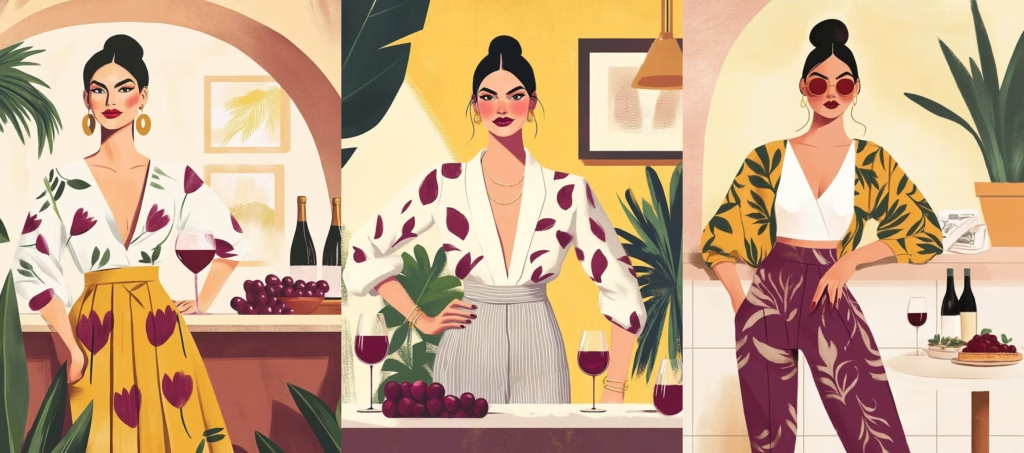
Like any sophisticated family member, Barbera expresses herself differently depending on where she’s grown. Think of these as Zia Barbera’s different moods—same essential personality, but adapted to different occasions and terroirs.
- Barbera d’Asti DOCG: The elegant expression—like Zia Barbera in her floral Prada skirt paired with a silk blouse for a gallery opening. Lively, floral, and fruit-driven with gorgeous lift and finesse. These wines often show beautiful violet and spice notes alongside bright red fruit. Perfect with pasta al pomodoro or herb-roasted chicken.
- Barbera d’Alba DOC: The sophisticated expression—think tailored Brunello Cucinelli for an important dinner. Darker, richer, and more structured than her Asti cousin, these wines often see more oak aging and show blackberry, anise, and warming spices. Ideal with brasato or aged cheeses.
- Barbera del Monferrato DOC: The playful expression—Zia Barbera in her weekend Versace tracksuit, effortlessly chic even when she’s being casual. Rustic charm that sometimes comes lightly sparkling (frizzante), these wines capture Barbera’s fun-loving side and are perfect for casual gatherings. Made for picnics and aperitivo hour.
Each expression showcases Barbera’s versatility while maintaining that signature high acidity and food-friendly character that makes her such a beloved grape.
Zia Barbera’s Signature Dishes: Food Pairing Perfection
Zia Barbera is a sommelier’s dream because she’s incredibly versatile with food. Her high acidity means she can cut through rich dishes, while her fruit-forward character complements both simple and complex preparations. She’s the aunt who makes even leftover pizza taste like a gourmet meal.
Her Perfect Matches:
- Pasta al Pomodoro: The classic pairing—her acidity perfectly complements tomato-based sauces while her fruit echoes the sweetness of San Marzano tomatoes.
- Risotto ai Funghi: Mushroom risotto brings out her earthy, herbal notes while her acidity cuts through the creamy rice.
- Brasato di Manzo: Slow-braised beef that matches her ability to be both comforting and sophisticated.
- Pizza Margherita: Yes, really—her acidity and fruit make her perfect with tomato sauce and fresh mozzarella.
- Roasted Vegetables: Especially eggplant, zucchini, and peppers—her brightness enhances their natural sweetness.
- Aged Parmigiano-Reggiano: The nutty, crystalline cheese highlights her more complex notes.
What Makes Her So Food-Friendly:
- High acidity cuts through rich, fatty dishes
- Low tannins won’t clash with delicate preparations
- Bright fruit complements both tomato and herb-based sauces
- Medium body won’t overwhelm lighter dishes or get lost with heartier ones
Barbera’s Range: From Fresh to Complex
Unlike Nebbiolo with its philosophical divides, Barbera producers simply choose the style that best expresses their vision. Some prefer to showcase her bright, immediate charm, while others explore her potential for complexity and aging.
Fresh, Fruit-Forward Style
These Barberas capture the grape’s essential joy—bright, immediate, and perfect for everyday drinking.
Characteristics:
- Fermentation in stainless steel or large neutral casks
- Focus on pure fruit expression and vibrant acidity
- Minimal oak influence
- Ready to drink upon release
- Perfect for casual dining and weeknight meals
Structured, Complex Style
These wines show Barbera’s potential for sophistication without losing her essential character.
Characteristics:
- Some aging in small oak barrels for added complexity
- More structured wines that can develop over 5-8 years
- Added spice and depth while maintaining bright acidity
- Perfect for special occasions and richer dishes
- Proof that Barbera can be both approachable and serious
Producer Spotlight: Masters of Barbera
Vigneti Massa (Traditional Excellence): This organic producer in Colli Tortonesi creates Barbera that showcases pure terroir expression under the guidance of the legendary Walter Massa, who single-handedly rescued the Timorasso grape from extinction. While he’s famous for his white wines, his Barberas are equally exceptional, showing what happens when old-vine fruit meets minimal intervention winemaking. Walter Massa produces two distinctive Barberas:
- “Sentieri” Barbera del Monferrato: Light-saber bright fruit in stainless steel, showing classic cherry and herb notes. Perfect entry-level introduction to the producer’s style. Around $25-30
- “Monleale” Barbera del Monferrato: Aged in used barriques for structure and complexity, this wine proves Barbera can age beautifully for 10+ years. Around $30-40
Vietti (Modern Traditional): The same family that excels with Nebbiolo brings their expertise to Barbera with multiple expressions that showcase both traditional techniques and modern polish. Founded in the late 1800s and now run by the Currado family, Vietti has been instrumental in elevating the reputation of Piedmontese wines beyond just the famous appellations. Their approach to Barbera balances respect for the grape’s natural character with careful winemaking that enhances complexity without masking terroir:
- “Tre Vigne” Barbera d’Asti: Lifted, spicy character with vibrant red fruit and perfect food-pairing acidity. Available on Wine.com around $20-25
- “La Crena” Barbera d’Asti: Single-vineyard expression with old vines showing more depth and aging potential. Around $35-45
Giacomo Conterno (Prestigious Traditional): One of Piedmont’s most respected traditional producers crafts two exceptional Barberas that prove this grape deserves the same attention as their legendary Barolos. The Conterno family has been making wine since 1908, and their unwavering commitment to traditional methods produces Barberas with incredible depth and aging potential. Under Roberto Conterno’s guidance, these wines showcase what happens when meticulous viticulture meets patient winemaking:
- “Cerretta” Barbera d’Alba: Structured and deep with subtle oak nuance, proving Barbera can be both approachable and serious. Available on Wine.com around $60-70
- “Vigna Francia” Barbera d’Alba: From the same vineyard that produces their legendary Barolo, this wine shows incredible complexity and aging potential. Around $80-90
Braida “Montebruna” (Modern Pioneer): This producer helped elevate Barbera’s reputation with their flagship wine that shows Barbera’s potential for greatness, thanks to the vision of the late Giacomo Bologna who revolutionized how the world sees this grape. Founded by a wheelwright nicknamed “Braida,” the winery is now run by Giacomo’s children who continue his mission of proving that Barbera can be world-class. Their approach combines traditional Piedmontese winemaking with modern techniques that highlight the grape’s natural brightness while adding layers of complexity:
- “Montebruna” Barbera d’Asti: Modern, juicy, and silky smooth with perfect balance of fruit and oak. This wine put premium Barbera on the map. Available on Wine.com in multiple vintages around $30-40
Shopping for Barbera: Your Guide to Labels and Quality
Understanding Barbera Labels
- DOCG vs. DOC: Barbera d’Asti earned DOCG status (Italy’s highest classification), while Barbera d’Alba and Barbera del Monferrato remain DOC. Both classifications produce excellent wines.
- Superiore Designations: Look for “Superiore” on labels—this indicates longer aging and often higher quality within each appellation.
- Vintage Importance: Unlike Nebbiolo, most Barbera is meant to be enjoyed young. Look for wines from the last 2-5 years for optimal freshness.
Key Quality Indicators
- Producer reputation: Established names often deliver consistent quality
- Vineyard designation: Single-vineyard Barberas often show more complexity
- Alcohol level: Well-balanced Barberas typically range from 13.5-14.5% alcohol
Respected Producers to Seek Out
- Traditional Excellence: Giacomo Conterno, Giuseppe Rinaldi, Bartolo Mascarello
- Modern Masters: Vietti, Paolo Scavino, Elio Altare
- Value Champions: Michele Chiarlo, Renato Ratti, Cascina Val del Prete
- Innovative Producers: Braida, Coppo, Prunotto
Price Ranges and What to Expect
- Everyday Barbera ($15-25): Fresh, food-friendly wines perfect for weeknight dinners
- Premium Barbera ($25-40): More complexity and structure, often with subtle oak influence
- Single Vineyard ($40-60): Top expressions that showcase specific terroir
- Reserve/Superiore ($60+): Aged wines that prove Barbera’s potential for greatness
When to Invite Zia Barbera to Dinner
Unlike her more demanding sister Nebbiolo, Zia Barbera is ready for any occasion:
- Weeknight pasta dinners when you want something special but not precious
- Casual dinner parties where the wine should enhance, not dominate, conversation
- Pizza nights that deserve something better than basic red wine
- Family gatherings where you need a crowd-pleasing wine that goes with everything
- Sunday sauce sessions when you’re cooking all day and want a wine that feels like part of the family
Zia Barbera doesn’t require special glassware or lengthy decanting—just open the bottle and enjoy. She’s the wine equivalent of that friend who makes any gathering more fun just by showing up.
The Bottom Line: Why Zia Barbera Is Piedmont’s Secret Weapon
Barbera represents everything we love about Italian wine culture—the belief that good wine should be part of everyday life, not saved for special occasions. She’s proof that you don’t need astronomical prices or decades of aging to experience something truly beautiful.
Zia Barbera taught Piedmont that elegance isn’t about being exclusive—it’s about bringing joy, style, and quality to daily life. She’s the grape that makes wine lovers out of casual drinkers and keeps enthusiasts coming back for more.
In a world of increasingly serious and expensive wines, Barbera reminds us that sometimes the best bottle is the one you can afford to open on a Tuesday night, knowing there’s another one waiting in the cellar for Wednesday.
Next week: Meet Zia Dolcetto—the fun-loving aunt who brings the party wherever she goes and never takes herself too seriously.