Does Wine Always Need to Be Decanted? Your No-BS Guide to Decanting
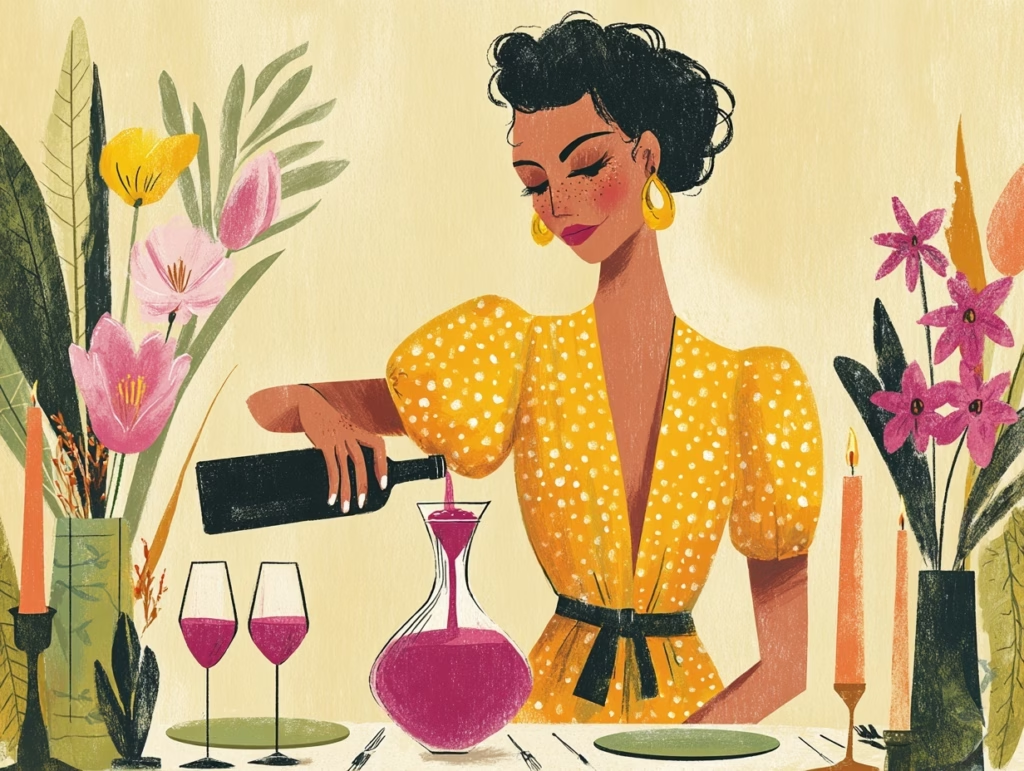
Short answer: Nope! Most wines are perfectly happy going straight from bottle to glass. But some wines? They’re basically begging for a little breathing room before showtime.
Let’s break down when decanting actually matters, when it’s just extra, and what to do if you don’t own a fancy crystal decanter.
What Does Decanting Actually Do?
Think of decanting as giving your wine a spa day—it serves two main purposes:
- Aeration (aka letting wine breathe): Exposing wine to oxygen softens harsh tannins and opens up aromas. It’s like when you need a minute (or twenty) to wake up before being a functioning human—some wines need that too.
- Sediment separation: Older wines develop sediment (basically harmless wine crystals and grape particles) that tastes bitter and looks… not cute. Decanting leaves that gunk in the the decanter instead of your glass.
The Telltale Signs Your Wine Needs Decanting
Young, Tannic Red Wines (The Moody Teenagers)
- You’re drinking: Big, bold reds like Cabernet Sauvignon, Barolo, Bordeaux blends, or Syrah under 5 years old
- The vibe: These wines are tight, closed off, and a little aggressive. Their tannins can taste harsh or astringent straight from the bottle and benefit from the decanting’s softening effect.
- Decanting time: 30 minutes to 2 hours before serving
- How to tell: If your first sip makes you pucker or the wine tastes one-dimensional, it probably needs air. Also, if the wine cost more than $40 and is young, it’s probably built to benefit from decanting.
Older Red Wines (The Distinguished Elders)
- You’re drinking: Aged Burgundy, mature Rioja, vintage Port, or anything with 10+ years of bottle age
- The vibe: These wines have done their time and developed sediment. They’re refined, but they’ve got baggage (literally).
- Decanting time: Pour gently and serve immediately—these delicate wines can fade fast once exposed to air
- How to tell: Hold the bottle up to a light. See cloudy stuff or dark particles settling at the bottom? That’s your sign. Also, if the wine is special or expensive and old, it probably has sediment.
Most White Wines, Rosés, and Light Reds (The Easy-Breezy Crew)
- You’re drinking: Pinot Grigio, Sauvignon Blanc, Provence rosé, Beaujolais, most Pinot Noir
- The verdict: Hard pass on decanting. These wines are meant to be fresh, bright, and fruit-forward. Decanting won’t help and might actually dull their best qualities.
- Exception: Some full-bodied, oak-aged whites (like premium Chardonnay or white Burgundy) can benefit from 15-20 minutes of breathing, but you can just pour and let them open in the glass.
Quick Reference: To Decant or Not to Decant?
| Wine Type | Decant? | Why/Why Not | Time | |||
| Young Cabernet, Bordeaux, Barolo | ✅ Yes | Softens tannins, opens aromas | 1-2 hours | |||
| Aged red wines (10+ years) | ✅ Yes | Removes sediment | Decant & serve right away | |||
| Everyday Pinot Noir, Merlot | 🤷 Maybe | Can help, but not necessary | Can help, but not necessary | |||
| Budget-friendly reds (<$20) | ❌ Nah | Already made to drink now | Just pour | |||
| Crisp whites & rosés | ❌ Nah | Dulls freshness | Skip it | |||
| Full-bodied oaked whites | 🤷 Maybe | Can open up aromatics | 15-20 min |
Don’t Have a Decanter? No Problem.
Listen, most of us don’t have a fancy decanter collecting dust in the cabinet (and if you do, is it actually clean or just decorative at this point?). Here are some legit alternatives:
The Early Pour Method (My Go-To)
- How it works: Pour wine into your actual drinking glasses 30-60 minutes before guests arrive. The wider surface area in wine glasses actually aerates faster than a narrow decanter neck.
- Best for: Solo drinking where you’re only having a glass or two
- Bonus: Gives you an excuse to “taste test” while cooking
The Pitcher/Carafe Hack
- How it works: Any clean glass pitcher or carafe works. Literally. Even that Pyrex measuring cup if we’re being honest.
- Best for: Casual situations where you want aeration without the fuss
- Pro tip: Pour the wine aggressively to maximize oxygen exposure—we’re not being gentle here
Wine Aerators (The Gadget Your Partner Bought That You’re Skeptical About)
- The claim: These attach to bottles or pour-through devices that supposedly aerate wine instantly as you pour.
- My take: Look, I’m pretty skeptical. Do they add oxygen? Sure. Is it the same as decanting? Debatable. Some wines might improve slightly, but I’ve never had an aerator deliver the same results as proper decanting time. They’re convenient for lazy weeknights, but don’t expect magic.
- Worth it? If someone gifts you one, cool. If you’re buying it yourself, your money might be better spent on better wine.
The Bottom Line
Decanting isn’t wine snobbery—it’s about making your wine taste better. But it’s also not always necessary, and sometimes may be downright unhelpful. Most everyday wines are designed to drink immediately, straight from the bottle.
Save the decanting ritual for special bottles that deserve it: young, structured reds that need to chill out, or older wines that have sediment you’d rather not chew on.
And if you don’t have a decanter? You’re literally fine. Wine culture can be pretentious enough without making people feel bad for not owning specialized glassware. Pour it in whatever you’ve got, give it some time if it needs it, and enjoy.
Because at the end of the day, the best way to serve wine is the way that gets it from bottle to glass with minimal stress and maximum enjoyment.
Cheers to breathing easy (and letting your wine do the same)!