From Vineyard to Barrel: What Happens After Grapes Are Picked (Spoiler: It’s Not Just Grape Stomping)
Wine harvest season is around the corner. While we’re all out here sipping our favorite bottles, there’s an entire behind-the-scenes production happening that would make any reality TV show jealous. If you’ve been following along with my grape growing content, you know that vines spend all spring and summer getting those grapes ready for their big moment. But what happens after harvest? Buckle up, because the journey from grape to glass is about to get a whole lot more interesting.
Think of winemaking like a best actress candidate getting ready for the award season—every single choice matters, from the first snip of the shears to the final barrel selection. Let’s break down this fascinating wine production process step by step.
Step 1: The Harvest – Hand Picking vs. Machine Harvesting
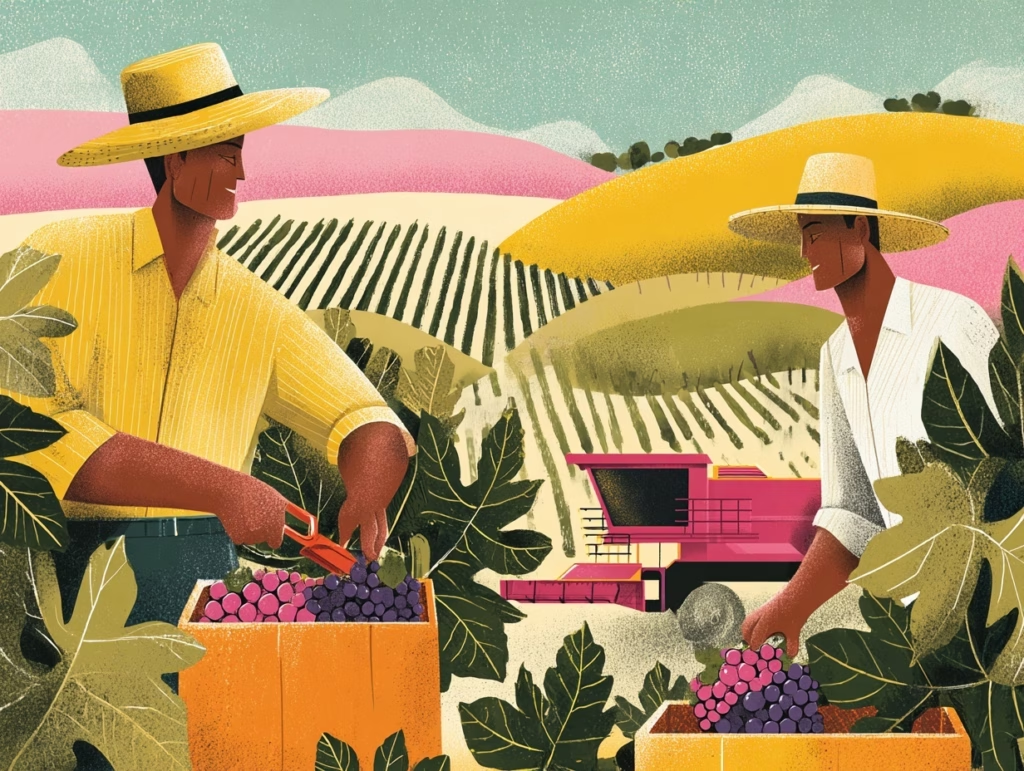
The Great Harvest Debate: Hands vs. Machines
Just like choosing between doing your own nails or getting them professionally done, harvest methods come down to time, budget, and desired results.
Hand Harvesting: The Artisanal Approach
- What it looks like: Workers with small shears carefully selecting and cutting grape clusters
- The vibe: Think slow fashion—intentional, careful, and definitely Instagram-worthy
- Best for: Delicate grapes like Pinot Noir, steep vineyard slopes, premium wines
- Fun fact: Hand pickers can actually taste grapes as they go, selecting only the ripest clusters
Machine Harvesting: The Efficient Queen
- What it looks like: Massive tractors that literally shake grapes off the vine (like a very expensive paint mixer)
- The vibe: Fast fashion—efficient, cost-effective, gets the job done
- Best for: Large, flat vineyards, volume production, heat-sensitive timing (machines can work at night)
- Reality check: Modern harvesters are surprisingly gentle and can be programmed for different grape varieties
🤓 Wine Nerd Alert: Some of the world’s most expensive wines are still hand-harvested. Champagne houses like Dom Pérignon require hand picking to keep grapes intact for gentle pressing.
Step 2: Sorting for Quality Control (Do the Grapes Spark Joy?)
Once grapes arrive at the winery, it’s time for the ultimate quality check. Think of this as the wine world’s version of Marie Kondo—if it doesn’t spark joy (or meet quality standards), it’s out.
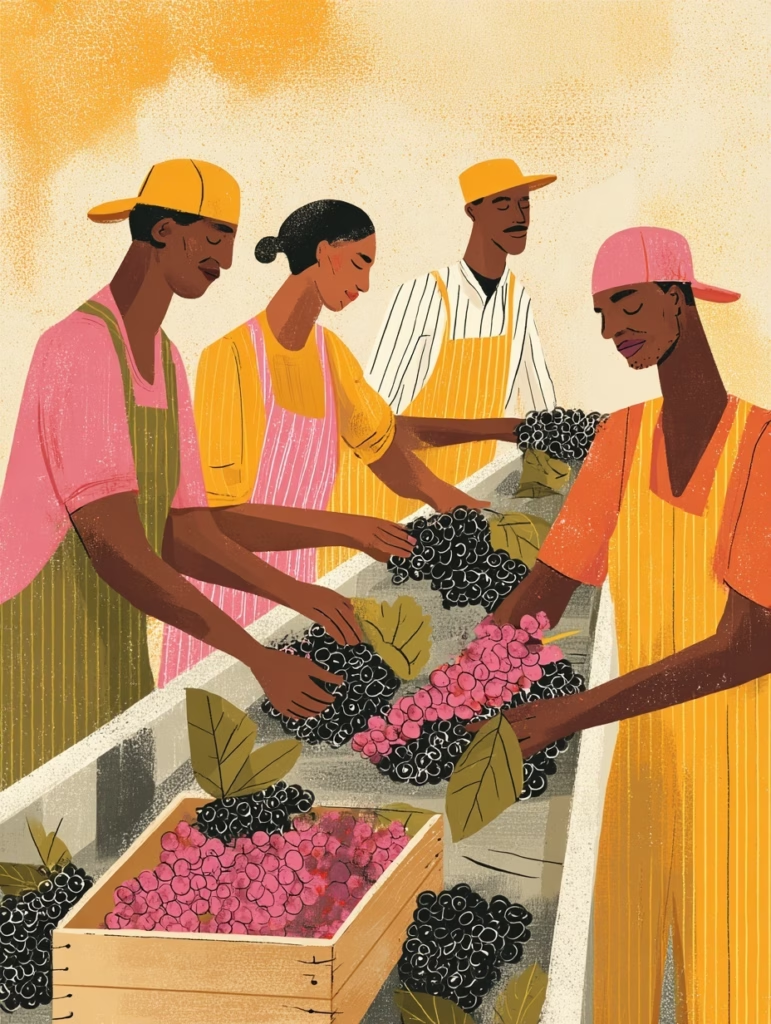
Sorting Options:
- Manual sorting tables: workers hand-pick through grapes on conveyor belts
- Vibrating sorters: machines shake away leaves and debris
- Optical sorters: high tech cameras and lasers can every grape
What Gets Tossed:
- Underripe grapes: not ready for prime time
- Overripe grapes: past their prime, like yesterday’s avocado
- MOG (Material other than grapes): basically anything that isn’t grape perfection
Step 3: Destemming and Crushing – The Gentle Art of Grape Preparation
This is where things get technical, but think of it as the wine equivalent of prepping ingredients for your favorite recipe.
Destemming: To Stem or Not to Stem?
The choice between destemming and whole cluster fermentation is like choosing between a clean, minimalist aesthetic or maximalism—both are valid, but they create different vibes.
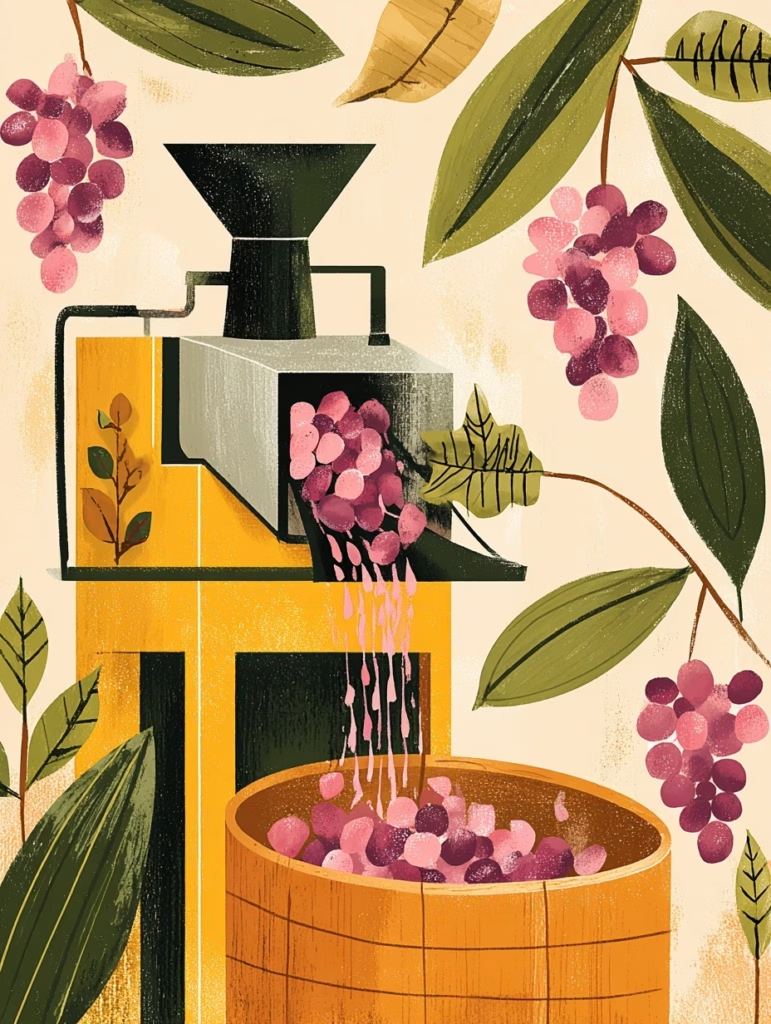
Traditional Destemming:
- What happens: Machines separate berries from stems
- Result: Cleaner, fruitier wines
- Best for: Most modern wine styles
Whole Cluster Fermentation:
- What happens: Entire grape bunches go into fermentation vessels, stems and all
- Result: More complex, spicier wines with added structure
- Trendy factor: Very having-a-moment among natural wine producers
Crushing Options:
- Gentle crushing: Light pressure to break skins and release juice
- Foot crushing (pigeage): Yes, some winemakers still do this! It’s surprisingly gentle
- No crushing: Some wines skip this entirely for even more delicate handling
Pop Culture Moment: Remember Lucy stomping grapes in I Love Lucy? While foot treading is rare now, some premium producers still use it for tradition and gentleness.
Step 4: Pressing – Extracting Liquid Gold
Pressing is basically the wine world’s version of getting every last drop of your expensive serum out of the bottle—technique matters.
Press Types:
Basket Presses: The Vintage Queen
- Equipment: Old-school wooden or metal presses
- Approach: Slow, gentle, and traditional
- Best for: Premium reds that need delicate handling
Pneumatic Presses: The Modern Favorite
- Equipment: Uses an inflatable bladder for even pressure
- Approach: firm but gentle
- Best for: common for white wines and rosés
Continuous Presses: The Efficiency Expert
- Equipment: screw-like machines that continuously feed grapes
- Approach: less precise but gets the job done
- Best for: bulk production
White vs. Red Wine Pressing:
- White wines: Pressed immediately after crushing to avoid skin contact
- Red wines: Fermented first, then pressed to extract color and tannins
Step 5: Fermentation – Where the Magic Actually Happens
Fermentation is basically yeast’s time to shine—they eat sugar and create alcohol and CO2. It’s like hosting the world’s most productive dinner party.
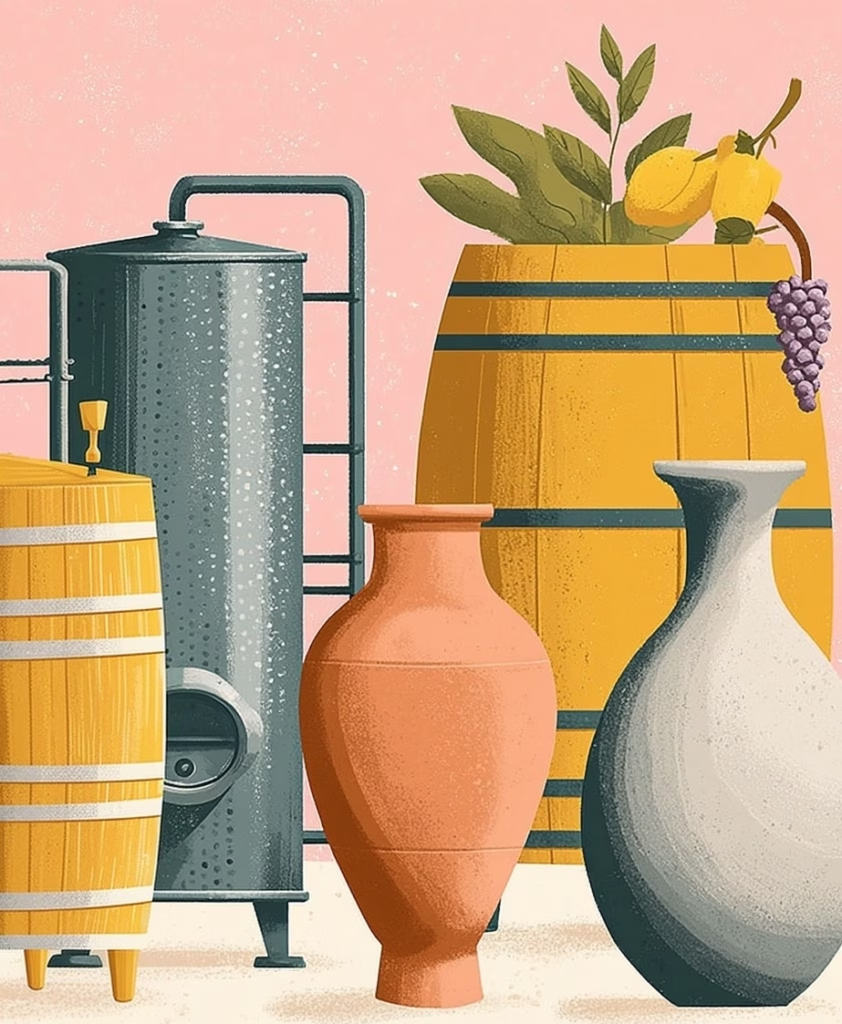
Fermentation Vessel Options:
- Stainless steel: preserves bright, pure fruit flavors (think sauvignon blanc, pinot grigio)
- Oak barrels: adds vanilla, spice, and smooth texture (found in chardonnay, cabernet, and many premium wines)
- Concrete tanks: adds creaminess without additional flavor (common in natural wines and Rhône varieties)
- Clay amphorae: creates earthy, complex, and textured wines (best for orange wines and traditional styles)
Red Wine Fermentation Magic:
- Cap management: Grape skins float to the top, forming a “cap”
- Punch downs: Using paddles to mix skins back into juice
- Pump overs: Circulating juice over the cap
- Goal: Extract color, tannins, and flavor from skins
Step 6: Malolactic Conversion – The Personality Transformation
In malolactic fermentation (MLF) as wine’s glow-up phase bacteria convert sharp malic acid into softer lactic acid, transforming the wine’s personality completely. If you’ve tasted buttery notes in wine, MLF may be responsible.
The MLF Decision Tree:
- Encourage it: Add cultures for buttery, creamy Chardonnays
- Let it happen naturally: Common in red wines for complexity
- Block it completely: Keep wines crisp and bright (hello, Sauvignon Blanc)
Flavor Impact:
- With MLF: Creamy, buttery, softer (think California Chardonnay)
- Without MLF: Crisp, bright, zippy (think Chablis or Sancerre)
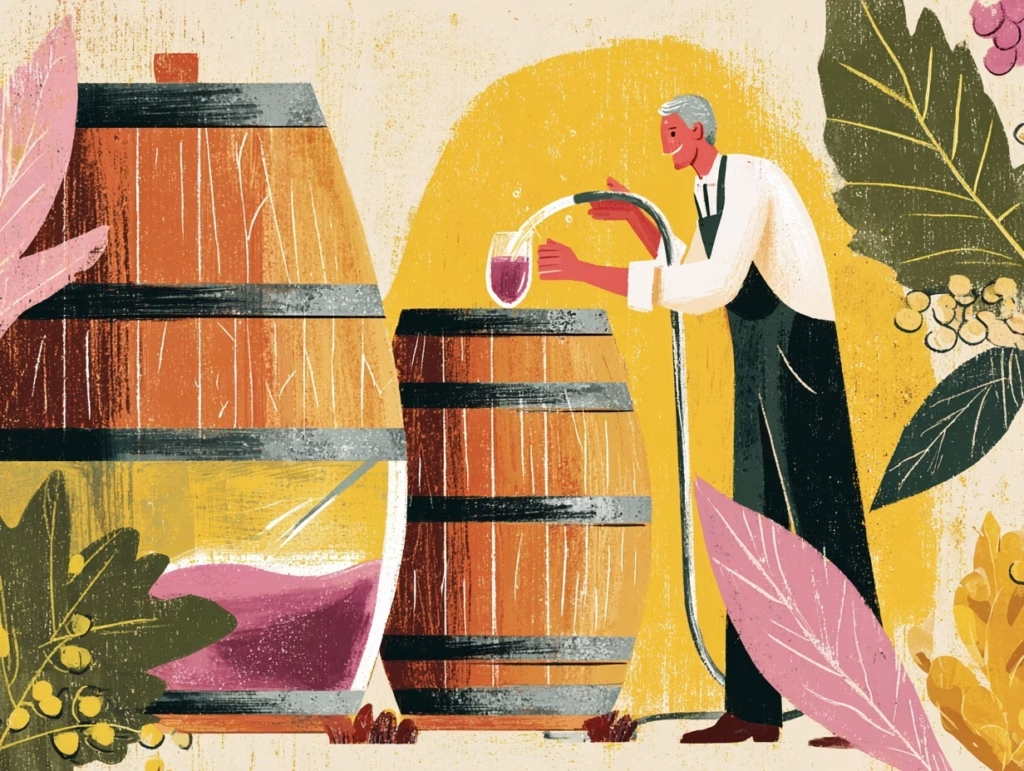
Step 7: Settling and Racking – Clarification Station
After fermentation, wines need to get clear and clean.
What Happens:
- Dead yeast cells (lees) settle to the bottom
- Clear wine is transferred to clean containers
- Process removes sediment and clarifies the wine
Lees Stirring (Bâtonnage):
- Stirring lees back into wine with a steel rod
- Creates creamy, luxurious texture
- Signature technique in white Burgundy
- It’s like whisking cream into your wine
Step 8: Barrel Aging – The Final Personality Decision
This is where winemakers make their final style choice—like choosing the perfect outfit that defines your whole vibe. If you want to dive deeper into how different vessels shape your wine’s personality, check out my complete guide to wine aging vessels or get the top line below.
| Wine Vessel | Personality | What Happens Inside | Resulting Wine | Common Grapes | Typical Regions |
| Oak Barrels | The Chic French Girl | Micro-oxygenation and flavor infusions | Fuller body, spiced/toasty notes, deeper color | Chardonnay, Cabernet Sauvignon, Pinot Noir, Tempranillo | Burgundy, Napa, Bordeaux, Rioja |
| Concrete Eggs | The Crunchy Coachella Girl | Micro-oxygenation, no added flavors, natural circulation | Creamy texture, added minerality, subtle structure | Chenin Blanc, Grenache, Syrah, Carignan | Loire, Rhône Valley, California, Argentina |
| Clay Amphorae | The Modern Mystic | Slow oxidation, often includes skin contact | Earthy, grippy, complex, oxidative | Rkatsiteli, Garnacha, Malvasia, Zibibbo | Georgia, Sicily, Spain, Oregon |
Why Every Choice Matters: The Ripple Effect
Here’s the thing about winemaking—every single decision creates a ripple effect that shows up in your glass. It’s like how choosing the right foundation affects your entire makeup look, except the stakes are your Saturday night wine experience.
Real Talk Examples:
- That crisp Marlborough Sauvignon Blanc? Stainless steel fermentation and blocked MLF
- Your favorite buttery Napa Chardonnay? Oak fermentation with full MLF
- That spicy, complex Rhône red? Whole cluster fermentation in concrete
Quick Reference: Wine Production Cheat Sheet
For Crisp, Fresh Wines:
- Machine harvest (speed preserves freshness)
- Immediate pressing (whites)
- Stainless steel fermentation
- Block malolactic fermentation
- Minimal aging
For Rich, Complex Wines:
- Hand harvest (selection quality)
- Whole cluster options
- Oak fermentation
- Encourage malolactic fermentation
- Extended barrel aging
For Natural, Earthy Wines:
- Hand harvest
- Minimal sorting
- Wild fermentation
- Clay or concrete vessels
- Minimal intervention
The Bottom Line: It’s All About Intention
Whether a winemaker chooses hand harvest or machines, new oak or stainless steel, every decision is intentional. There’s no “right” way—just different paths to different expressions of the same grape.
The next time you’re sipping your favorite bottle, take a moment to think about the journey it took to get there. From that first snip of the harvest shears to its final rest in the barrel, every step was a choice that shaped what’s in your glass.
Coming Up Next: Stay tuned for my guide to bottling, labeling, and how wines make their final journey from barrel to your favorite wine shop!
Ready to taste the difference? Try comparing wines made in different styles—grab a stainless steel Sauvignon Blanc and an oaked Chardonnay to really taste how production choices show up in the glass. Your palate (and wine knowledge) will thank you! 🍷