Labor Day Rosé: Why Pink Wine Doesn’t Fade With Summer
Labor Day doesn't mean goodbye to rosé! Learn the 3 methods winemakers use to make pink wine (hint: it's not just red + white mixed together) and why rosé works year-round.
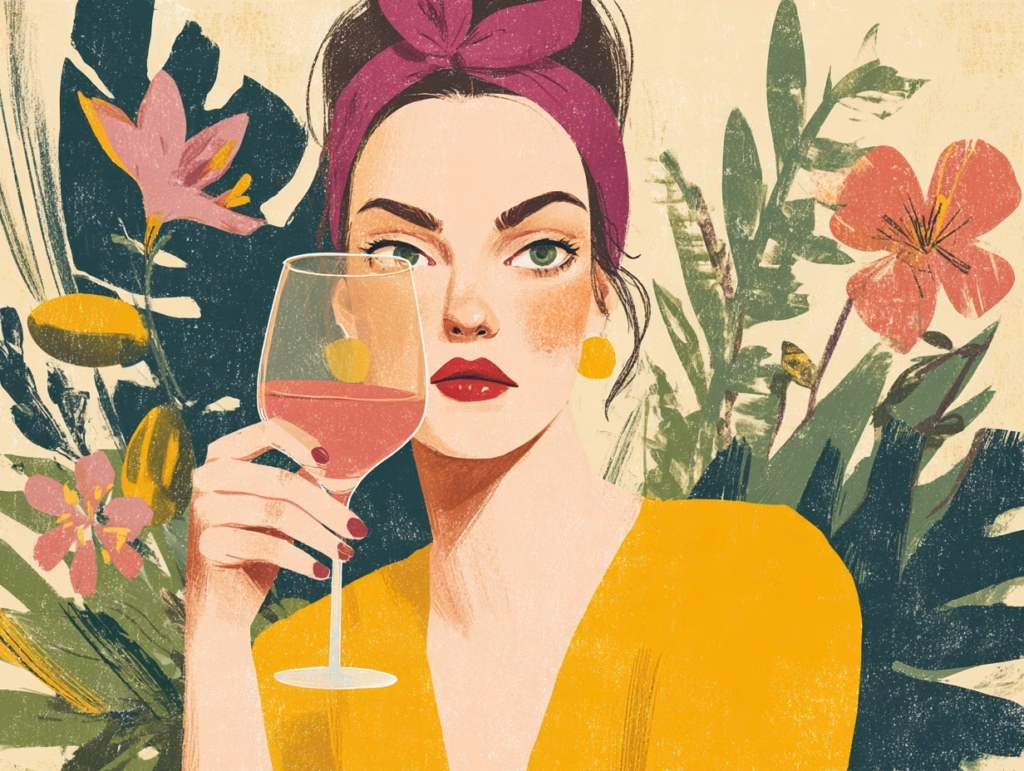
Labor Day weekend has arrived, and everyone’s talking about saying goodbye to white pants and rosé until next Memorial Day. But here’s my hot take: while white jeans might deserve a seasonal break, good rosé is a year-round vibe. Sure, we’re trading poolside sipping for cozy sweater weather, but rosé with a cheese board deserves a spot on your roster year-round.
Before we dive into why rosé belongs in your fall lineup, let’s clear up the biggest wine myth of all time: rosé isn’t just red and white wine mixed together (at least not usually!). There are actually three distinct methods winemakers use to create that perfect pink, and understanding them will totally change how you shop for rosé (whatever the season).
The Three Ways to Make Rosé: A Method Breakdown
1. Maceration: The “Brief Encounter” Method
What happens: Red grapes get crushed and have a short but meaningful relationship with their skins—we’re talking 2 to 24 hours max. Just enough time to pick up some color and attitude, then the juice gets separated and fermented like a white wine.
The result: This is your classic, elegant rosé—think pale salmon pink with crisp acidity and delicate fruit flavors. It’s the method behind most quality rosés, especially those Instagram-worthy Provence bottles.
Why it works: The brief skin contact extracts just enough pigment and tannins to give structure without overwhelming the wine’s fresh, food-friendly character. It’s like the perfect first date—enough chemistry to be interesting, but not so intense it scares anyone away.
2. Saignée (“San-yay”): The Two-for-One Method
What happens: This technique is like a wine side quest. Winemakers making red wine will “bleed off” some juice early in the process—usually within the first 24-48 hours. This concentrates the remaining red wine (more skin-to-juice ratio = deeper color and flavor) while the separated pink juice gets its own fermentation journey.
The result: Saignée rosés are typically deeper in color—think watermelon or coral—and more intense in flavor than their macerated cousins. You’ll get bolder red fruit notes, more body, and sometimes a hint more tannin structure.
Why it’s special: It’s wine multitasking at its finest. The winemaker gets a more concentrated red wine AND a gorgeous rosé as a bonus. These rosés often have more personality and can handle heartier foods.
3. Blending: The “Mix Tape” Method
What happens: A small amount of finished red wine gets blended into white wine to achieve the desired pink shade. Think of it like adding a few drops of red food coloring to make a perfect pink.
The result: This method is rare for still rosés (and actually illegal in most European wine regions for quality wines), but it’s more common in sparkling rosé production, especially for Champagne rosé.
When it works: While purists might turn their noses up, some of the world’s most expensive rosé Champagnes use this method. It allows for precise color control and can create complex flavor profiles by combining different varietals.
Rosé Around the World: Your Regional Cheat Sheet
- Provence, France: The OG of pale, dry rosé. Expect whisper-light pink wines with notes of strawberry, white peach, and herbs. These are the wines that launched a thousand poolside pics.
- Tavel, France: The only French appellation that produces exclusively rosé. These wines are deeper, more serious, with red fruit intensity and spice—perfect for transitioning into fall.
- Spain (Rosado): From crisp and mineral-driven to bold and fruity. Navarra and Rioja produce exceptional value rosés using Garnacha and Tempranillo.
- California & Oregon: The wild west of rosé styles. From delicate Pinot Noir rosés to bold Zinfandel versions, American winemakers aren’t afraid to experiment.
The Bottom Line: Rosé for Every Season
Understanding how your rosé is made helps you pick the right bottle for the moment. Light macerated rosés are perfect for that last summer picnic, while deeper saignée styles can handle your autumn dinner parties. And honestly? There’s something rebellious about sipping pink wine while everyone else switches to reds—it’s giving “I make my own rules” energy.
So this Labor Day, toast to the end of summer with a great rosé, but don’t pack it away with your white jeans. Good wine doesn’t follow fashion rules, and neither should you.