Why Champagne’s Location & Terroir Are Pure Magic
Part 3 of our 4-part Champagne series
Here’s something that might surprise: when you say “champagne,” you’re not talking about a type of wine—you’re talking about a place. But unlike Napa Valley or Bordeaux, where we geek out over specific vineyards and soil types, Champagne has somehow convinced us to focus on the brand names instead of the ground beneath them.
Think about it: you probably know Dom Pérignon and Veuve Clicquot, but can you name a single champagne village? Meanwhile, wine lovers drop vineyard names from Burgundy like they’re discussing their favorite Taylor Swift tracks. This is Champagne’s marketing genius—they’ve made us obsess over the houses while the terroir quietly does the heavy lifting.
But here’s the thing: understanding Champagne the place is the key to understanding why champagne the drink is so special. This tiny region in northeastern France isn’t just randomly good at making sparkling wine—it’s a perfect storm of geological gifts that took millions of years to create, then made the brilliant decision to turn marginal growing conditions into an advantage.
Why Champagne Chose Bubbles: A Strategic Masterstroke
Before we dive into soil and slopes, let’s address the elephant in the room: why did this region decide to make sparkling wine in the first place? It wasn’t just because bubbles are fun (though they definitely are).
Champagne Problems
Located at the northern edge of France’s viable wine-growing region, Champagne faced some serious obstacles:
- Short Growing Season: Barely enough warmth to ripen grapes
- Unpredictable Weather: Frost, rain, and early winters
- High Acidity: Grapes that were often too tart for still wine
- Competition: Burgundy and Bordeaux already dominated the still wine market
The Brilliant Pivot: Instead of fighting these limitations, Champagne embraced them. Those “flaws”—high acidity, marginal ripeness, challenging conditions—turned out to be exactly what creates exceptional sparkling wine.
Why These Regional Qualities = Perfect Bubbles
- High Natural Acidity: Essential for sparkling wine’s refreshing character and aging potential
- Subtle Fruit Flavors: Won’t overpower the complex yeast and mineral notes from bottle aging
- Cool Climate: Preserves aromatics and creates elegant, food-friendly wines
- Marginal Conditions: Force vines to struggle, concentrating flavors and character
This wasn’t just making the best of a bad situation—it was recognizing that what makes you different can make you irreplaceable.
The Geography That Changed Everything
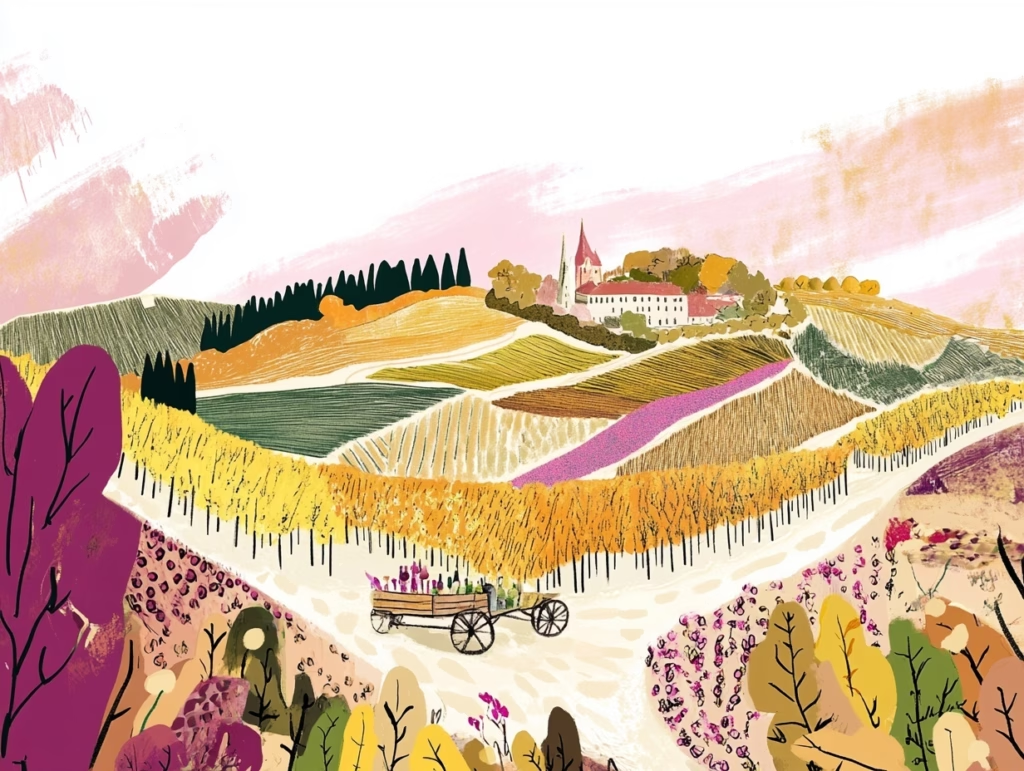
Picture this: You’re about 90 miles northeast of Paris, in a region that’s basically France’s answer to “location, location, location.” The Champagne region sits at the absolute northern limit of where you can ripen grapes in France—any further north and you’d be making very expensive grape juice instead of wine. The Champagne Region by the Numbers:
- Climate: Cool continental with oceanic influences
- Latitude: 49°N (same as London, but protected by geography)
- Annual Temperature: About 50°F average (perfect for slow, cool ripening)
This northern location is actually champagne’s secret weapon. While warm climates create big, bold wines, cool climates preserve the high acidity that makes champagne so refreshing and food-friendly. It’s like the difference between a beach vacation (lovely, but lazy) and a crisp fall day in New York (energizing and sharp). The marginal conditions also mean that only the best sites and most skilled winemakers can consistently produce quality fruit—creating a natural filter for excellence.
The Soil Story: Ancient Seas and Fossilized Dreams
Here’s where things get geologically wild. About 70 million years ago, the Champagne region was underwater—a warm, tropical sea filled with marine life. When that sea receded, it left behind layers of chalk, limestone, and fossilized shells that would eventually become champagne’s foundation.
Chalk: The Underground Hero
- What it is: Soft, white limestone packed with fossilized sea creatures
- Why it matters: Excellent drainage + mineral richness + natural temperature regulation
- The result: Grapes that stay healthy and develop complex mineral flavors
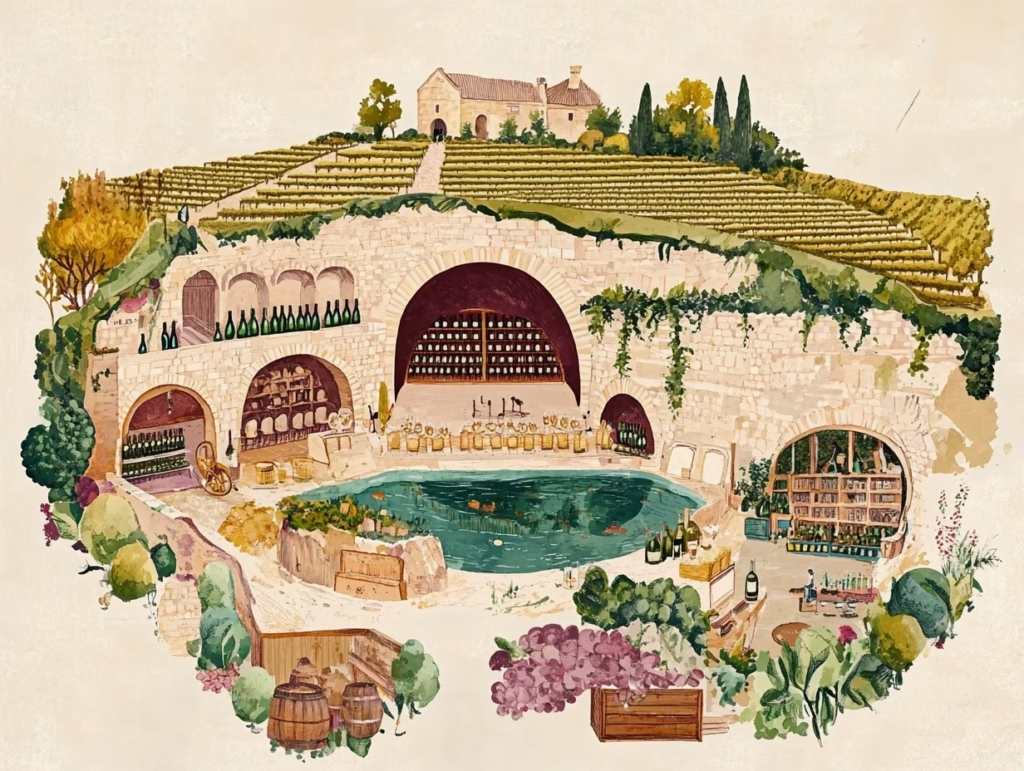
Chalk is basically champagne’s natural air conditioning system. It retains just enough water to keep vines happy during dry spells, but drains excess moisture to prevent root rot. Plus, those chalk cellars carved deep underground maintain perfect temperatures for aging champagne—a constant 50-54°F year-round. The mineral content from all those ancient sea creatures also contributes to champagne’s signature mineral backbone that makes it so food-friendly.
💡 Fun Fact: Some champagne houses age their bottles in cellars that extend 100 feet underground, carved directly into the chalk. Dom Pérignon’s cellars alone stretch for 11 miles!
The three main soil types each contribute their own personality to the final wines, which is why understanding them helps you decode what’s in your glass:
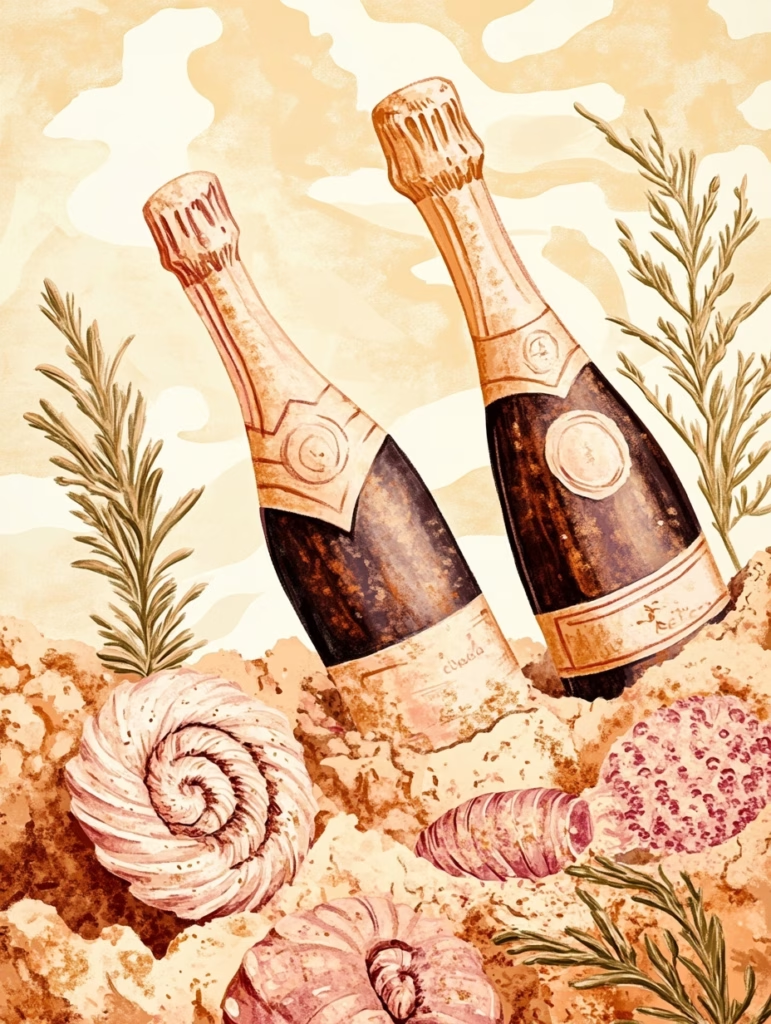
The Three Soil Types That Rule Champagne
Belemnite Chalk (Côte des Blancs):
- Packed with fossilized squid-like creatures called belemnites
- Perfect for Chardonnay
- Creates wines with laser-sharp minerality and aging potential
Micraster Chalk (Montagne de Reims):
- Contains fossilized sea urchins
- Ideal for Pinot Noir
- Produces wines with structure and red fruit character
Sand and Clay over Chalk (Vallée de la Marne):
- Mixed soils with chalk base
- Best for Pinot Meunier
- Results in fruitier, more approachable wines
Climate: The Goldilocks Zone for Grapes
Like baby bear’s porridge, Champagne’s climate is not too hot, not too cold, but just right for creating elegant wines. The key is that it’s what winemakers call “marginal“—meaning it’s right at the edge of what’s possible for grape growing. This creates a natural tension that produces exceptional wines in good years, while the challenging conditions ensure only the most skilled producers consistently succeed.
The Cool Climate Advantage
- Long Growing Season: Grapes ripen slowly, developing complex flavors while retaining bright acidity
- Marginal Conditions: Only the best vineyard sites and skillful winemaking succeed (natural quality filter)
- Vintage Variation: Weather differences create distinct vintage characters
The weather patterns in Champagne are a delicate balance that can make or break a vintage. Unlike more forgiving wine regions where the sun always shines, Champagne’s growers are constantly working with—and sometimes against—the elements. This creates the vintage variation that makes champagne collecting so interesting, and explains why some years produce legendary bottles while others are blended away into non-vintage cuvées.
Weather Patterns That Matter
- Spring Frost: The biggest threat—late frosts can devastate harvests
- Summer Warmth: Enough to ripen grapes, but not so much that they lose acidity
- Autumn Conditions: Dry, cool weather for perfect harvest timing
- Winter Chill: Cold enough for vines to rest properly
The Champagne Weather Paradox: The region’s marginal climate means that in difficult years, only the best sites produce quality fruit. This natural selection process is part of what maintains champagne’s premium reputation.
The Five Sub-Regions: Champagne’s Neighborhood Guide
Think of these as champagne’s different boroughs—each with its own personality, specialty, and contribution to the final blend. Most champagne is actually a blend of grapes from multiple sub-regions, which is how houses maintain consistency year after year. Understanding these areas helps you decode tasting notes and understand why certain champagnes taste the way they do.
1. Montagne de Reims: Pinot Noir Central
- Specialty: Premier and Grand Cru Pinot Noir villages
- Soil: Chalk with forest cover
- Personality: Structured, powerful, age-worthy
- Famous Villages: Bouzy, Ambonnay, Verzenay
- Signature Producers: Krug (Reims), Mumm (Reims), Pol Roger (Épernay), Billecart-Salmon (Mareuil-sur-Aÿ)
The “mountain” (really more of a hill) where Pinot Noir reaches its most elegant expression. The combination of elevation, chalk soils, and forest protection creates Pinot Noir with both power and finesse.
2. Vallée de la Marne: The Fruit Bowl
- Specialty: Pinot Meunier headquarters
- Soil: Clay, sand, and marl over chalk
- Personality: Fruity, approachable, immediately charming
- Famous Villages: Aÿ, Hautvillers
- Signature Producers: Moët & Chandon (Épernay), Dom Pérignon (Hautvillers), Deutz (Aÿ), Gosset (Aÿ)
This valley follows the Marne River and specializes in Pinot Meunier, though some sites (like Aÿ) produce exceptional Pinot Noir. It’s champagne’s most accessible, fruit-forward region.
3. Côte des Blancs: Chardonnay Heaven
- Specialty: Pure Chardonnay perfection
- Soil: Pure belemnite chalk
- Personality: Mineral, elegant, ethereal
- Famous Villages: Cramant, Avize, Le Mesnil-sur-Oger
- Signature Producers: Salon (Le Mesnil-sur-Oger), Pierre Peters (Le Mesnil-sur-Oger), Jacquesson (Dizy), Ruinart (Reims)
The east-facing slopes where Chardonnay achieves its most refined expression. These are the villages that produce the grapes for legendary Blanc de Blancs champagnes.
4. Côte de Sézanne: The Up-and-Comer (Chardonnay Focused)
- Specialty: Chardonnay with a different personality
- Soil: Clay-limestone
- Personality: Rounder, more generous than Côte des Blancs
- Vibe: The cool younger sister finding her own style
- Signature Producers: Mumm (sources here), many grower champagnes, emerging boutique houses
A southern extension of the Côte des Blancs with slightly warmer conditions that produce riper, more generous Chardonnay.
5. The Aube: Champagne’s Southern Outpost
- Specialty: Value-focused production, mostly Pinot Noir
- Soil: Limestone and clay
- Personality: Richer, more powerful, less mineral
- Status: The region that proves champagne doesn’t have to break the bank
- Signature Producers: Drappier (Urville), Devaux (Bar-sur-Seine), many excellent grower champagnes
About 60 miles south of the main region, the Aube produces about 25% of champagne’s grapes, often providing excellent value for money.
The Cru System: Champagne’s Quality Hierarchy
Champagne uses a village-based classification system that’s like a report card for terroir. Unlike Burgundy’s individual vineyard classifications, Champagne rates entire villages based on their overall quality potential. This system was originally created to determine grape prices, but it’s become a useful quality indicator for consumers—though it’s not always prominently displayed on labels.
Grand Cru Villages (100% Rating)
- The A+ Students: 17 villages with perfect growing conditions
- What this means: Top-quality fruit, premium pricing, prestige factor
- Famous Examples: Cramant, Bouzy, Ambonnay, Verzenay
Premier Cru Villages (90-99% Rating)
- The Honor Roll: 42 villages with excellent conditions
- What this means: High-quality fruit, good value for the quality level
- Sweet Spot: Often the best balance of quality and price
Other Villages (80-89% Rating)
- The Solid Performers: Villages that contribute to blends
- What this means: Good quality, more affordable, backbone of non-vintage champagnes
💡 Shopping Tip: Don’t dismiss non-Grand Cru champagnes! Many excellent bottles come from Premier Cru villages or skilled winemakers in lesser-rated areas.
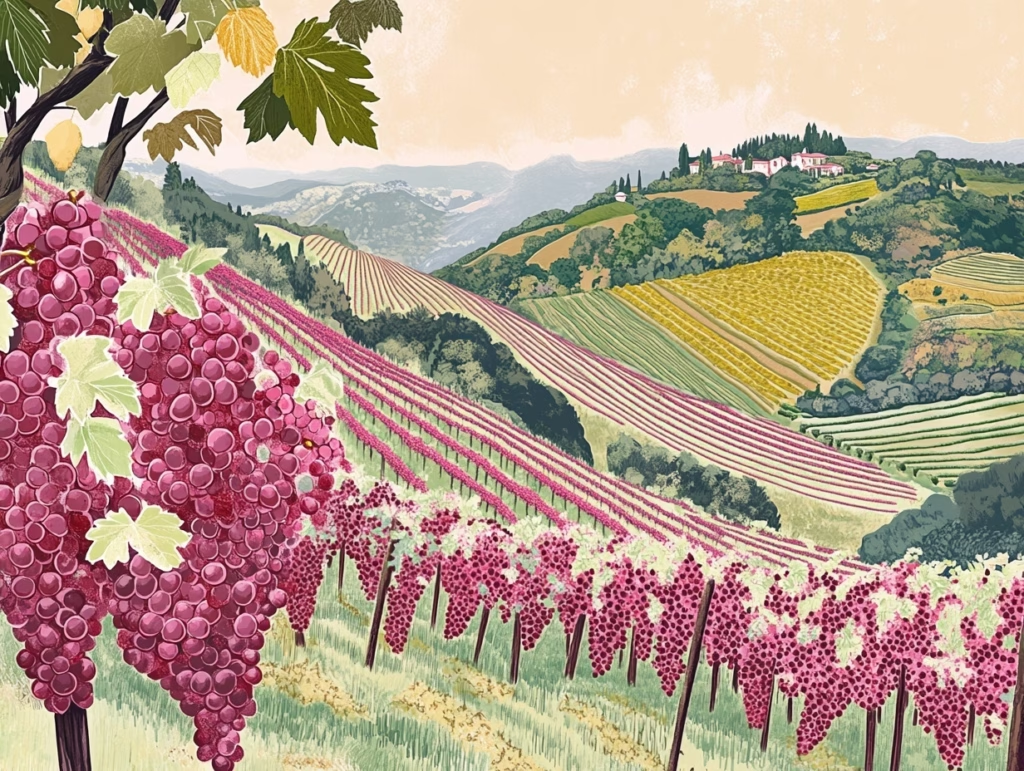
Microclimate Magic: Why Every Vineyard Is Unique
Even within these sub-regions, individual vineyard sites have their own personalities based on micro-details that might seem tiny but make huge differences in the glass. This is where champagne gets really nerdy—and really interesting. A vineyard just a few rows away from another might produce completely different styles of wine based on these factors:
- Aspect (Which Way the Slope Faces): south-facing: Maximum sun exposure, riper fruit; east-facing: Morning sun, elegant, mineral-driven wines; north-facing: cooler conditions, higher acidity, more austere
- Elevation: Higher sites are cooler and windier, creating more structured wines
- Slope Angle: Steeper slopes drain better and get more sun exposure
- Surrounding Landscape: Forests provide wind protection; valleys can create frost pockets
Climate Change: The New Challenge
Champagne is dealing with some changes that are reshaping how the region approaches winemaking. Climate change isn’t just an abstract concept here—it’s showing up in harvest dates, grape ripeness levels, and weather patterns that are forcing both established houses and grower producers to adapt their techniques.
- Rising Temperatures: Earlier harvests, potentially lower acidity
- Weather Extremes: More frequent hailstorms, drought, and flooding
- Adaptation Strategies: New vineyard sites, different pruning techniques, earlier harvesting
The Silver Lining: Some previously marginal sites are now producing excellent fruit, and sparkling wine production is expanding to new regions worldwide (though they can’t call it champagne).
Why Terroir Matters for Your Wallet and Your Glass
Understanding champagne’s terroir helps you:
- Shop Smarter: Know why Grand Cru costs more (and whether it’s worth it for your occasion)
- Taste Better: Recognize the minerality that comes from chalk soils or the elegance of cool-climate grapes
- Appreciate Craft: Understand the centuries of knowledge and perfect natural conditions in every bottle
- Find Value: Discover excellent champagnes from lesser-known villages or newer regions
The Bottom Line: Terroir Is Champagne’s Unfair Advantage
The Champagne region is essentially a perfect storm of geological gifts that took millions of years to assemble. Ancient seas deposited the chalk, ice ages carved the landscape, and centuries of human knowledge learned to work with these natural advantages.
This is why champagne costs more than other sparkling wines—you’re not just paying for bubbles, you’re paying for a specific place on Earth that can’t be replicated anywhere else. It’s like trying to recreate the magic of a perfect sunset; you can get close, but the original is always special.
Coming Up in Part 4: House styles vs. grower champagnes—because now that you know where champagne comes from, let’s talk about who’s making it and how to choose the perfect bottle for you.
Because understanding terroir isn’t just wine snobbery—it’s appreciating the millions of years of natural history in every glass.