Mosel Riesling Guide: Germany’s Steep Slopes & Slate Soils Explained
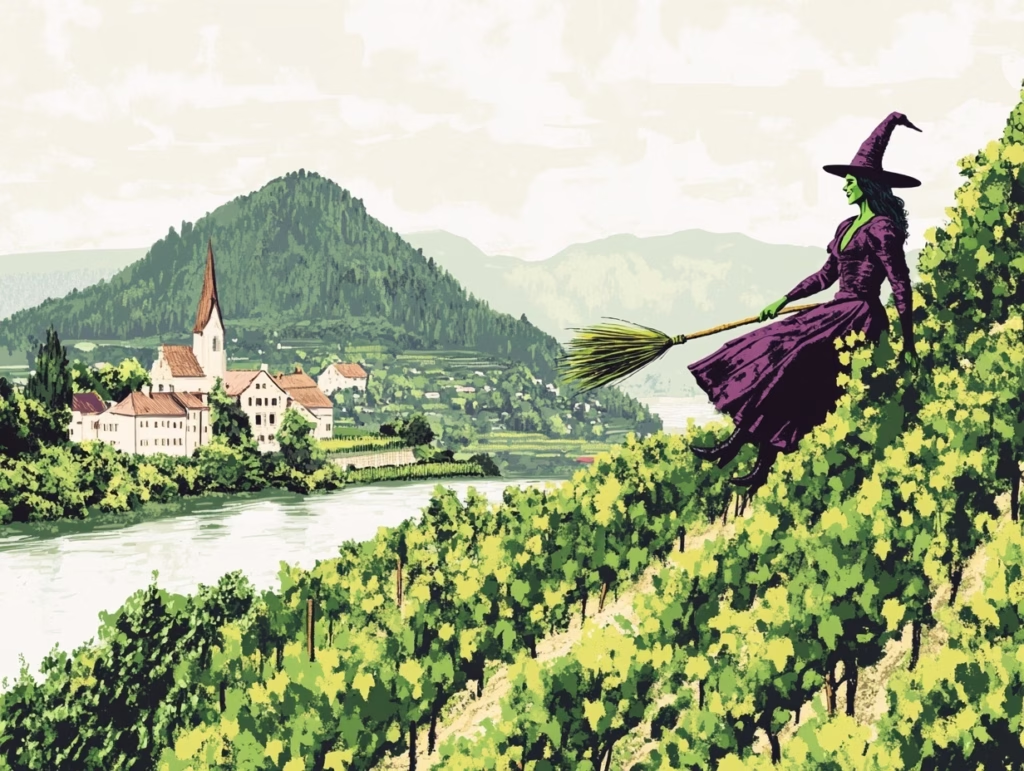
There are wine regions that impress you with power, and there are wine regions that seduce you with poetry. The Mosel does the latter—and then some. Nestled into Germany’s western corner near the Luxembourg border, the Mosel Valley is a place where vines cling to vertiginous slopes, Riesling reigns supreme, and every bottle seems to capture sunlight in liquid form. It’s delicate but never dull. Romantic, but precise.
If your taste in wine runs toward the racy, the crystalline, and the aromatic, buckle up. We’re heading into Riesling country—and trust me, it’s time to defy gravity, as well as everything you thought you knew about this grape.
Mosel Valley Geography: Steep Slopes That Defy Logic and Gravity
The Mosel River snakes through a series of tight S-curves between Trier and Koblenz, carving out narrow valleys flanked by slate-strewn hillsides. This is the part of Germany that looks like a watercolor come to life—half fairy tale, half alpine daredevil course. Some of the vineyards are so steep they require winches or rappelling harnesses to harvest. Others are accessible only by footpaths etched into the rock.
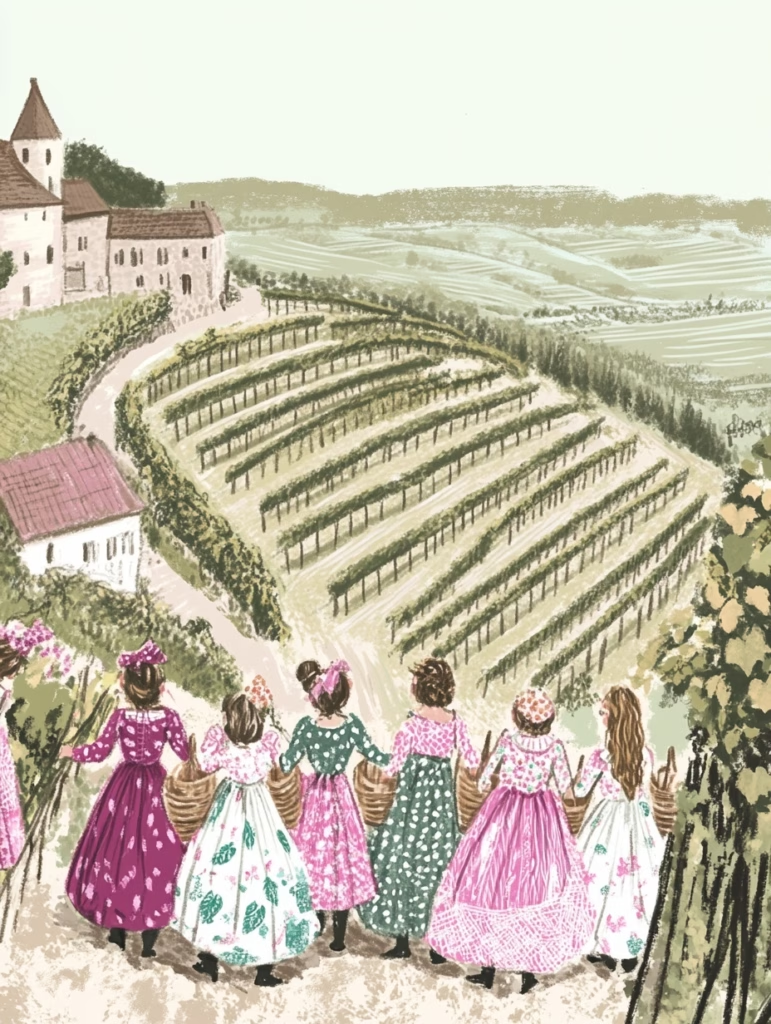
This steepness isn’t just for drama—it’s a critical factor in the wine. The angle helps the vines absorb maximum sunlight in this cool-climate region, while the river reflects extra light onto the grapes. It also means there’s incredible variation even within a single slope, depending on exposure, elevation, and, perhaps most famously, slate.
Geographic reality check:
- 150 miles of winding river valley from French border to the Rhine
- Vineyard slopes reaching up to 70 degrees (steeper than most ski runs)
- Hand-harvesting only because tractors can’t navigate the slopes
- River reflection amplifies sunlight exposure in Germany’s short growing season
The Climate That Makes Magic Possible
Picture this: cool continental climate with Atlantic influences, creating those long, gentle growing seasons that preserve the crisp acidity Mosel Riesling is famous for. We’re talking about dramatic day-night temperature swings (remember: diurnal range), which contribute to complex aromatics in Mosel wines, plus that river reflection creating its own microclimate system.
The result? Wines that taste like they’re channeling their steep, slippery terrain—minerally, precise, and somehow both powerful and weightless at the same time.
Slate It Ain’t So: The Geological Secret Behind Mosel Riesling
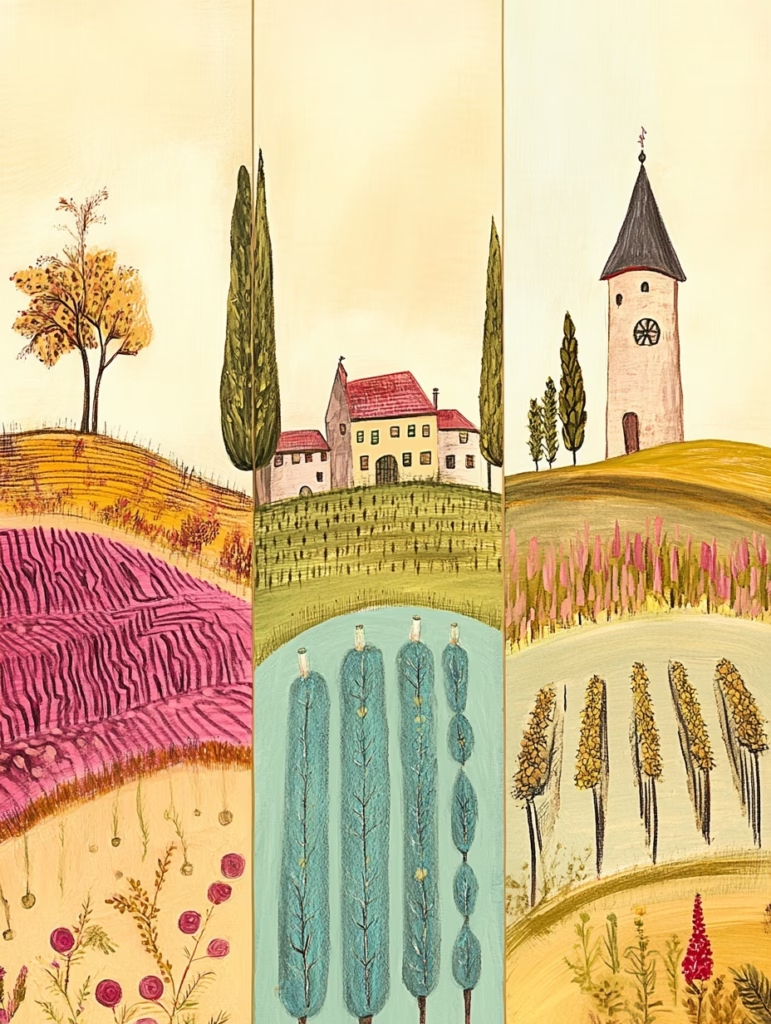
The Mosel’s soil is practically a geological tasting menu, but it’s the slate that really sings. And it’s not all one-note. Each hue adds its own flair:
- Blue slate (common in vineyards like Wehlener Sonnenuhr) gives Rieslings a nervy, high-wire edge—like biting into a green apple. Linear, focused, and humming with cool-toned energy.
- Gray slate softens the lines a little—think jasmine, river rocks, and a whisper of wild herbs. The wines are refined and filigreed, like a vintage lace dress you didn’t expect to fall in love with.
- Red slate, on the other hand, turns up the heat. Found in places like Ürzig, it traps warmth and imparts spice, exotic fruit, and a broader texture. Less porcelain, more velvet.
Tromp around the Mosel’s steep slopes and you can literally see where one kind of slate ends and the next begins…and then taste the stark difference it can make in wines subject to otherwise similar conditions.
Why Slate Soils Are Wine’s Secret Weapon
These dark, heat-absorbing rocks create a microclimate that’s basically a spa day for grapes:
- Heat retention: Slate soils soak up sunlight during the day and radiate warmth at night
- Perfect drainage: Prevents root rot while maintaining necessary moisture
- Minerality: That distinctive “wet stone” character that makes Mosel Rieslings taste like liquid terroir
You can taste the difference in the glass, but what struck me most when I visited was how clearly you could see it underfoot. I had the chance to hike through several vineyards primarily owned by Dr. Loosen with a girlfriend who’s based in Berlin.
Let me tell you: I’ve done my share of espadrille-and-sundress winery visits in California and Virginia, but Mosel was not that vibe. We came dressed in sneakers and athletic gear and still found ourselves clinging to vines for balance. We were slipping, giggling, and getting passed by vineyard workers with the kind of effortless grace that only comes from doing this every day. Machinery? Forget it. These hills are worked almost entirely by hand—and often by heart.
Across the valley, just visible through the morning mist, was Selbach-Oster—another historic estate, practically waving at us from across the slate divide. It was like watching rival ballerinas rehearse on either side of a canyon: different steps, same grace.
Riesling Rules Everything: The Grape That Defies Expectations
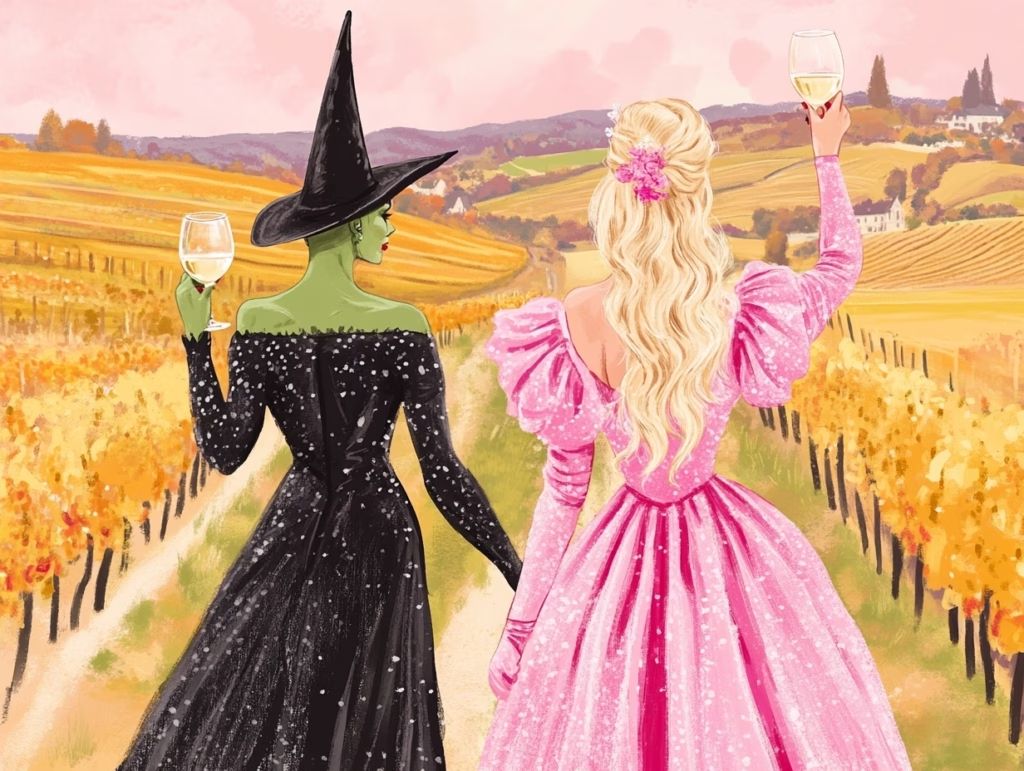
Let’s clear one thing up: if “Riesling” still brings to mind syrupy sweetness from a cousin’s wedding, you’re about to be re-educated. In the Mosel, Riesling is razor-sharp and emotionally complex. It’s the Elphaba of grapes—misunderstood, wildly talented, and destined for greatness.
Riesling is hands-down one of the most versatile grape varieties on the planet, and nowhere does it shine brighter than in the Mosel.
The Riesling Personality Profile
Aromatic intensity that’s basically wine perfume:
- Primary aromas: Lime, green apple, white peach, apricot
- Secondary notes: White flowers, honey, sometimes diesel (in the best way)
- Tertiary development: Petrol, toast, nuts, and honeyed complexity with age
Flavor spectrum that never gets boring:
- Bone-dry styles: Crisp green apple, citrus zest, and mineral precision
- Off-dry versions: Stone fruits with a touch of sweetness and balancing acidity
- Sweet expressions: Honeyed apricot and tropical fruits without being cloying
The best Mosel Rieslings are all about balance. Even the sweeter styles are buoyed by bright acidity, while the dry ones (often labeled “Trocken”) show off minerality, structure, and sometimes a whisper of smoke.
The Mosel Style Spectrum: From Kabinett to Auslese
Common styles you’ll encounter, each defying gravity in its own way:
- Kabinett – Light and off-dry, with orchard fruit and spring blossom energy. Think of it as Riesling’s “I woke up like this” moment.
- Spätlese – Late-harvest, a bit more lush, often with stone fruit and a silky feel. This is where things get interesting.
- Auslese – Richer, often dessert-level intensity, but still clean and lifted. Like finding out your chill friend is actually a secret genius.
- Trocken – Dry, mineral, and serious, often labeled with vineyard names. The wine equivalent of that friend who’s effortlessly sophisticated.
🤓 Pro tip: If you’re unsure about sweetness level, peek at the ABV. Under 10% usually means sweetness; over 11% often signals dry.
Decoding German Wine Labels: Your Survival Guide
German wine labels can look like they require a PhD in linguistics, but once you crack the code, they’re actually incredibly informative. Think of them as wine’s version of detailed instructions—packed with useful info once you know how to read them.
The Essential Elements
- Producer Name: Usually the largest text on the label (e.g., “Dr. Loosen”)
- Region Information: Look for Mosel (the main region), the village name ending in “-er” (like “Bernkasteler” = from Bernkastel), vineyard name (like “Wehlener Sonnenuhr”)
- Quality Level Classifications such a gutswein: Entry-level, regional blend, ortswein: Village-level wine, lagenwein: Single-vineyard wine (the good stuff)
- Prädikatswein Classifications (concentration levels): kabinett (light, delicate, often dry or off-dry); spätlese (late harvest, more concentrated); auslese (select harvest, rich and concentrated); beerenauslese (berry select, dessert wine territory); trockenbeerenauslese (intensely sweet, rare)
- Sweetness Indicators: trocken (dry); halbtrocken (off-dry), no designation (could be anything—check the alcohol level)
Pro Label-Reading Tips
- Look for alcohol content: 12%+ usually indicates a drier style, while 8-11% often suggests some residual sweetness.
- Check for estate bottling: “Erzeugerabfüllung” means estate-bottled—usually a quality indicator.
- Vintage matters: Mosel Rieslings from warmer years (like 2018, 2020) tend to be riper and more concentrated.
Mosel Wine Villages & Famous Vineyards to Know
The Mosel isn’t dominated by mega-producers or sprawling estates. Instead, it’s stitched together by tiny river villages—Bernkastel-Kues, Graach, Piesport, Ürzig—each with its own specialty, each a chapter in the story. Many bottles proudly name the vineyard and the village right on the label, a tradition that rewards those who love to collect, compare, and taste their way through the river’s greatest hits.
Some vineyards to watch:
- Wehlener Sonnenuhr – Sun-drenched, precise, and ageless. The sundial vineyard that literally tracks time with shadows.
- Ürziger Würzgarten – Spicy, sultry, and steeped in character. The “spice garden” that lives up to its name.
- Piesporter Goldtröpfchen – Golden, floral, and ever so slightly hedonistic. “Golden droplets” that sparkle in your glass.
- Bernkasteler Doctor – One of Germany’s most famous and expensive vineyard sites, producing wines of legendary concentration and longevity.
💡 Fun Fact: Those famous vineyard names aren’t just on wine labels—they’re literally painted in giant white letters on the hillsides themselves! As you cruise down the Mosel River (or drive the winding valley roads), you’ll spot “WEHLENER SONNENUHR” or “BERNKASTELER DOCTOR” spelled out in massive lettering across the slate slopes. It’s like the wine world’s version of the Hollywood sign, except there are dozens of them, and they’ve been there for over a century. Originally painted to help boat captains and merchants identify premium vineyard sites from the river, these hillside billboards now serve as Instagram gold for wine tourists—and a constant reminder that you’re in the land where geography literally writes itself across the landscape.
Climate Change Impact on Mosel Dry Riesling Production
Historically, sweet styles were the safest bet in Mosel’s cool climate. But thanks to climate change, dry Rieslings have found new footing—literally. Warmer temperatures mean riper grapes and expanded stylistic possibilities, which some producers are using to craft jaw-dropping Trockens with the same verve as a Puligny or Chablis.
Of course, this comes with challenges: erratic frost, hail, and increasingly unpredictable weather. The best growers are responding with everything from regenerative agriculture to canopy management—but the stakes are high, and the balance is delicate.
What this means for your glass:
- More dry Riesling options than ever before
- Enhanced complexity and aging potential
- Wines that challenge preconceptions about German wine
- Perfect timing to explore this evolving region
Best Mosel Riesling Producers: Dr. Loosen, J.J. Prüm & More
Want a front-row seat to Mosel magic? Start here:
Dr. Loosen: The Modern Master
Dr. Ernst Loosen took over his family’s estate in 1988 and immediately became the cool professor everyone wants to take a class with. He’s globally recognized and wonderfully expressive, creating wines that feel both timeless and contemporary.
Estate highlights:
- Erdener Prälat and Ürziger Würzgarten: World-class vineyard sites
- Dr. L Riesling: Entry-level wine that over-delivers for the price
- Innovation within tradition: Modern techniques serving classic expressions
Selbach-Oster: Elegant and Terroir-Driven
This family estate embodies everything beautiful about Mosel winemaking—just as mesmerizing across the valley as they appeared through that morning mist.
What sets them apart:
- Zeltinger Sonnenuhr and Zeltinger Himmelreich: Premium vineyard holdings
- Balance masters: Wines that perfectly marry fruit, acidity, and minerality
- Family involvement: Hands-on approach in every aspect of production
J.J. Prüm: Iconic and Hauntingly Age-Worthy
If Mosel Riesling had a royal family, JJ Prüm would be wearing the crown. This legendary estate is iconic, restrained, and their wines are basically liquid time capsules of elegance.
The Prüm mystique:
- Wehlener Sonnenuhr vineyard: One of Germany’s most famous sites
- Traditional winemaking: Minimal intervention, maximum terroir expression
- Legendary aging potential: Their wines develop incredible complexity over decades
Clemens Busch: Biodynamic and Complex
Biodynamic pioneer creating some of the most pure, terroir-driven wines in the region—complex and never boring. The Clemens Busch Mosel Riesling Trocken showcases their biodynamic approach with intense minerality and complex slate-driven character that defines their house style.
Other estates worth seeking:
Mosel Riesling Food Pairings: What to Eat with German Wine
Riesling is the rare grape that hits “no notes off-limits” mode when it comes to food. Its high acidity, aromatic lift, and (sometimes) kiss of sweetness make it incredibly adaptable. Basically, it pairs with more than just your palate—it pairs with your mood.
Perfect Riesling pairings that defy conventional wisdom:
- Spicy dishes: Thai curry, Sichuan cuisine, anything with heat
- Rich proteins: Duck with plum glaze, pork schnitzel with mustard
- Seafood: Smoked trout, scallops, anything from the ocean
- Cheese: Fresh goat cheese, aged Gruyère, creamy Brie
- Unexpected matches: Sushi, Korean BBQ, even pizza
The versatility is what makes Mosel Riesling perfect for your wine fridge—it’s the friend who gets along with everyone at the party.
Why Mosel Should Be Your Next Wine Adventure
Price points that won’t break the bank:
- Entry-level Mosel wines: $15-35
- Premium single-vineyard bottles: $35-65
- Special reserve/limited releases: $65+
What makes it worth exploring:
- Elegance over power: These wines impress with subtlety and nuance
- Food pairing superpowers: From spicy takeout to Sunday brunch
- Age-worthiness: Quality Mosel Rieslings evolve beautifully for decades
- Value proposition: Exceptional bottles for under $30—try getting that from Burgundy
Final Sip: For Those Who’ve Always Felt a Bit… Different
Mosel isn’t the loudest region. It’s not Napa bold or Champagne flashy. But that’s exactly what makes it unforgettable. It’s for the ones who don’t want to blend in. The ones who’ve been told to come down to earth—but prefer the view from the top of the hill.
It’s wine that whispers, then wows. Wine that doesn’t need to explain itself. Wine that rises—steeply, stubbornly, beautifully.
So go ahead. Take the path less paved. Pack your sneakers. And get ready to sip something that reminds you what it feels like to fly.
Because in the Mosel, what’s bottled isn’t just Riesling.
It’s gravity, defied.