Nebbiolo: The Italian Powerhouse With the Best of Everything
Part 1 of our Piedmont’s Leading Ladies series
In Piedmont, some vineyards are just better than others—and everyone knows which grape gets first dibs on the prime real estate. While her younger sisters Barbera and Dolcetto make do with whatever slopes are left over, Nebbiolo claims the best hillsides, the perfect sun exposure, and the most prestigious postcodes in all of northwestern Italy.
This isn’t favoritism—it’s recognition of greatness. Nebbiolo is the grape behind Barolo and Barbaresco, Piedmont’s crown jewels, the wines that put this region on the international map and keep it there. When wine critics talk about “the greatest wines of Italy,” they’re almost all talking about Nebbiolo. When collectors build cellars of age-worthy treasures, Nebbiolo usually anchors the collection. This grape doesn’t just represent Piedmont—she IS Piedmont.
The numbers don’t lie: Nebbiolo commands prices that dwarf nearly every other Italian grape, occupies the steepest, most coveted vineyard sites, and draws wine pilgrims from around the globe. In a region full of exceptional wines, Nebbiolo reigns supreme—and she’s earned every bit of that throne.
Meet Zia Nebbiolo: The Firstborn Powerhouse
If you’ve ever met that aunt who walks into a room and somehow everyone else gets a little quieter, a little more attentive, then you understand Nebbiolo’s energy. She’s the firstborn, the one who set the standard for everyone who came after, and she’s never let anyone forget it.
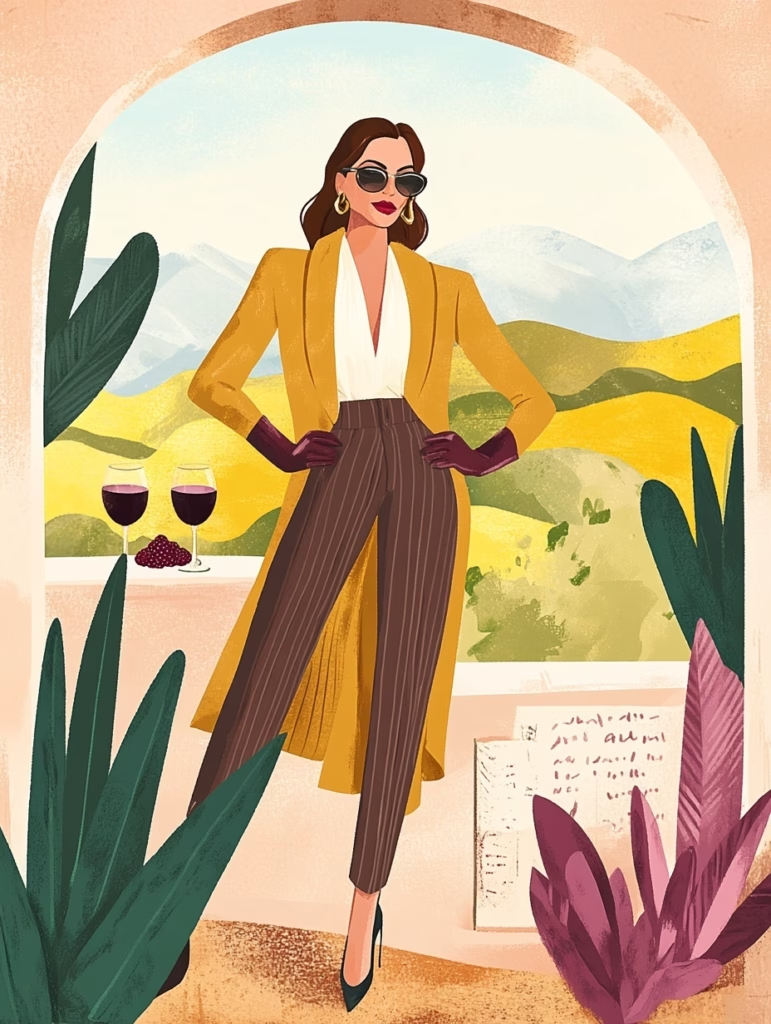
Nebbiolo is pure Max Mara elegance—impeccably tailored, deceptively powerful, and expensive in a way that whispers rather than shouts. She keeps handwritten recipes in perfect cursive (naturally), insists on proper etiquette at the table, and does not suffer fools—or flabby tannins. Everything about her is deliberate, from her vintage leather gloves to her very signature scent that somehow manages to be both understated and completely unforgettable.
She’s pale in color but punches well above her weight with soaring acidity and firm structure that can age for decades. Like any true powerhouse, she demands patience—you can’t rush Nebbiolo, and honestly, why would you want to? When she’s ready, she’s absolutely transcendent. Think truffle risotto served on bone china, Italian leather that gets better with age, and the kind of sophistication that can’t be bought, only earned through decades of getting everything exactly right.
This is the aunt who taught the whole family what excellence looks like, and generations later, she’s still flawless and everyone’s still trying to measure up.
Understanding Nebbiolo: The Grape Behind the Legend
Nebbiolo might be the most deceptive grape in the wine world. She looks delicate—pale ruby, almost translucent in the glass—but don’t let that fool you. This is the wine equivalent of that friend who looks like they’d blow away in a strong wind but could deadlift twice their body weight.
How to Spot Nebbiolo in a Blind Tasting
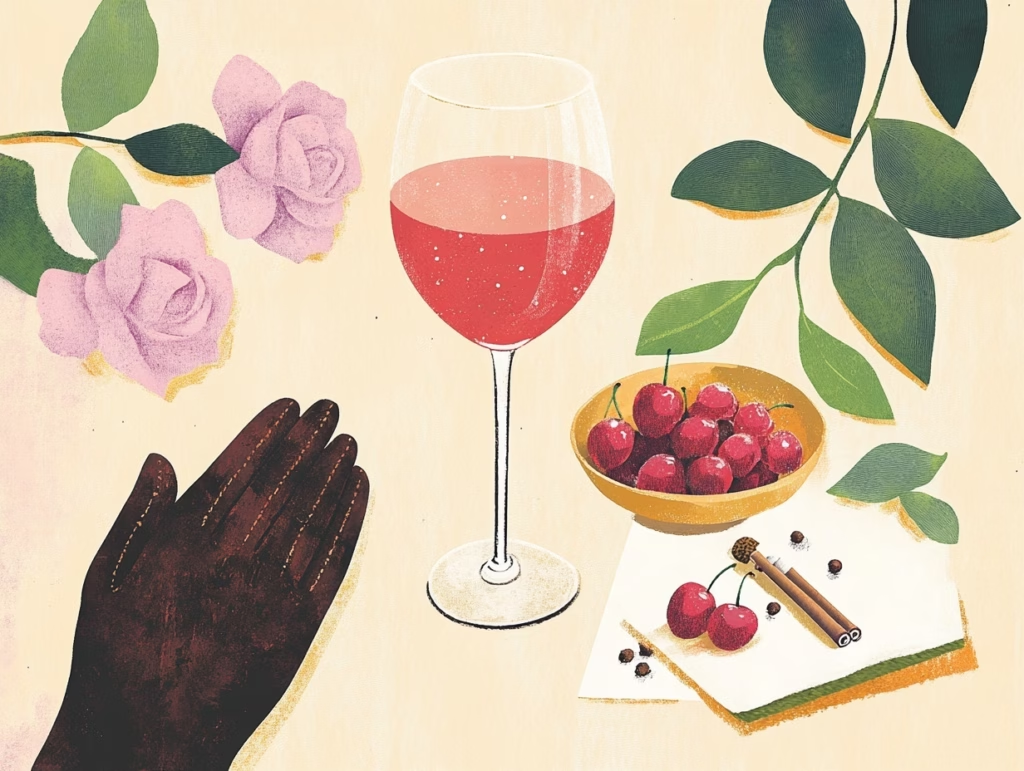
Color: Surprisingly light for such a powerful wine—think garnet or brick red, never the deep purple you might expect. Nebbiolo has always been more about substance than flashy appearances.
Aromatics: This is where she shows off her sophistication:
- Rose petals and violets (because elegance never goes out of style)
- Tar and leather (the backbone that separates her from prettier but less substantial wines)
- Cherry and strawberry (but dried, concentrated versions with serious depth)
- Earthy complexity like truffle, tobacco, and forest floor
- Spice notes including anise, cinnamon, and white pepper
Palate: High acidity that makes your mouth water, firm tannins that coat your teeth, and flavors that seem to evolve with every sip. Young Nebbiolo can be almost intimidating—like Nebbiolo before her morning espresso. But give her time, and she becomes graceful, complex, and absolutely mesmerizing.
Texture: Full-bodied but never heavy, with that characteristic grip that lets you know you’re drinking something serious. This isn’t a wine you gulp—it’s a wine you contemplate.
How Nebbiolo Grows: The Diva of Grapes
Nebbiolo is notoriously particular about where she’ll perform. She needs south-facing slopes for maximum sun exposure, excellent drainage, and the kind of attention usually reserved for actual royalty. She buds early (making her vulnerable to spring frost) and ripens late (often not harvested until late October), extending the growing season and building complexity.
In Piedmont’s best sites, she’s planted on steep hillsides with calcareous marl soils that provide the drainage she demands while retaining just enough moisture to sustain her through the long growing season. These aren’t easy vineyards to work—many require hand harvesting on slopes so steep that tractors can’t navigate them.
How Nebbiolo Is Made: Traditional Craft Meets Modern Precision
Traditional Nebbiolo production is like watching Nebbiolo prepare her famous brasato—every step is deliberate, timing is everything, and shortcuts are absolutely forbidden.
Key production elements:
- Extended maceration: Sometimes lasting weeks to extract color, tannin, and complexity from those pale skins
- Long aging: Premium Nebbiolo wines age for years before release
- Large cask aging: Traditional producers use large Slavonian oak botti that soften tannins without adding excessive oak flavors
- Minimal intervention: The best producers let the vineyard speak rather than masking Nebbiolo’s character
Nebbiolo’s Different Expressions: The Family Hierarchy
Like any sophisticated family, Nebbiolo has different expressions depending on where she’s grown and how she’s presented. Think of these as Nebbiolo’s different outfits—from her most formal regalia to her approachable everyday elegance.
Barolo: The full evening gown—her most prestigious, powerful expression. Made exclusively from Nebbiolo in 11 communes around Alba, this is Nebbiolo at her most commanding. Minimum 38 months aging, built for decades in the cellar. The formal introduction you save for special occasions.
Barbaresco: The elegant cocktail dress—refined, graceful, and slightly more approachable than Barolo. Also 100% Nebbiolo, but from a smaller zone with different soils and climate. Generally softer and earlier-drinking than Barolo. The sophisticated dinner party choice.
Langhe Nebbiolo: The chic day-to-evening ensemble—same grape, more accessible presentation. Often made from younger vines or fruit that doesn’t qualify for Barolo/Barbaresco designations. Shorter aging requirements make these wines approachable sooner. Your entry point to understanding Nebbiolo’s character.
All three showcase Nebbiolo’s signature rose-petal-and-tar personality, but with varying levels of intensity and aging potential. It’s like getting to know the same person in different contexts—the core personality remains, but the presentation adapts to the occasion.
Nebbiolo’s Signature Dishes: Food Pairing Like Royalty
Nebbiolo doesn’t do casual Tuesday dinners. When she’s at the table, the meal becomes an event. Her rich, complex personality demands food that can stand up to her intensity while complementing her sophisticated nature.
Her Perfect Matches:
- Brasato al Nebbiolo: Beef braised in Nebbiolo wine—because obviously she’d insist on being the star ingredient. The wine’s acidity cuts through the rich meat while its tannins complement the hearty flavors.
- Truffle risotto: Earthy, luxurious, and worth every euro. The creamy texture mellows her tannins while the truffles echo her own earthy complexity.
- Aged Parmigiano-Reggiano: The kind that costs more per pound than most people’s grocery budget. The cheese’s nutty, crystalline texture pairs beautifully with her structure.
- Wild game: Venison, wild boar, duck—anything that requires skill to prepare properly. The rich, gamey flavors can stand up to her power.
- Osso buco: Slow-braised veal shanks that match her patience and complexity.
What NOT to serve Nebbiolo:
- Light fish or delicate preparations that would be overwhelmed
- Spicy dishes that would compete with her nuanced aromatics
- Casual weeknight pasta (save that for Barbera)
- Anything that doesn’t deserve her full attention
Old School vs. New School: Traditional and Modern Nebbiolo Styles
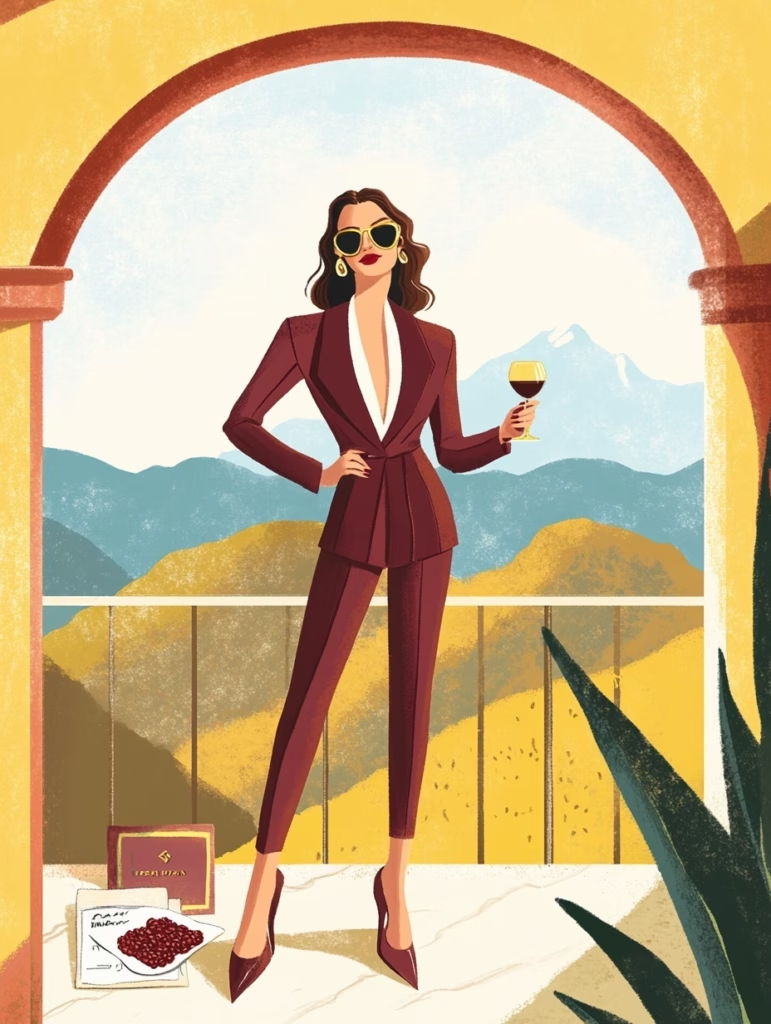
Just like every Italian family has passionate opinions about the “right” way to make ragu, Nebbiolo has its traditional vs. modern camps. Both produce exceptional wines—it’s just a matter of whether you prefer Nebbiolo in her full formal regalia or her slightly more approachable (but still elegant) contemporary style.
Traditional Style Nebbiolo
Think of this as Nebbiolo in her vintage Valentino—timeless, uncompromising, and absolutely magnificent when she’s ready.
Characteristics:
- Long fermentation periods (sometimes 30+ days)
- Aging in large, old wooden casks (botti)
- Wines that need years, sometimes decades, to become approachable
- Ethereal, complex aromatics with pronounced earth and tar notes
- Maximum expression of terroir with minimal winemaker intervention
Modern Style Nebbiolo
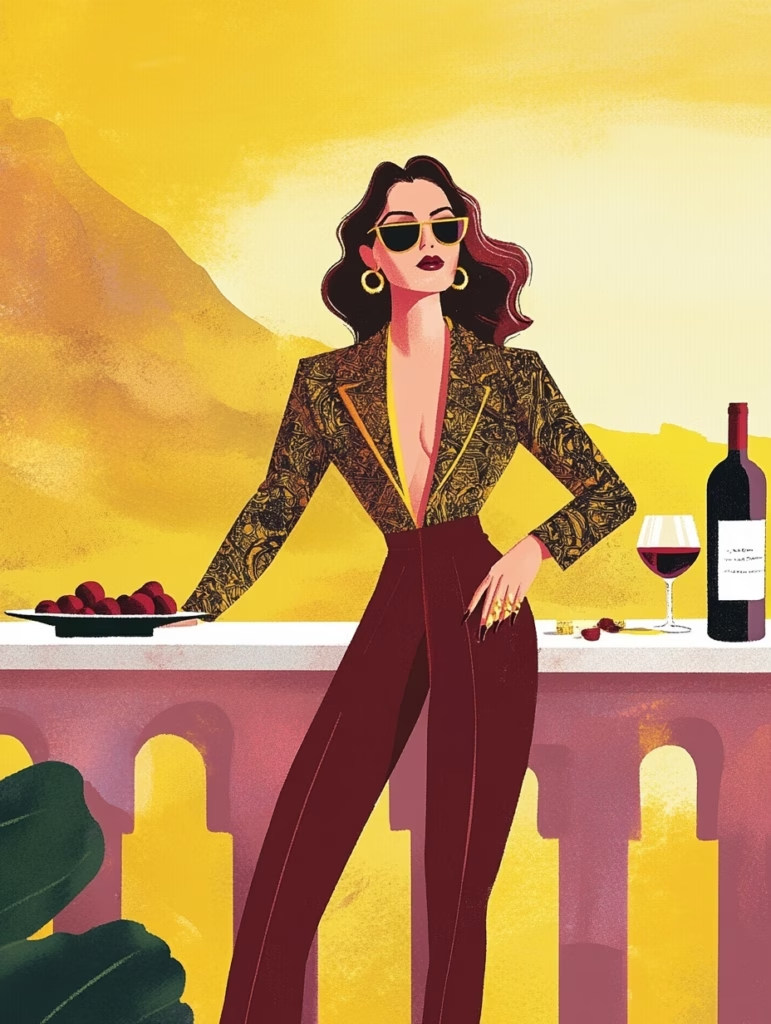
This is Nebbiolo in her contemporary Versace—still sophisticated, but with a bolder, more immediate appeal that doesn’t require decades to appreciate.
Characteristics:
- Shorter fermentation periods with temperature control
- Aging in smaller French oak barrels (often new)
- More approachable when young, but still age-worthy
- Fruit-forward with softer tannins
- Polished, international style that appeals to broader palates
Producer Spotlight: Three Approaches to Excellence
Vietti (Modern Traditional): Fourth-generation Vietti has long bridged Barolo tradition with a forward-looking sensibility, crafting Nebbiolo wines of both structure and grace. The 2020 Barbaresco Roncaglie channels that duality beautifully—rose, cherry, and redcurrant aromas meet mint, spice, and crushed rock. Firm yet polished tannins frame a wine that’s classically austere in youth, promising remarkable depth and elegance for those willing to cellar it.
- Try it: Vietti Barbaresco Roncaglie 2020 ($150)
G.D. Vajra (Biodynamic Pioneer): This progressive producer blends time-honored winemaking techniques with a deep commitment to biodynamic viticulture, crafting wines that speak eloquently of place. Their Barolo Albe captures pure, transparent Nebbiolo character with remarkable precision—fragrant with rose, violet, and red cherry, underpinned by mineral notes and subtle spice. Elegant and vibrant, it offers a harmonious balance of fruit, acidity, and fine tannins, delivering an absolutely stunning expression of the Barolo terroir.
- Try it: G.D. Vajra Barolo Albe 2021 ($40)
Marchesi di Barolo (Historic Traditionalist): One of Barolo’s oldest producers (founded 1807), they maintain classical methods while embracing quality improvements. Their basic Barolo delivers textbook Nebbiolo character—tar, roses, and firm structure that rewards patience. Available on Wine.com around $45-55.
- Try it: Marchesi di Barolo Barolo Tradizione 2019 ($55)
Shopping for Nebbiolo: Your Guide to Labels and Regions
Understanding Nebbiolo Labels
- DOCG Designations: Look for “Barolo DOCG,” “Barbaresco DOCG,” or “Roero DOCG” for the most prestigious expressions, or “Langhe Nebbiolo DOC” for more approachable options.
- Vintage Matters: Nebbiolo is always vintage-dated. Great recent years include 2016, 2017, and 2019.
- Village wines (like “Barolo” or “Barbaresco”) blend fruit from multiple sites within a commune
- Single vineyard wines (like “Barolo Brunate”) showcase specific cru sites and command premium prices
Key Regions and Their Personalities
Barolo Zone:
- Serralunga d’Alba: The most structured, tannic expressions—built for long aging
- Monforte d’Alba: Powerful, mineral-driven wines with excellent aging potential
- Castiglione Falletto: Elegant, perfumed wines that balance power with finesse
- La Morra: More approachable, floral wines with softer tannins
Barbaresco Zone:
- Generally softer and more immediately accessible than Barolo
- Known for elegance and finesse rather than raw power
Respected Producers to Seek Out
- Traditional Masters: Bartolo Mascarello, Giuseppe Rinaldi, Giacomo Conterno
- Modern Pioneers: Elio Altare, Paolo Scavino, Roberto Voerzio
- Quality Value: Produttori del Barbaresco, Michele Chiarlo, Fontanafredda
Price Ranges and What to Expect
- Langhe Nebbiolo ($25-40): Your entry point to understanding the grape
- Entry-Level Barolo/Barbaresco ($40-70): Village-level wines from respected producers
- Single Vineyard ($70-150): Cru-designated wines showcasing specific terroir
- Prestige Bottlings ($150+): Reserve wines from top producers and legendary vintages
The Bottom Line: Why Nebbiolo Rules the Family
Nebbiolo represents everything we love about wine at its most noble—history, complexity, and the magic that happens when perfect terroir meets centuries of winemaking wisdom. Yes, she’s expensive. Yes, she’s demanding. But like any true powerhouse, she delivers on every promise and then some.
Nebbiolo taught Piedmont how to dream big, command respect, and never settle for anything less than excellence. She’s proof that sometimes the most intimidating person in the room is also the most worth getting to know.