Pop, Fizz, History: How Champagne Became the Ultimate Celebration Drink
Discover how champagne became the ultimate celebration drink. From Dom Pérignon's accidental bubbles to Veuve Clicquot's marketing genius - the fascinating history behind every pop and fizz.
Part 1 of our 4-part Champagne series
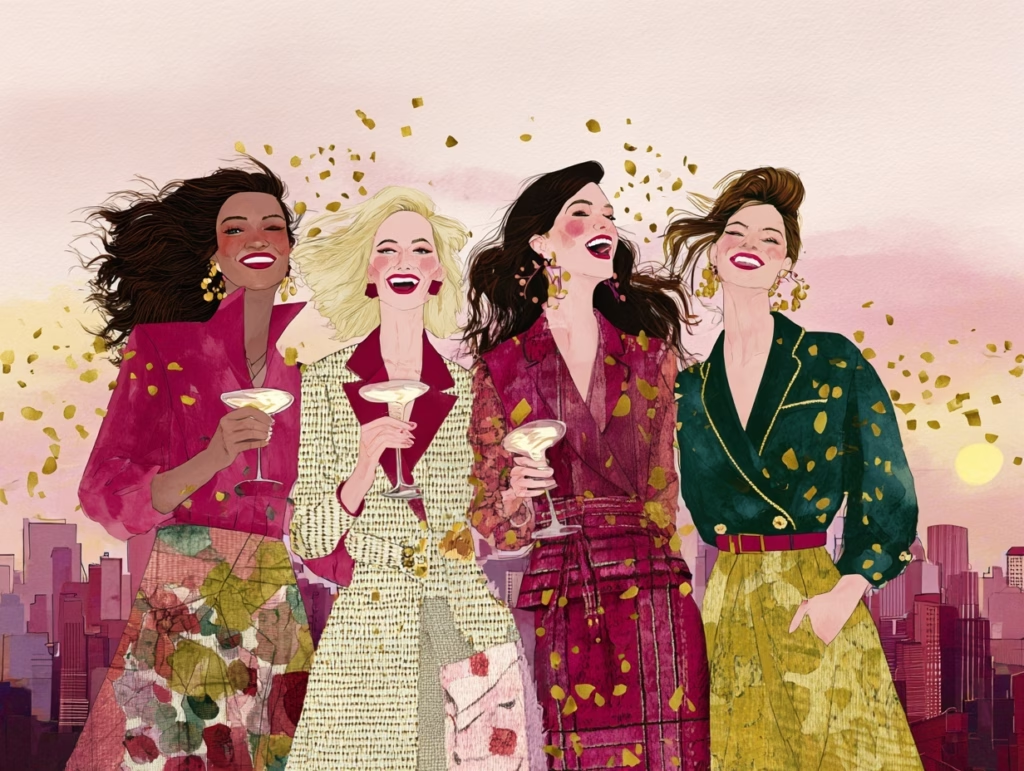
Picture this: You just landed your dream job, your bestie got engaged, or it’s finally Friday after the week from hell. What’s the first thing that comes to mind? That’s right—if you’re anything like me, it’s popping champagne! But have you ever wondered how this sparkling wine from a tiny region in northern France became the universal symbol of “we did it, babe”?
Spoiler alert: it wasn’t always bubbles and celebration. In fact, champagne’s journey to becoming the ultimate party drink comes complete with happy accidents, royal drama, and some seriously savvy marketing that would make any influencer jealous.
The Accidental Icon: How Champagne Got Its Sparkle
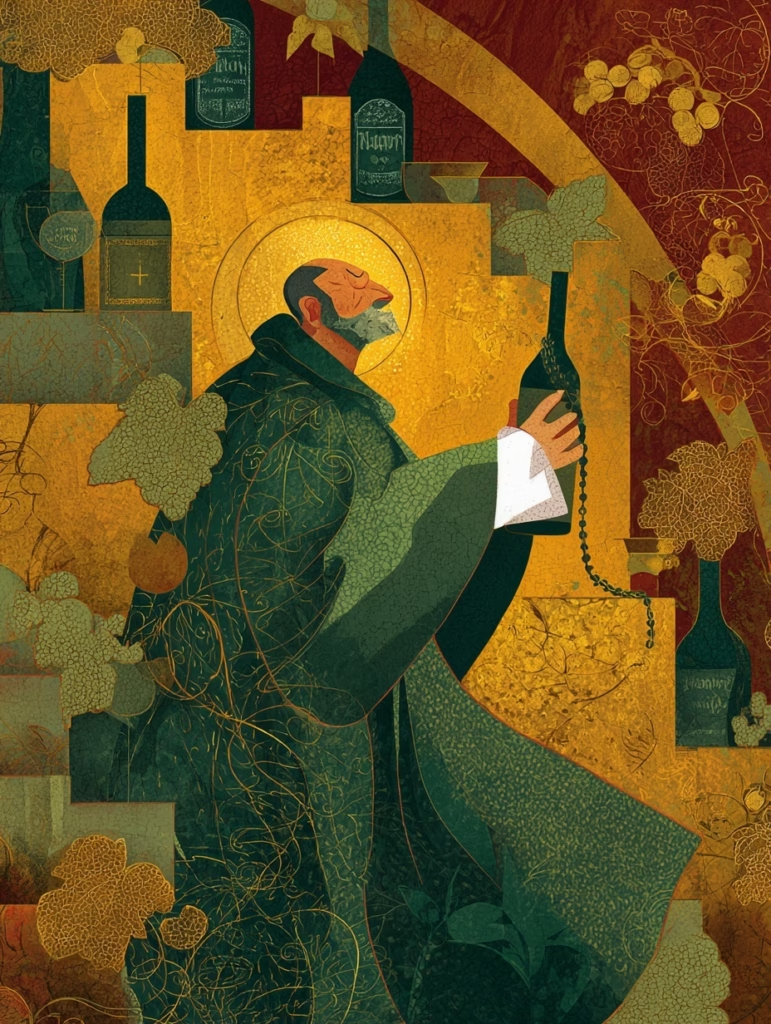
Let’s travel back to the 17th century, when champagne was basically the awkward teenager of French wines. While Burgundy and Bordeaux were the popular kids getting all the attention, the Champagne region was struggling to make wines that didn’t freeze during harsh winters (if you’ve ever forgotten a bottle in the freezer while trying to flash chill it, you know it’s not the vibe).
From Flaws to Stars: Champagne’s Glow Up
Those pesky bubbles? They were originally considered a flaw. When spring arrived and temperatures warmed up, dormant yeasts that had turned off because of the region’s cold winters would wake up, creating carbon dioxide and—surprise!—sparkling wine. Winemakers were like “this is not what we ordered,” but sometimes the universe has better plans.
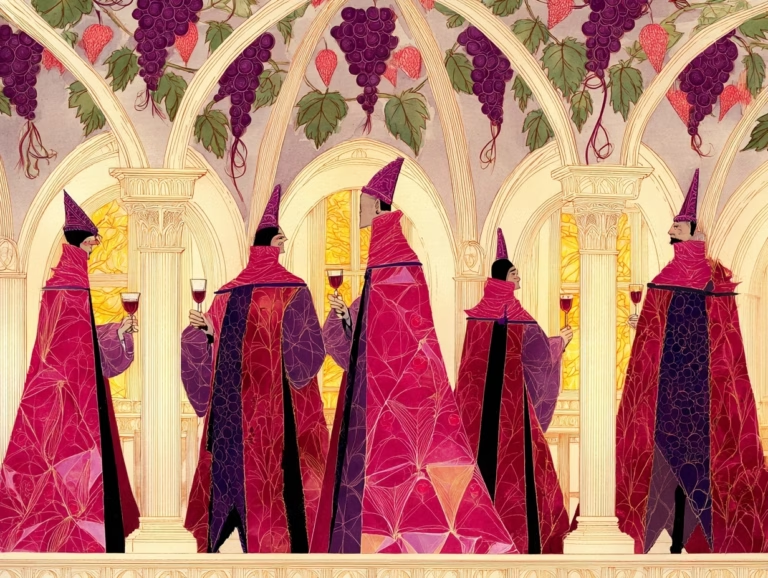
Enter Dom Pérignon (yes, that Dom Pérignon), a Benedictine monk who said “hold my rosary” and decided to work with the bubbles instead of against them. Around 1693, he perfected techniques that transformed this “flawed” wine into liquid gold. When he first tasted his creation, legend says he exclaimed he was “drinking stars.” Honestly? Same energy as your first sip of good champagne.
From Monk’s Experiment to Royal Obsession
The Royal Seal of Approval
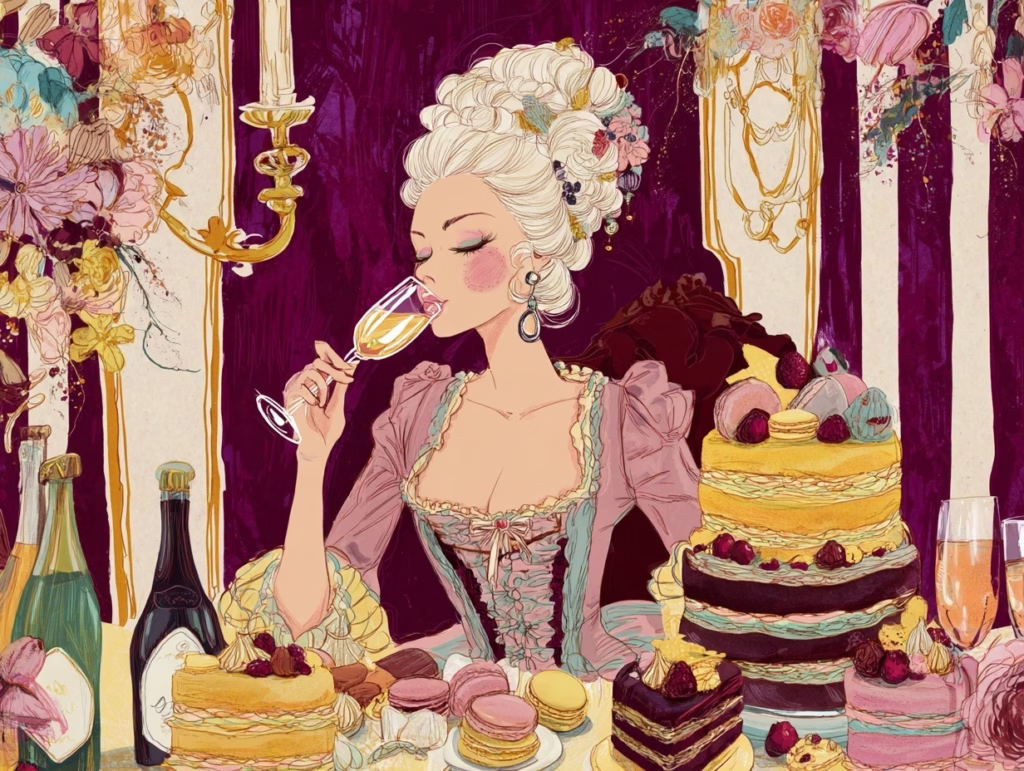
By the 18th century, champagne had serious main character energy, becoming the drink of choice for French royalty. Louis XIV was basically champagne’s first celebrity endorser, declaring it the only wine worthy of kings. Marie Antoinette allegedly had champagne coupes molded from her breasts (though this is probably just lore—the shallow shape actually predates her by decades).
The Veuve Clicquot’s Impact on Champagne Marketing
Enter Madame Clicquot, who literally wrote the playbook on champagne marketing. When her husband died in 1805, leaving her a 27-year-old widow—hence the name “Veuve” i.e., “widow,” in french—with a struggling wine business, Barbe-Nicole Clicquot didn’t just survive—she revolutionized the industry. She invented the riddling process (which clarifies champagne through a process of gradual turning), created the first rosé champagne, and built an international empire.
Key to all that: Veuve Clicquot positioned champagne as the drink of celebration and luxury by literally partying her way across Europe. She hosted lavish tastings, courted nobility, and made sure her champagne was present at every important social event. When Napoleon was exiled and Russian troops occupied her region, she famously said “Today they drink, tomorrow they buy”—and proceeded to charm the Russian officers into becoming her biggest customers. That’s some next-level networking energy.
That influence survives today. The competing Champagne houses realized that associating their product with luxury, celebration, and exclusivity would create demand that transcended borders. They weren’t just selling wine—they were selling aspiration, glamour, and the idea that your special moments deserved something equally special.
The Cultural Takeover: Why We Can’t Celebrate Without It
Fast-forward to the 20th century, and champagne became the ultimate prop in every celebration scene. From ship christenings to New Year’s Eve countdowns, champagne wasn’t just present—it was essential.
The Psychology of Celebration
There’s actual science behind why champagne feels so celebratory:
- The Drama: That satisfying pop creates anticipation and marks the moment
- The Ritual: Opening champagne requires intention—you can’t accidentally celebrate
- The Sensory Experience: Bubbles literally make everything feel more festive on your tongue
- The Shared Experience: Champagne is meant to be shared, creating communal joy
Modern Champagne Culture: From Special Occasions to “Because It’s Tuesday”
The Millennial Mindset Shift
Our generation has revolutionized champagne culture in the best way. We’ve moved from “save it for special occasions” to “Tuesday night is special enough.” This shift reflects a broader cultural movement toward self-care, celebrating small wins, and not waiting for permission to enjoy life’s pleasures.
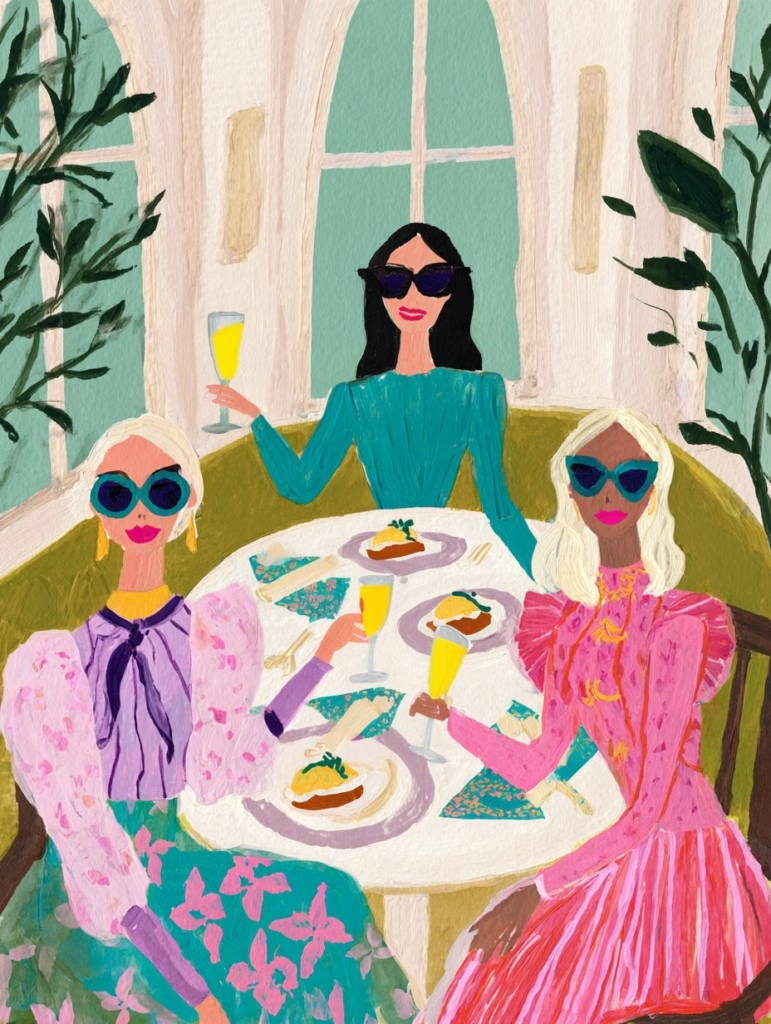
Current Champagne Vibes:
- Champagne brunches (because eggs Benedict deserves bubbles)
- “Champagne problems” as a term for first-world struggles
- Rosé champagne as the Instagram darling
- Champagne cocktails making everything feel fancy
The Celebration DNA: Why Champagne Just Hits Different
The Science of Special
Research shows that carbonation actually enhances our perception of flavor and creates a more memorable sensory experience. Those bubbles aren’t just pretty—they’re literally making your celebration taste better. Plus, the ritual of opening champagne triggers positive emotional associations we’ve built over a lifetime of special moments.
Cultural Programming
We’ve been culturally programmed to associate champagne with:
- Achievement and success
- Romance and luxury
- New beginnings and fresh starts
- Shared joy and community
- Permission to indulge
Looking Forward: Champagne’s Continued Evolution
Today’s champagne culture is more inclusive and accessible than ever. While it maintains its luxury status, champagne has also become a symbol of self-celebration, female empowerment (hello, champagne business lunches), and the idea that ordinary moments can be made extraordinary.
The houses we’ll explore in upcoming posts—from heritage giants like Moët & Chandon to boutique grower champagnes—are all building on this incredible foundation of history, tradition, and the universal human need to celebrate life’s moments, big and small.
Sip on History
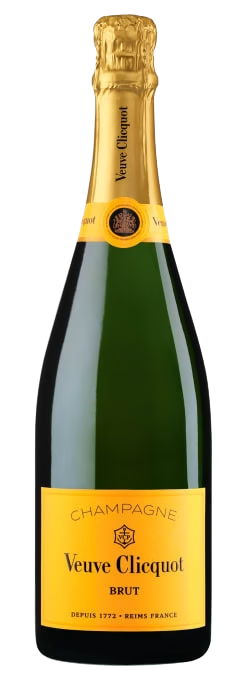
Veuve Clicquot Brut Yellow Label (NV) – Champagne, France
Think of Veuve Clicquot Yellow Label as the crisp white button-down of Champagne—iconic, tailored, and always in style. It’s built on a strong backbone of Pinot Noir, giving it structure and a hint of spice, balanced by Chardonnay’s brightness and a splash of Meunier’s softness. The nose opens with baked apple, lemon zest, and golden brioche, like Sunday brunch at a five-star hotel. On the palate, it’s creamy but vibrant—flavors of poached pear, honeyed citrus, and almond biscotti unfold over a fine mousse. There’s just enough bitterness on the finish (think grapefruit pith) to keep things polished and chic. Perfect for celebrations, oyster towers, or Tuesday evenings that need a little elevation.
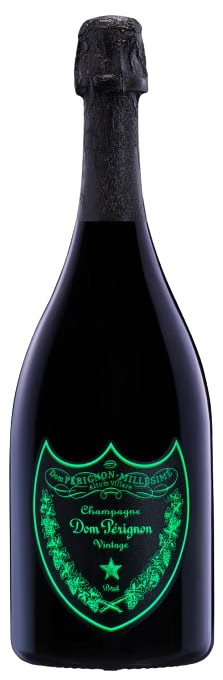
Dom Pérignon Vintage 2015 – Champagne, France
Dom Pérignon is not a wine—it’s a moment in history. This vintage Champagne walks the line between precision and poetry. On the nose, it’s complex and restrained: white flowers, toasted hazelnut, and a whisper of smoky chalk. Then comes the depth—stone fruit, lemon cream, and subtle spice. The bubbles are impossibly fine, gliding across the palate like silk. What stands out isn’t flamboyance, but structure. This is Champagne as architecture: layered, soaring, meticulously crafted. The finish is long and resonant, like the lingering high note of a perfect aria. It’s the kind of wine that makes you sit back, slow down, and remember exactly where you were when you drank it. A bottle to mark a turning point, or to remind you that your life is the occasion.
Coming Up in This Champagne Series:
- Part 2: The technical magic behind champagne—grapes, methods, and sugar levels decoded
- Part 3: Terroir deep dive—what makes Champagne’s climate and soil so special
- Part 4: House styles vs. grower champagnes—finding your perfect bottle
So next time you pop open a bottle, remember: you’re not just drinking wine, you’re participating in centuries of celebration, tradition, and the beautiful human impulse to mark our joyful moments with something that sparkles as much as we do.
Because some moments deserve bubbles, and some Tuesdays are worth celebrating.