Pop the Cork on American Sparkling Wine: Your Guide to Domestic Bubbles That Celebrate Independence
Discover the best American sparkling wines for July 4th! Complete guide to California, Virginia & Oregon producers, plus perfect BBQ pairings and shopping tips for patriotic bubbles.
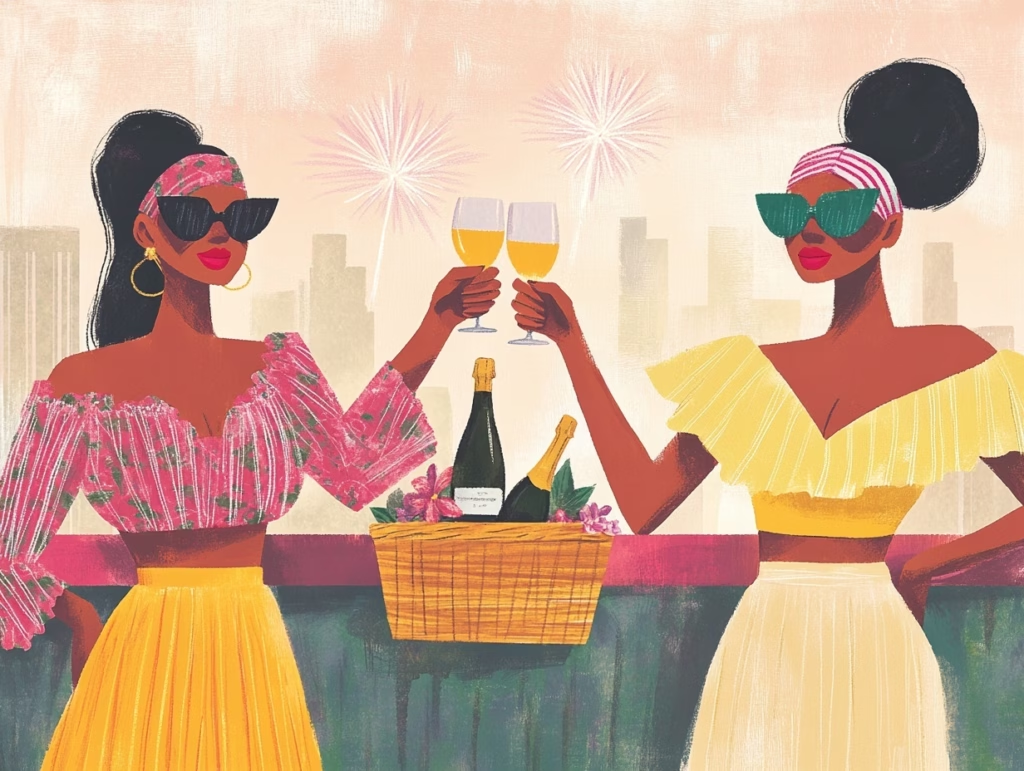
Since it’s (almost) the Fourth of July, I’m taking a one-week hiatus from my four-part Champagne series to get you ready for the long weekend: first, with a personality quiz to help you find your spritz alter ego for this weekend’s barbecues, and now with some stateside sparklers (no, not that kind) that will keep things bubbly and patriotic.
First things first, forget what you think you know about American bubbles. While we’ve all been obsessing over French Champagne (guilty as charged), American sparkling wine has been having a glow-up, quietly crafting bottles that would make Dom Pérignon himself say “merveilleux!”
This Fourth of July, it’s time to show some love to the sparkling wines being made right here in the USA. From California’s sun-soaked vineyards to surprisingly great bottles from my neighboring Virginia, it’s American sparkling wine’s time to shine.
Why American Sparkling Wine Hits Different
American winemakers aren’t trying to copy Champagne. Instead, they’re taking the traditional method and adding their own twist. And when it comes to sparkling wine, American wine has its own advantages over the sparkling wine capital, given the vast diversity of its terroir and more flexible winemaking rules (our breakdown on Champagne’s rules here) that favor innovation.
What makes American sparkling wine special:
- Diverse terroir: From cool California coastlines to Virginia’s rolling hills, each region brings its own climate and personality to the glass
- Innovation freedom: Not bound by strict French rules, American producers can experiment with grape blends, aging techniques, and flavor profiles
- Value proposition: You’re getting serious quality without the Champagne price tag (your wallet will thank you)
- Food-friendly vibes: Designed to pair with American cuisine—think everything from Southern fried chicken and mac and cheese (both surprisingly amazing with bubbles) to California avocado toast
The American Sparkling Wine Regions You Need to Know
Sonoma County: Where Cool Climate Meets Coastal Elegance
Sonoma’s Cool Climate & Terroir
Sonoma‘s proximity to the Pacific Ocean creates the perfect sparkling wine terroir, with morning fog rolling inland to keep temperatures cool and extend the growing season. The Russian River Valley and Sonoma Coast AVAs benefit from this marine influence, creating wines with bright acidity and delicate fruit expression. The region’s diverse soils—from ancient seabed deposits to volcanic ash—add complexity and minerality.
Sonoma Sparkling Winemaking Techniques
Sonoma producers favor traditional method fermentation with emphasis on preserving the region’s natural acidity. Many utilize cool-temperature fermentation in stainless steel to maintain fresh fruit character, followed by secondary fermentation in bottle. Extended lees aging (often 2-4 years) builds texture while maintaining the coastal elegance Sonoma is known for.
What to expect from Sonoma Bubbly
Crisp apple and citrus notes with a creamy mousse that feels luxurious without being heavy. Think coastal breeze in a glass—perfect for poolside sipping or celebrating literally anything.
Producer Spotlight: J Vineyards & Winery
J Vineyards exemplifies that Russian River Valley elegance perfectly. Originally founded in 1986 as a sparkling-only house by Judy Jordan (the “J”!), they understand how Sonoma’s cool climate creates bubbles with bright acidity and delicate fruit flavors. The winery sits on a picturesque 265-acre estate where Russian River Valley fog naturally air-conditions the vineyards. Plus, their tasting room is gorgeous and one of the most accessible from San Francisco, making it the perfect aperitif for a West Coast wine tasting day trip.
- Other Notable Sonoma Sparkling Producers: Gloria Ferrer, Iron Horse Vineyards
Napa Valley: The Powerhouse of American Sparkling
Napa’s Mediterranean Climate & Terroir
Napa Valley’s Mediterranean climate and varied elevations create ideal conditions for premium sparkling wine production. The Carneros AVA, at the southern end of the valley, benefits from cool San Pablo Bay breezes that slow ripening and preserve acidity. Volcanic soils and sedimentary deposits contribute to the region’s signature richness and structure.
Napa Sparkling Winemaking Techniques
Napa sparkling wine producers often employ longer aging on lees (sometimes 5+ years) to develop those signature brioche and toasted nut flavors. Many utilize a combination of stainless steel and neutral oak aging, with some producers experimenting with partial malolactic fermentation to add texture. The traditional method reigns supreme, with careful attention to riddling and disgorgement timing.
What to expect from Napa Sparkling Wines
Richer and more structured wines with beautiful golden hues and notes of brioche, honey, and toasted almonds. These sparklers have the weight and complexity to pair with more substantial dishes.
Producer Spotlight: Schramsberg
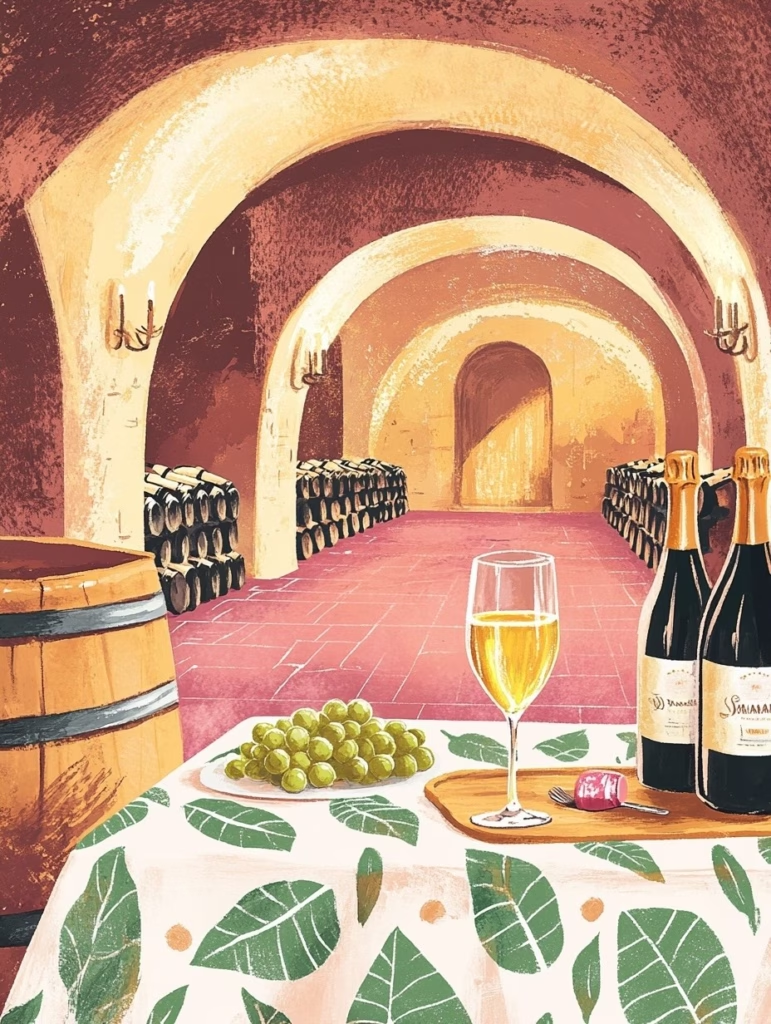
Schramsberg is basically the OG of American sparkling wine, with a story that reads like a wine fairy tale. Founded in 1862 by Jacob Schram, the winery was abandoned during Prohibition and lay dormant until Jack and Jamie Davies revived it in 1965 with a singular focus: proving California could make world-class sparkling wine. They were the first hillside winery in Napa Valley and literally carved caves into Diamond Mountain to age their wines. Their big break came in 1972 when President Nixon served Schramsberg at a state dinner in Beijing—putting American sparkling wine on the world stage. Today, their traditional method sparklers showcase what happens when you combine Old World techniques with California innovation. And if you’re visiting Calistoga, their winery tour through their extensive 19th-century caves is one of my California favorites.
- Other Notable Napa Sparkling Producers: Domaine Carneros, Mumm Napa, Chandon California
Virginia: East Coast Class
Virginia’s Continental Climate & Terroir
Virginia’s continental climate with Atlantic influence creates surprisingly ideal conditions for sparkling wine production. The state shares a similar latitude to northern France, with hot summers moderated by elevation and cool nights that preserve acidity. Virginia’s ancient soils—a mix of granite, limestone, and clay—impart distinctive minerality that sets these wines apart from their West Coast counterparts.
Virginia Sparkling Winemaking Techniques
Virginia producers have embraced traditional method sparkling wine production with particular attention to harvest timing and gentle pressing. The state’s high diurnal temperature variation allows for extended hang time while maintaining fresh acidity. Many producers utilize a combination of stainless steel and neutral oak aging, with lees stirring techniques borrowed from Champagne to build texture and complexity.
Flavor profile: Think green apple, white flowers, and a lovely chalky minerality that screams sophistication. These wines are perfect for impressing your wine-snob friends who think they know everything.
Producer Spotlight: Veritas Vineyard & Winery
Veritas is proving that Virginia can compete with anyone when it comes to sparkling wine. Veritas sits in the Monticello AVA at 1,000 feet elevation, where Thomas Jefferson once dreamed of Virginia becoming a great wine region. Their traditional method sparklers showcase the terroir beautifully—crisp, elegant, and completely surprising in the best way possible. The winery employs French winemaking techniques with Virginia innovation, including hand-riddling their sparkling wines and aging them in underground caves that maintain perfect temperature year-round. If you’re visiting, come hungry—they offer my favorite menu in the area with abundant picnic tables to BYO charcuterie.
- Other Notable Virginia Sparkling Producers: Barboursville Vineyards, King Family Vineyards, Early Mountain Vineyards
Oregon: The Sustainable Queen of Pacific Northwest Bubbles
Oregon’s Climate & Terroir:
Oregon’s Willamette Valley benefits from a unique climate that mirrors Champagne more closely than many other American regions. Cool, wet winters and warm, dry summers with significant diurnal temperature variation create ideal ripening conditions. The valley’s Jory and Willakenzie soils—volcanic and marine sedimentary respectively—contribute to the wines’ signature elegance and mineral complexity.
Oregon Winemaking Techniques
Oregon sparkling wine producers emphasize sustainable and often biodynamic practices, with many utilizing wild fermentation and minimal intervention techniques. Traditional method production focuses on preserving the region’s natural acidity and fruit purity. Extended lees aging (typically 3-5 years) builds complexity while maintaining the delicate, food-friendly style Oregon is known for.
What to expect from Oregon Bubbles
Elegant, food-friendly bubbles with notes of strawberry, brioche, and sometimes a hint of that Pacific Northwest earthiness that makes Oregon wines so distinctive.
Producer Spotlight: Argyle Winery
Argyle has been crafting exceptional Oregon sparkling wine since 1987, proving that the Willamette Valley isn’t just about still Pinot Noir. Argyle was one of the first wineries to recognize Oregon’s potential for world-class sparkling wine. Their traditional method sparklers showcase the region’s cool climate beautifully, with wines that feel both elegant and approachable. The winery pioneered sustainable farming practices in Oregon and was among the first to achieve LIVE certification (Low Input Viticulture and Enology). Fun fact: their sparkling wines age in caves carved into the hillside, maintaining consistent temperature and humidity that rivals the finest Champagne houses.
- Other Notable Oregon Sparkling Producers: Soter Vineyards, Archery Summit, Adelsheim Vineyard
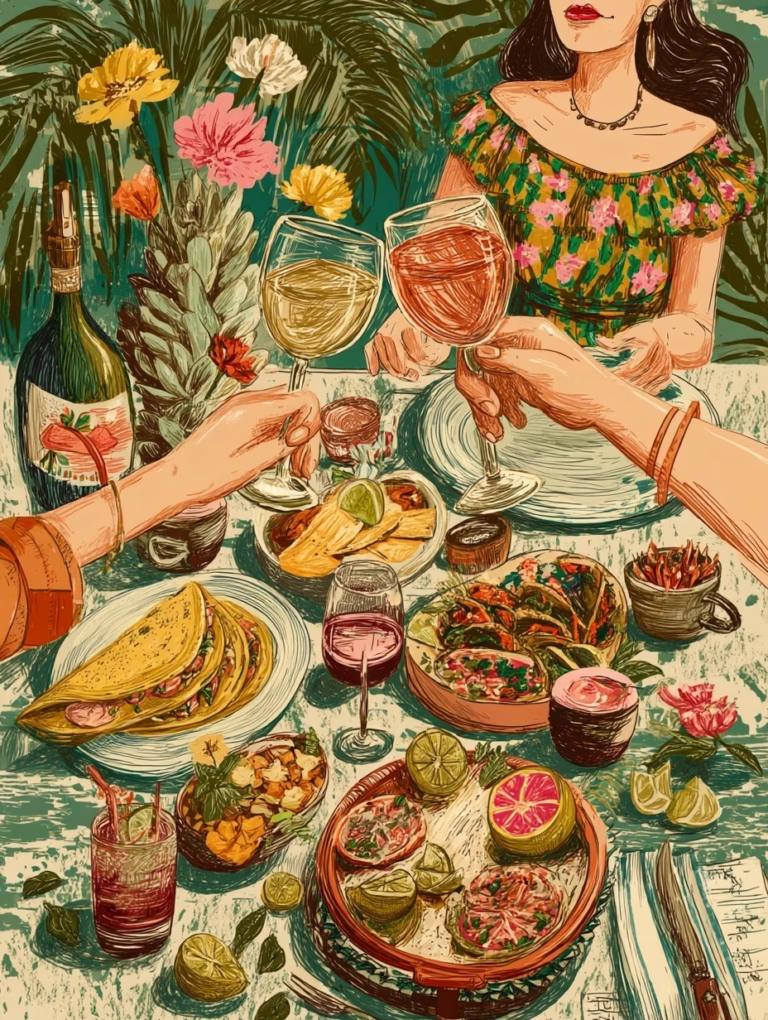
Food Pairing Made Simple: American Sparkling + July 4th Classics
For Your BBQ Spread:
- Grilled shrimp or fish tacos: Crisp California sparkling cuts through rich, smoky flavors perfectly. Try: J Vineyards Russian River Valley Brut
- Potato salad and coleslaw: The acidity in sparkling wine balances creamy, mayo-based sides. Try: Argyle Blanc de Blanc
- Corn on the cob: An off-dry American sparkling pairs beautifully with sweet summer corn. Try: Schramsberg Blanc de Blancs
For Elevated Appetizers:
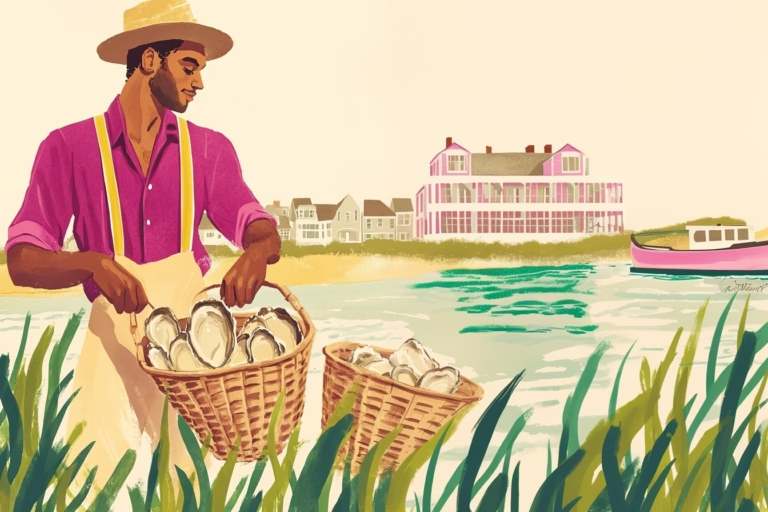
- Oysters: Virginia sparkling wine with local Chesapeake Bay oysters is chef’s kiss, while a bright Sonoma sparkler pairs perfectly with the Pacific Northwest’s sweeter varieties. Try: Veritas Sparkling Blanc de Blancs
- Cheese boards: American sparkling pairs beautifully with soft cheeses and fresh fruit—the perfect hors d’oeuvre for any Independence Day celebration. Try: Mumm Napa Brut Prestige
- Charcuterie: The bubbles cleanse your palate between bites of rich meats and aged cheeses. Try: Iron Horse Wedding Cuvée
For Dessert:
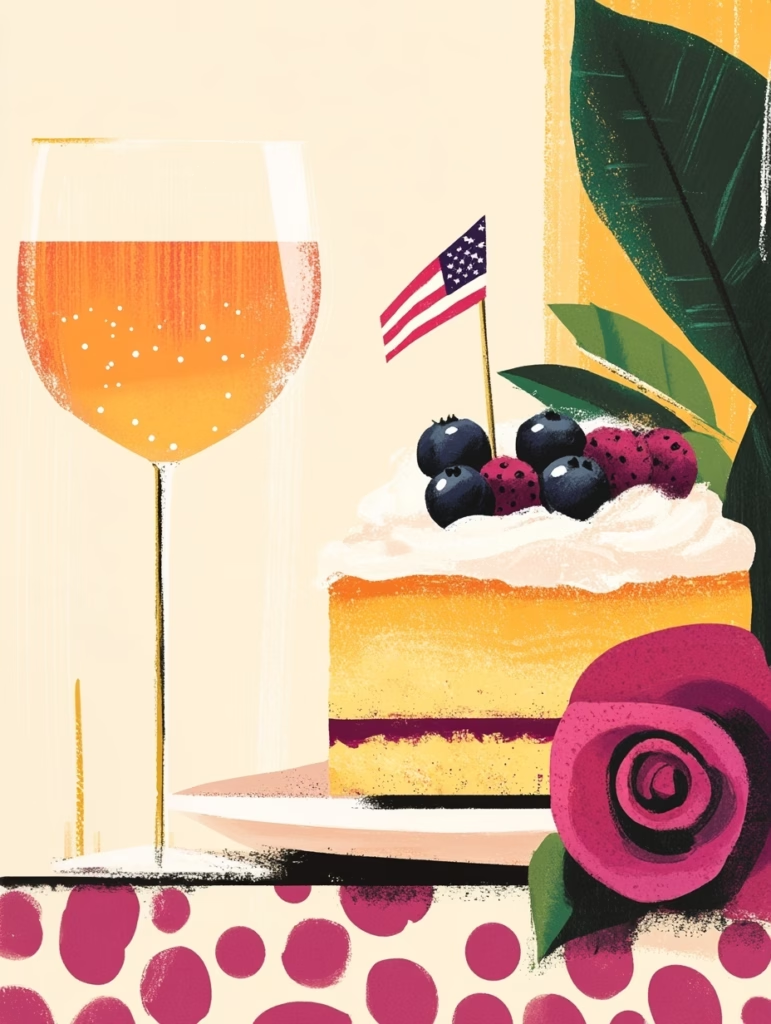
- Berry shortcake: Rosé sparkling wine with fresh strawberries is summer perfection—make it red, white, and blue plus whipped cream for extra patriotic vibes. Try: J Vineyards Rosé Sparkling
- Apple pie: A slightly sweeter American sparkling complements classic American desserts. Try: Schramsberg Mirabelle Brut
Shopping Guide: American Sparkling Wines to Buy Now
Budget-Friendly Finds ($15-25):
- Gruet Blanc de Noirs: New Mexico surprise that delivers serious quality
- Mumm Napa Brut Prestige: Napa Valley quality at an accessible price
- Chandon Brut Rosé: California rosé perfect for summer celebrations
Splurge-Worthy Bottles ($30-60):
- Schramsberg Blanc de Blancs: Napa Valley sophistication and White House pedigree
- Argyle Brut: Oregon elegance at an incredible price point
- Domaine Carneros Brut: Taittinger’s California expression
- J Vineyards Rosé Sparkling: Sonoma elegance with gorgeous salmon-pink hue
Ultra-Premium Experiences ($60+):
- Schramsberg J. Schram: The pinnacle of American sparkling wine
- Iron Horse Classic Vintage Brut: Aged complexity that rivals vintage Champagne
- Argyle Extended Tirage: Oregon’s most serious sparkling wine statement
Pro Shopping Tips:
- Look for “traditional method” or “méthode champenoise” on the label for complexity and commitment to winemaking craft
- Check the vintage date—non-vintage blends are perfect for casual drinking
- Ask your wine shop about local American producers
- Don’t overlook producer websites for direct-to-consumer options and library releases
The Perfect American Sparkling Wine Party Setup
- The Glassware Game: Use proper Champagne flute or tulip glasses to showcase those beautiful bubbles. Red solo cups are fun, but your American sparkling deserves better.
- Serving Temperature: Chill your bottles to 40-45°F. Pro tip: 3-4 hours in the fridge or 20 minutes in an ice bucket.
- Opening Like a Boss: Remove the foil and wire cage carefully (7 twists and it’s open), then twist the bottle (not the cork) while holding the cork steady. The cork should come out with a gentle “pop,” not a loud explosion.
- Storage for Parties: Keep opened bottles in ice buckets, coolers, or wine chillers. Sparkling wine typically stays fresh for 2-3 hours once opened. Fitted champagne stoppers and proper cooling (which slows the release of CO2) can help extend that.
- Keep it Cool: If you’re hanging poolside, insulated tumblers can also keep things cool once poured.
Why This July 4th is Perfect for American Sparkling
There’s something beautifully poetic about celebrating America’s independence with wines made right here at home. While we appreciate French Champagne’s history and elegance, American sparkling wine represents innovation, creativity, and the entrepreneurial spirit that defines this country.
The bottom line: American sparkling wine has earned its place at your celebration table. Whether you’re hosting a backyard BBQ, watching fireworks from a rooftop, or toasting with friends at a beach bonfire, these domestic bubbles deliver sophistication without the pretension.
So this Fourth of July, surprise your friends with something that’s both patriotic and delicious. Because nothing says “land of the free” quite like the freedom to choose amazing wine made right here at home.
Ready to explore American sparkling wine? Start with a bottle from your closest wine region—you might be surprised by what’s being made in your own backyard. And remember, the best sparkling wine is the one you’re sharing with people you love, celebrating moments that matter. Fireworks or the other kind of sparklers don’t hurt the vibe either.
Cheers to independence, innovation, and seriously good American bubbles! 🇺🇸✨