Sherry Poppins: Unpacking Spain’s Most Misunderstood Wine

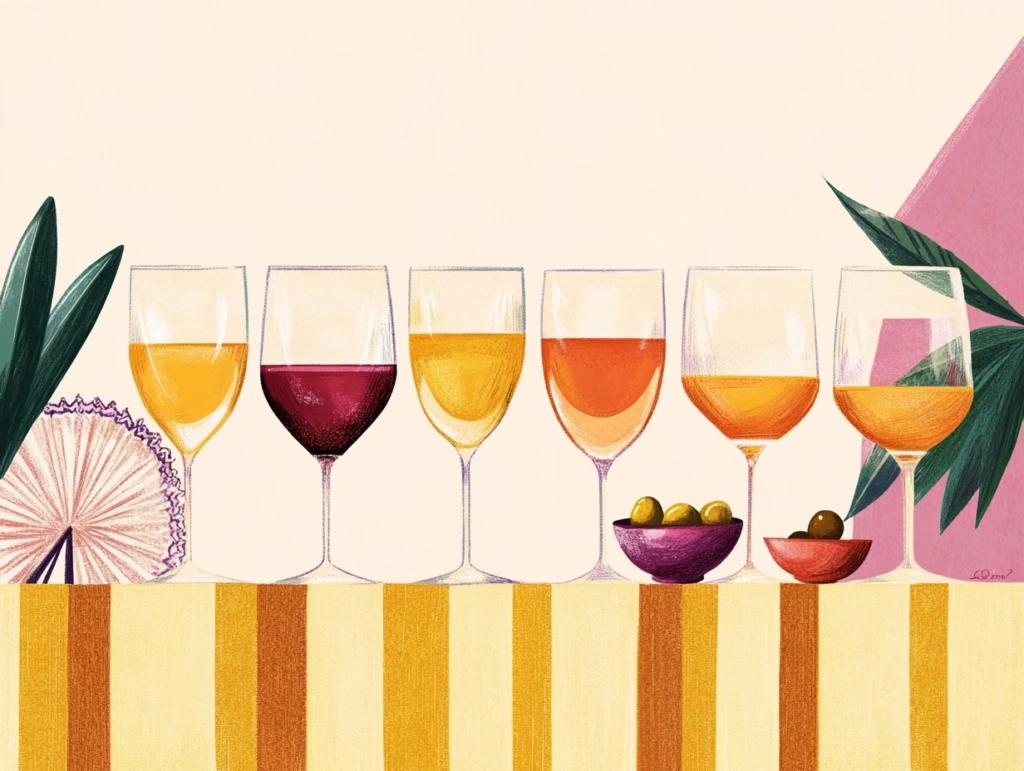
When Maxwell Park announced “Sherry Poppins” as their July theme, my girlfriends and I knew we had to investigate. I’ve always been a sherry fan and knew some basics, but this was my first chance to try all the different styles side by side through their six-sherry flight.
The result: tasting them together really upped my understanding of just how diverse this category is.
Far from your grandmother’s dusty cooking wine—sherry is actually one of the most diverse, food-friendly, and downright delicious wine categories out there. It’s like the wine world’s best-kept secret, and with most sherries clocking in under $40 it’s almost always a bargain.
What Is Sherry? (And Where Has She Been Hiding?)
Made exclusively in the Jerez region of Andalusia, this fortified wine has been perfecting its craft for over 1,000 years.
Fun fact: like Champagne, “sherry” is actually a protected regional designation—only wines made in this specific Spanish region can legally call themselves sherry. The name comes from the English pronunciation of “Jerez,” which has caused centuries of confusion about whether we’re talking about a place or a wine style (answer: it’s both!).
Here’s where it gets science-y: sherry is made using a unique aging system called solera. Think of it like the wine equivalent of sourdough starter that gets passed down through generations. New wine is added to the top tier of barrels, while older wine gets blended down through multiple levels. The result? Every bottle contains wine that’s been aging for years for complexity and consistency.
The magic happens through two different aging processes that can occur separately or sequentially:
- Biological aging under a layer of yeast called flor (the good kind of mold that makes wine taste amazing)
- Oxidative aging where the wine slowly develops nutty, caramelized flavors through controlled exposure to air
Some sherries experience only one type of aging (like Fino, which stays under flor its entire life), while others go through both phases—starting with biological aging that eventually transitions to oxidative aging as the flor naturally dies off.
The Sherry Spectrum: From Bone-Dry to Dessert Dreams
During our Maxwell Park flight, we discovered that saying “I don’t like sherry” is like saying “I don’t like music”—there are styles for every mood and occasion.
Here’s your complete sherry guide:
Fino: The Clean Dream
- Vibe: Crisp, bright, no-makeup-makeup energy
- Flavor Profile: Bone dry with almond and sea salt notes
- Alcohol: 15-17%
- Aging Process: Biological aging only (stays under flor throughout its life)
Aged entirely under flor, it’s pale, delicate, and refreshing. This is the sherry that converts Sauv Blanc lovers—it’s got that same zippy, mineral-driven character but with way more personality. Serve it ice-cold as an aperitif with olives and marcona almonds, or pair it with fresh seafood and light tapas.
Try: Lustau Fino Jarana ($20) – this classic Fino showcases pure, crisp almond notes perfect for tapas or sushi nights.
Manzanilla: Coastal Cool
- Vibe: That friend who grew up by the ocean and somehow always smells like sea breeze
- Flavor Profile: Even more delicate than Fino, with distinct sea salt minerality
- Alcohol: 15-17%
- Aging Process: Biological aging only (like Fino, but influenced by coastal location)
Made exclusively in Sanlúcar de Barrameda (a coastal town), Manzanilla gets its signature salinity from ocean breezes. The ultimate aperitif for warm weather—serve it chilled with oysters, jamón ibérico, or anything that reminds you of a Spanish beach vacation.
Try: Lustau Manzanilla Pasada Jurado ($40) – This aged Manzanilla has spent extra time developing more complexity while maintaining that signature coastal character.
Amontillado: The Sophisticated Pivot
- Vibe: Your former party friend who went to grad school and now hosts elegant dinner parties
- Flavor Profile: Starts crisp, develops nutty complexity with hints of caramel
- Alcohol: 16-18%
- Aging Process: Both biological and oxidative (starts under flor, then transitions to oxidative aging)
Amontillado begins life as Fino but loses its flor layer, allowing oxidative aging to develop deeper, nuttier flavors. It’s like watching someone’s glow-up in real time—same person, elevated energy. This versatile middle child works beautifully as an aperitif but really shines with roasted chicken, aged manchego, or mushroom risotto—basically anything that needs a wine with both freshness and depth.
Try: Hidalgo Amontillado Napoleon ($38) – This amber wine perfectly bridges fresh and rich, making it ideal for cheese boards or autumn evenings.
Palo Cortado: The Wild Card
- Vibe: That enigmatic friend whose Instagram gives nothing away but somehow lives the most interesting life
- Flavor Profile: Complex blend of Amontillado’s nuttiness with Oloroso’s richness
- Alcohol: 17-22%
- Aging Process: Both biological and oxidative (loses flor earlier than expected, creating unique character)
Palo Cortado starts as Fino but naturally loses its flor earlier than expected, creating something entirely unique. Wine nerds lose their minds over this stuff because it’s so rare and unpredictable. This is your special occasion sherry—save it for dinner parties where you want to blow minds, or pair it with aged cheeses and charcuterie when you’re feeling fancy.
Try: Emilio Lustau Palo Cortado Peninsula ($31) – This complex bottle showcases why Palo Cortado is considered sherry’s holy grail.
Oloroso: Rich Aunt Energy
- Vibe: Your glamorous aunt who travels first-class and always knows the best restaurants
- Flavor Profile: Full-bodied with walnut, leather, and dried fruit complexity
- Alcohol: 17-22% Aging Process: Oxidative aging only (never develops flor)
Oloroso never develops flor, so it ages through pure oxidation, creating rich, powerful wines with incredible depth. This is sherry for people who think they need a big Napa Cab to feel satisfied. Perfect as a digestif after dinner or paired with rich, savory dishes like braised short ribs, aged cheeses, or anything involving dark chocolate. Think cozy winter evenings by the fireplace.
Try This: Lustau Oloroso Pata de Gallina J. Garcia Jarana ($45) – This exceptional Oloroso showcases the rich, nutty complexity that makes oxidative aging so magical. “Pata de Gallina” (hen’s foot) refers to the distinctive aging marks that develop on the barrels—basically the wine equivalent of laugh lines that prove it’s lived a full life.
Pedro Ximénez (PX): The Dessert Superstar
Vibe: Your friend who orders dessert first and has no regrets Flavor Profile: Intensely sweet with raisin, molasses, and chocolate notes Alcohol: 15-22% Aging Process: Oxidative aging only (made from sun-dried grapes, no flor development)
Made from sun-dried Pedro Ximénez grapes, this is liquid dessert in the best possible way. It’s so thick and sweet, you could practically pour it over ice cream (and honestly, you should try that). This is your after-dinner showstopper—serve it with chocolate desserts, drizzle it over vanilla ice cream, or sip it slowly while contemplating life’s sweetest moments.
Try This: Gonzalez Byass Nectar Pedro Ximinez Sherry ($17) – This luscious PX delivers everything you want from dessert wine—rich, velvety, and intensely sweet with notes of figs, dates, and molasses.
Quick Reference: Your Sherry Cheat Sheet
| Style | Dryness | Color | Best For | Price Range |
| Fino | Bone dry | Pale gold | Aperitifs, seafood | $15-25 |
| Manzanilla | Bone dry | Pale gold | Oysters, sushi | $15-25 |
| Amontillado | Dry to off-dry | Amber | Cheese, roasted chicken | $20-35 |
| Palo Cortado | Dry | Deep amber | Special occasions | $30-50+ |
| Oloroso | Dry | Mahogany | Red meat, rich stews | $25-45 |
| Pedro Ximénez | Very sweet | Dark brown | Dessert, ice cream | $25-40 |
How to Serve Sherry Like You Know What You’re Doing
Temperature Matters: Serve light sherries (Fino, Manzanilla) chilled like white wine. Richer styles (Oloroso, PX) can be served at cellar temperature or slightly chilled.
Glassware: Use small wine glasses or traditional copitas—you want to concentrate those gorgeous aromatics.
Food Pairing Magic: Light sherries with seafood and tapas, rich sherries with cheese and desserts. PX is a rare wine that actually pairs well with chocolate and can even be poured over with chocolate for a special treat.
Why Sherry Deserves Your Attention (And Your Wine Budget)
While I’ve always been on team sherry, the visit to Maxwell Park had even some of the sherry skeptics buying in to types of sherry not top of mind for most Americans. Here’s why you should be team sherry too:
- Value: You get centuries of winemaking tradition and incredible complexity for under $30 in most cases.
- Versatility: From aperitif to digestif, there’s a sherry for every part of your meal and every season.
- Food-Friendly: Sherry’s acidity and range make it incredibly versatile with food—more so than most wines.
- Conversation Starter: Serving sherry automatically makes you the most interesting person at the party.
- Low Commitment: Most sherries come in 375ml bottles, perfect for trying new styles without committing to a full bottle.
What’s not to love?
The Bottom Line
Sherry is Spain’s most sophisticated export that can pair beautifully with everything from sushi to chocolate cake. Whether you’re looking for a crisp aperitif or a luxurious digestif, there’s a sherry that’ll make you wonder why you waited so long to explore this incredible wine category.
Ready to join the sherry revolution? Start with a Fino or Manzanilla to ease in, then work your way up to the richer styles. Your wine journey is about to get a whole lot more interesting (and significantly more Spanish).
¡Salud! to discovering your new favorite wine category.