Skin Contact in Wine: Why Color Matters
Ever wondered why your rosé is pink, your orange wine is orange, and your Cabernet is deep purple? It's all about the skin contact, baby! Think of it like a makeup routine: no contact gives you that fresh-faced look, a little gives you that 'no-makeup makeup' vibe, and full contact is your full glam moment. Here's the thing most people don't realize: all grape juice starts out clear—yes, even from red grapes!
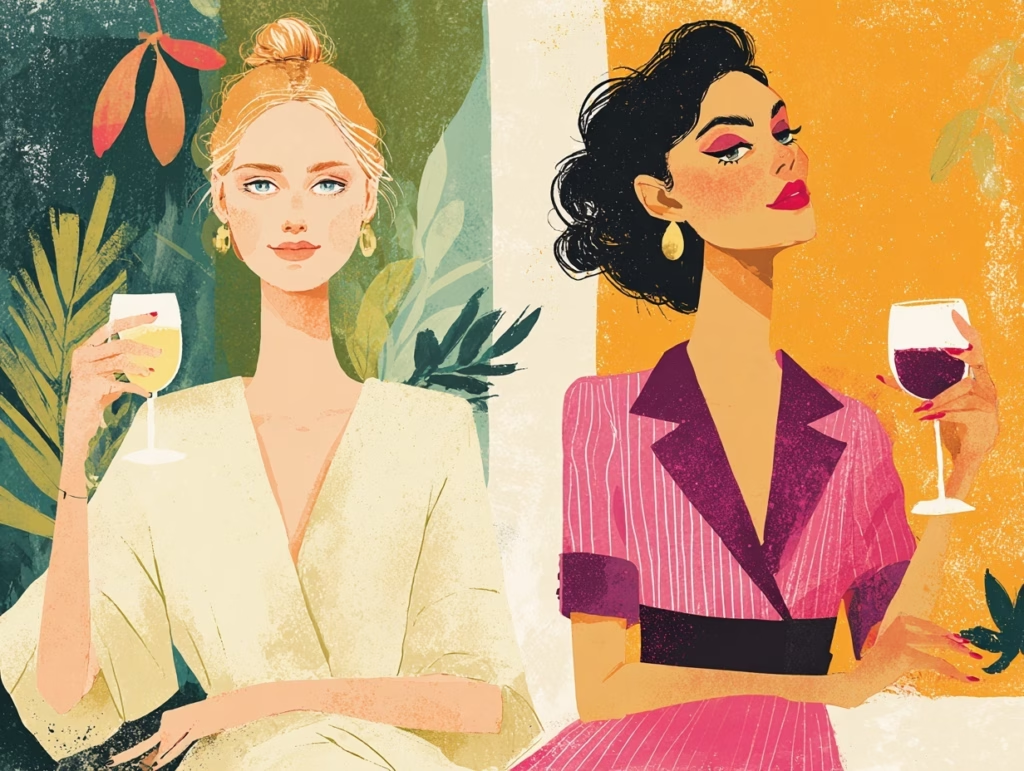
Ever wondered why your rosé is pink, your orange wine is… well, orange, and your Cabernet is deep purple? It’s all about the skin contact, baby! Think of it like a makeup routine: no contact gives you that fresh-faced look, a little gives you that “no-makeup makeup” vibe, and full contact is your full glam squad. Let’s break down this wine beauty secret that transforms everything from color to flavor to texture.
What Actually IS Skin Contact?
Skin contact (also called maceration) is exactly what it sounds like: how long grape juice hangs out with grape skins during winemaking. Those skins are like tiny flavor bombs packed with color, tannins, and aromatics just waiting to transform your wine.
Here’s the thing most people don’t realize: all grape juice starts out clear. Yes, even from red grapes! The magic happens when winemakers decide how long to let that juice sit with the skins.
The Skin Contact Spectrum: From Clean to Full Gram Queen
Whites: The “No-Contact” Queens
- Skin Contact Time: Zero to a few hours
- The Vibe: Clean girl aesthetic – fresh, bright, and effortlessly crisp
Most white wines get the express treatment: grapes are pressed immediately, separating juice from skins faster than you can say “Sauvignon Blanc.” This keeps them:
- Crystal clear and pale
- Crisp and acidic
- Pure fruit-forward flavors
- Light, refreshing texture
Perfect Examples: Pinot Grigio, Albariño, most Chardonnays
Rosé: The “Just a Touch” Darling
- Skin Contact Time: 2-24 hours
- The Vibe: That perfect “I woke up like this” pink flush
Rosé is the Goldilocks of skin contact – just enough to get that Instagram-worthy blush color without going full red wine mode. Winemakers are basically playing wine makeup artist, controlling exactly how pink they want to go.
What You Get:
- Delicate pink to salmon hues
- Fresh red fruit flavors (strawberry, watermelon, cherry)
- Light body with refreshing acidity
Pro Tip: Darker rosés usually had longer skin contact, while petal pale rosés had minimal contact.
Orange Wine: The “All-In” Rebel
- Skin Contact Time: Days to months
- The Vibe: That friend who makes her own lip stain and refuses to buy anything at Sephora
Orange wines are white grapes having their main character moment with extended skin contact. This ancient technique (we’re talking 8,000+ years) creates wines that are literally orange-hued and totally unique.
What Happens:
- Amber to deep orange color
- Grippy, almost tea-like tannins
- Complex, oxidative flavors
- Earthy, nutty characteristics
- More body than typical whites
Popular Grapes: Pinot Grigio, Gewürztraminer, Ribolla Gialla
Light Reds: The “Casual Contact” Cool Girls
- Skin Contact Time: 3-7 days
- The Vibe: Effortlessly chic “French girl” makeup without trying too hard
Light reds like Pinot Noir and Beaujolais get just enough skin time to develop color and structure without becoming too intense. It’s like the wine equivalent of a capsule wardrobe – elegant and versatile.
Characteristics:
- Bright ruby to light garnet color
- Soft, approachable tannins
- Fresh red fruit flavors
- Food-friendly and versatile
Full-Bodied Reds: The “Maximum Drama” Divas
- Skin Contact Time: 2-4 weeks (sometimes longer!)
- The Vibe: Full glam, every single day
Big reds like Cabernet Sauvignon and Barolo get the VIP treatment with extended skin contact that extracts every bit of color, flavor, and tannin possible. These wines are serving looks and substance.
What You Get:
- Deep purple to almost black color
- Robust tannin structure
- Complex flavor layers
- Aging potential for years (or decades)
Quick Reference: Skin Contact Cheat Sheet
| Wine Style | Contact Time | Color Result | Flavor Impact | Tannin Level |
| White Wine | 0-6 hours | Pale yellow | Pure, crisp | None |
| Rose | 2-24 hours | Pink to salmon | Fresh red fruit | Light |
| Orange Wine | Days to months | Amber / orange | Complex, grippy | Medium-high |
| Light Red | 3-7 days | Ruby red | Bright fruit | Light-medium |
| Deep Red | 2-4 weeks+ | Deep purple | Intense, layered | High |
Why This Matters for Your Wine Shopping
Understanding skin contact helps you predict what’s in your glass before you even taste it:
- Want something light and refreshing? → Look for minimal contact wines (crisp whites, pale rosés)
- Feeling adventurous? → Try orange wines for that complex, textural experience
- Need something for dinner? → Light reds with moderate contact pair beautifully with food
- Ready to go big? → Full-contact reds deliver maximum impact and aging potential
The Bottom Line
Skin contact is basically the wine world’s version of a color filter – it determines not just how your wine looks, but how it tastes, feels, and ages. From the barely-there blush of Provence rosé to the deep, inky intensity of Napa Cabernet, it’s all about how long the winemaker lets those skins work their magic.
Next time you’re wine shopping, think about what kind of skin contact mood you’re in. Sometimes you want that fresh-faced white wine energy, other times you’re ready for full orange wine drama. Either way, now you know the secret behind what makes each style so distinctly different.