Sonoma County: California’s Answer to Burgundy
Your guide to California's most underrated wine region (spoiler: it's giving Burgundy vibes)

If Napa is that friend who always posts their designer handbags on Instagram, then Sonoma is the one with the curated vintage finds and hidden indie playlist. While Napa brings the flex, Sonoma brings the feels—and honestly? We’re here for it.
Here’s the beautiful truth about Sonoma: every single bottle is a storyteller. While Napa wines announce themselves with power and prestige, Sonoma wines whisper secrets about fog rolling through valleys, ancient soils shaped by volcanic activity, and winemakers who’ve learned to listen to what the land wants to say. If Napa is California’s answer to Bordeaux (polished, powerful, built to impress your boss), then Sonoma is its Burgundy—soulful, site-driven, and expressive AF. Each wine doesn’t just tell you what grape it is; it tells you exactly where it came from and who crafted its story.
The Climate: Where Every Story Begins ☁️
Here’s where Sonoma gets really interesting as a storyteller—its superpower is basically having multiple personalities, and each one has something completely different to say. We’re talking over a million acres that can’t decide if it wants to be coastal or mountainous, cool or warm, fog-kissed or sun-drenched. And just like the best anthology series, this diversity is exactly what makes every Sonoma wine’s story worth hearing.
The Pacific fog rolls into places like Russian River Valley and Sonoma Coast like the opening scene of a moody indie film—gentle, mysterious, and absolutely essential for setting the tone. These cooler zones are where the most delicate storytellers live, where Pinot Noir and Chardonnay develop those elegant, nuanced flavors that whisper rather than shout their tales of terroir.
Cool Zone Stories:
- Russian River Valley & Sonoma Coast: Fog-influenced, ocean-kissed narratives
- Perfect for delicate, aromatic varietals that speak in soft tones
- Think ethereal, complex, chef’s kiss storytelling
But drive just thirty minutes inland to Alexander Valley or Dry Creek Valley, and suddenly you’re reading a completely different genre. Here, the sun shows up to work every day, and the wines tell bold, confident stories about warmth, generosity, and California optimism made liquid.
Warm Zone Stories:
- Alexander Valley & Dry Creek Valley: Sunshine narratives with depth
- Home to fuller-bodied storytellers like Cabernet and Zinfandel
- Think confident, fruit-forward tales with happy endings
The plot twist that makes wine nerds lose their minds? Sonoma can tell both Burgundian-style stories AND Bordeaux-style stories within the same region—sometimes from vineyards you could literally walk between. Talk about narrative range.
The Grapes: Master Storytellers of Place 🍇
Pinot Noir: The Narrator That Makes You Feel Everything
If Sonoma were a Netflix series, Pinot Noir would absolutely be the narrator—and what a compelling voice it has. This grape doesn’t just make wine; it crafts emotional experiences that somehow manage to capture the essence of fog, forest, and feeling all in one sip.
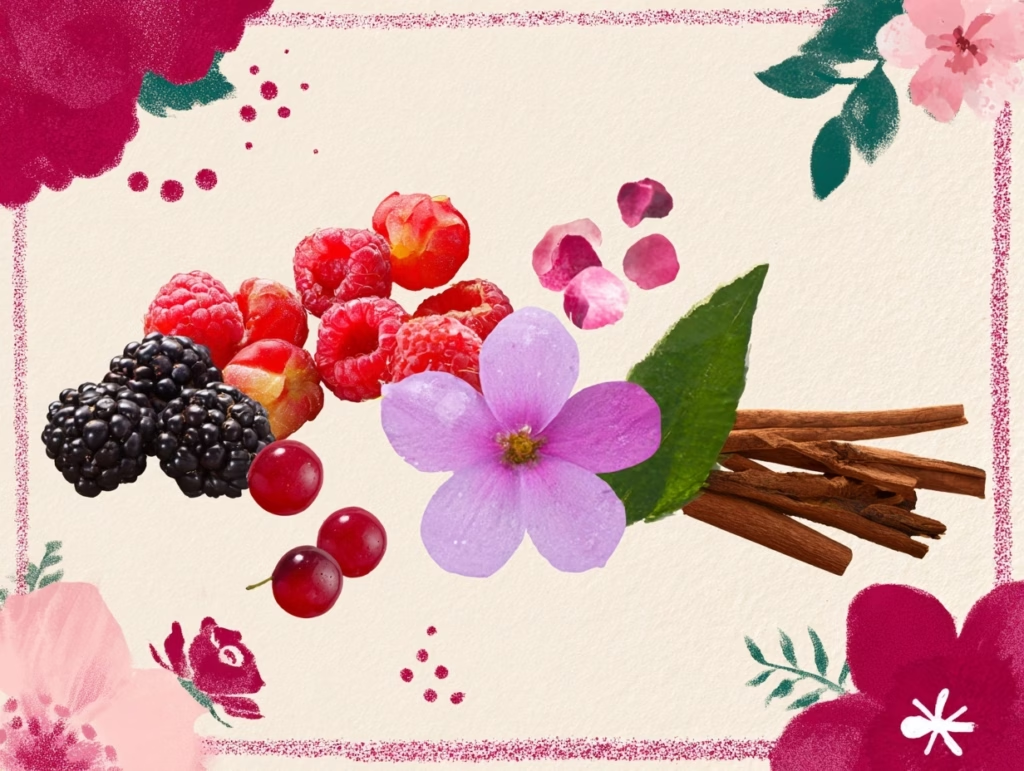
Sonoma Pinot Noir tells stories that are both ethereal and grounding. Picture this narrative: bright cherry and raspberry flavors that taste like summer memories, layered with gorgeous floral chapters of rose petals and violets that make you want to write poetry. But then there’s this earthy, forest floor subplot underneath that keeps the whole story anchored—like that friend who seems dreamy and romantic but also has a philosophy degree.
What Sonoma Pinot Stories Sound Like:
- Bright cherry, raspberry, and cranberry (the optimistic opening)
- Floral notes of rose and violet (the romantic middle)
- Subtle forest floor and baking spice (the complex conclusion)
- Silky texture with balanced structure (the perfect storytelling pace)
The texture is what really makes these stories unforgettable—it’s silky in a way that feels almost luxurious, but never heavy. Each sip unfolds like turning pages in your favorite book, revealing new details you somehow missed the first time.
And here’s where Pinot Noir’s storytelling gets really fascinating: this grape is basically the ultimate method actor. In Burgundy, it tells moody, restrained stories—earthy narratives that demand your full attention. Oregon Pinot crafts thoughtful, balanced tales that split the difference between Old and New World sensibilities. But Sonoma Pinot tells generous, sunny stories while maintaining incredible emotional depth. Same grape, completely different narrative styles, and all of them absolutely worth your time.
Chardonnay: The Plot Twist That Changed Everything
Can we talk about how Sonoma Chardonnay completely rewrote its own story? Because forget everything you think you know about “California Chardonnay”—especially if your only reference point is that one-dimensional butter bomb from college that had zero character development.
Sonoma Chardonnay looked at that tired old narrative and said “I’m going to tell a completely different kind of story,” then proceeded to craft wines that rival the most sophisticated white Burgundies. These are storytellers with serious literary credentials—Petaluma Gap and Russian River Chardonnays that have the kind of layered complexity and character development that keeps you coming back for multiple readings.
The magic happens because Sonoma winemakers are letting the terroir write the script instead of overwhelming it with heavy-handed production techniques. They’re dialing back on excessive oak and malolactic fermentation, instead allowing the fruit and site to tell their own authentic stories.
Two Narrative Styles, Both Captivating:
- Crisp & Mineral Stories: Lemon zest, green apple, wet stone (clean, precise prose)
- Rich & Textured Tales: Brioche, hazelnut, ripe pear (layered, complex storytelling)
Either way, these are wines that don’t need to announce their pedigree to command respect. They’re quietly sophisticated storytellers—the literary fiction of the wine world that rewards careful attention with incredible depth and nuance.
Zinfandel: The Heritage Storyteller That Owns Its Roots 👑
Zinfandel is basically Sonoma’s master of American wine storytelling—it’s homegrown California royalty that reached its absolute peak in places like Dry Creek Valley, and it tells that story with zero apologies.
This is the grape that narrates the true tale of California wine better than any other. While other regions were busy trying to retell European stories with American grapes, Sonoma was perfecting something uniquely American with Zinfandel. These wines tell bold, generous stories that taste like liquid sunshine and California optimism.
The best Sonoma Zins craft narratives that are impossible to ignore—ripe blackberry and blueberry flavors that taste like the world’s most sophisticated fruit snacks, layered with black pepper and baking spice complexity that adds intrigue to every chapter. There’s this joyful, extroverted quality to these stories that makes it impossible not to smile while you’re experiencing them.
The Zinfandel Storytelling Range:
- Jammy & Bold Tales: Perfect for cozy nights with comfort food
- Spicy & Restrained Narratives: Ideal for impressing sophisticated audiences
- Heritage Stories: Old vine expressions that whisper California wine history
What I love most is how versatile these storytellers are—depending on the winemaker’s vision, they can craft intimate fireside stories or epic adventure tales, but they’re always authentically, unapologetically Californian.
Cabernet Sauvignon: The Sophisticated Storyteller
While Napa Cabernets are over there telling epic power fantasies with massive tannins and oak-heavy production, Sonoma Cabernet chose a completely different narrative approach. These are refined storytellers that don’t need to shout to be heard—they whisper complex tales that somehow feel both sophisticated and approachable.
Alexander Valley, in particular, produces Cabernets that tell stories like the wine equivalent of your favorite literary thriller—all the classic elements you expect, but crafted with such finesse that you can’t put them down. These narratives have rich blackberry, cassis, and dark cherry plots supported by elegant cedar, graphite, and cocoa subplots that add layers without overwhelming the main story.
Alexander Valley Cab Story Elements:
- Blackberry, cassis, dark cherry (the compelling main plot)
- Cedar, graphite, cocoa (sophisticated supporting characters)
- Sleek tannins and balanced alcohol (perfect pacing and structure)
The tannins provide structure without being aggressive, the alcohol stays balanced rather than overwhelming, and the overall story feels polished without being pretentious. These wines aren’t trying to retell Bordeaux’s stories, and they’re definitely not competing with Napa’s power narratives. Instead, they’re telling distinctly Sonoma tales—French technique meets California confidence, creating stories that feel both familiar and refreshingly original.
The Supporting Cast: Storytellers Worth Discovering 🌟
Don’t sleep on Sonoma’s ensemble cast, because some of these “supporting” storytellers are absolutely scene-stealers with narratives that deserve their own spotlight.
Sauvignon Blanc is crafting some seriously compelling stories here—vibrant, crisp tales with natural aromatics that actually have character development instead of generic “white wine” plots. Most winemakers are using stainless steel or neutral oak, which preserves all those gorgeous natural story elements instead of masking them with heavy-handed production.
Syrah from Bennett Valley and Sonoma Coast tells cool-climate stories that taste like pepper, plum, and smoked meat had a sophisticated dinner party conversation. These are complex, layered narratives that prove this grape has serious storytelling chops when it finds the right terroir to work with.
Meanwhile, Merlot from Sonoma Valley is busy rewriting its entire reputation with stories that are plush, velvety, and surprisingly deep—old vines and varied soils giving these wines enough character development to make you completely rethink everything you thought you knew about this often-underestimated storyteller.
Sonoma’s Neighborhoods: Where Stories Come to Life 📍
Think of Sonoma’s AVAs as different literary districts—each one specializing in particular types of stories, each with its own voice and perspective on what makes great wine.
Russian River Valley
Russian River Valley is the master of elegant, understated storytelling. This is where fog creates the perfect conditions for Pinot Noir and Chardonnay to tell their most sophisticated tales—wines with dramatic character development thanks to those diurnal temperature swings that preserve acidity and create age-worthy complexity.
Sonoma Coast
Sonoma Coast specializes in wild, untamed narratives—windswept stories that taste like drinking the essence of California’s coastline. These are lean, high-acid tales with briny, mineral undertones that feel as vast and mysterious as the Pacific itself.
Dry Creek Valley
Dry Creek Valley is where Zinfandel tells its most authentic American stories, crafting narratives that balance power with precision thanks to gravelly soils and perfect climate conditions. But don’t overlook their Sauvignon Blanc stories—crisp, surprising tales that completely redefine what California white wine can be.
Alexander Valley
Alexander Valley creates perfect conditions for Cabernet to tell warm, generous stories that somehow taste like liquid golden hour. The benchland vineyards here are especially gifted at crafting narratives that balance fruit intensity with refreshing elegance.
Sonoma Valley
Sonoma Valley, the original storytelling district, is where some of California’s oldest wine stories continue to unfold. Protected by the Mayacamas Mountains, this historic region crafts tales that connect modern wine drinkers with the deep roots of California winemaking tradition.
The Storytelling Philosophy: Authentic Voices, Minimal Interference ✨
What makes Sonoma’s storytelling so compelling is this commitment to authenticity over artifice—winemakers who understand that the best stories come from listening to what the land wants to say rather than imposing their own narrative agenda.
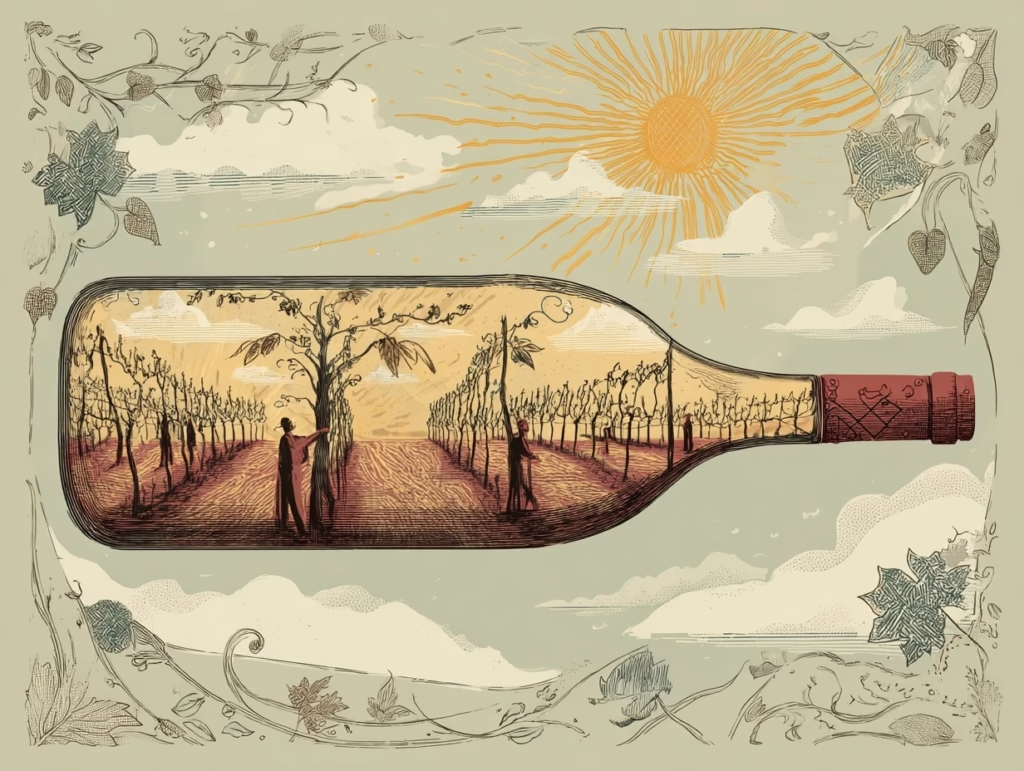
🔬 Native Fermentation & Low Intervention
What makes Sonoma’s storytelling so compelling is this commitment to authenticity over artifice—winemakers who understand that the best stories come from listening to what the land wants to say rather than imposing their own narrative agenda.
🧑🌾 Sustainable and Organic Farming
What makes Sonoma’s storytelling so compelling is this commitment to authenticity over artifice—winemakers who understand that the best stories come from listening to what the land wants to say rather than imposing their own narrative agenda.
🪵 Oak Usage with Restraint
The approach to oak is like having a skilled editor who knows when to enhance and when to step back. Sonoma winemakers use barrels like seasoned storytellers use literary devices—purposefully, elegantly, and always in service of the larger narrative rather than overwhelming it.
🧪 Experimentation & Hybridity
And there’s this beautiful spirit of innovative storytelling that honors traditional narrative structures while experimenting with new techniques. Concrete eggs, carbonic maceration, amphora aging—these are winemakers who respect classic storytelling but aren’t afraid to try new voices when inspiration strikes.
The Bottom Line: Stories Worth Telling (and Retelling) 💫
Here’s what makes Sonoma absolutely irresistible: every bottle tells a story that couldn’t be told anywhere else. While other regions might focus on power or prestige, Sonoma is all about authentic narrative—wines that capture not just the taste of grapes, but the essence of place, weather, soil, and the passionate people who craft each bottle.
These aren’t wines trying to impress you with their pedigree or overwhelm you with their intensity. They’re storytellers that invite you into their world—whether that’s the fog-kissed romance of Russian River Valley Pinot Noir, the sun-drenched optimism of Dry Creek Zinfandel, or the sophisticated elegance of Sonoma Coast Chardonnay.
Your Next Wine Shop Strategy:
- Look for Russian River Valley Pinot Noir when you want emotional storytelling in a glass
- Choose Dry Creek Valley Zinfandel to taste authentic California wine heritage
- Try Sonoma Coast Chardonnay for complex, food-friendly narratives
- Explore Alexander Valley Cabernet for approachable sophistication
Remember: Sonoma isn’t the sidekick in California wine’s story—it’s the master storyteller whose narratives don’t just impress your palate, they connect with something deeper. In a world full of wines trying to tell you how important they are, Sonoma wines simply tell you their authentic stories and trust you to understand why that matters.
And honestly? In a time when authenticity feels increasingly rare, that kind of genuine storytelling is absolutely everything. ✨