Spanish Wine’s Greatest Hits
While France gets all the prestige and Italy…has a lot going on, Spain has been quietly perfecting some of the world’s most exciting wines—from age-worthy Tempranillos that could make Bordeaux jealous to crisp Albariños that taste like a day at the beach.
Here’s what makes Spanish wine so special: Spain has more vineyard acreage than any other nation on Earth, yet it’s been flying under the radar for decades. That means incredible quality at prices that won’t require selling a kidney. We’re talking world-class wines for the cost of a decent dinner out.
Why Spanish Wine Hits Different:
- Climate diversity like nowhere else: From Atlantic-cooled coastlines to scorching Mediterranean heat to high-altitude continental extremes
- Ancient meets modern: Traditional techniques perfected over centuries, plus cutting-edge innovation from passionate young winemakers
- Value that’s almost unfair: Seriously, you can get wines that would cost $60+ from other regions for under $25
- Food pairing magic: Spanish wines are built for the table—they’re designed to make food taste better, not steal the spotlight
Meet Spain’s Grape Squad: The Stars of the Show
The Red Wine All-Stars
- Tempranillo: Spain’s noble grape and the country’s calling card. This chameleon adapts to different regions, creating everything from elegant, age-worthy Riojas to powerful Ribera del Duero blockbusters. Look for flavors of cherry, leather, tobacco, and those signature vanilla notes from oak aging.
- Garnacha (Grenache): The workhorse grape that thrives in Spain’s hot, dry conditions. In the right hands, old-vine Garnacha produces wines of incredible concentration and character—think jammy dark fruit, spice, and that distinctive garrigue herb character.
- Monastrell (Mourvèdre): The heat-lover that dominates southeastern Spain. These wines are powerful, dark, and built to last, with intense blackberry flavors and serious tannin structure.
- Mencía: The elegant rebel from northwestern Spain. Light to medium-bodied with floral aromatics, bright acidity, and surprising mineral complexity.
The White Wine Heroes (Yes, Spain Does Whites!) 🥂
- Albariño: Spain’s answer to great white wine. Grown in the Atlantic-influenced northwest, Albariño delivers crisp citrus flavors with a distinctive saline minerality that screams “drink me with seafood.”
- Verdejo: The star of Rueda, offering bright acidity and herbaceous character that’s like Spain’s take on Sauvignon Blanc—but with more texture and complexity.
- Viura (Macabeo): The backbone of many Spanish white blends, especially in Rioja. Clean, fresh, and food-friendly.
- Godello: The rising star from Galicia, producing mineral-driven whites with serious aging potential.
What Makes Spanish Wine So Extra (In the Best Way)
The Oak Obsession
Spain has a love affair with American oak that’s unmatched anywhere else. While French oak whispers, American oak shouts—adding bold vanilla, coconut, and spice notes that define classic Spanish wine character. The aging classifications (Crianza, Reserva, Gran Reserva) tell you exactly how much oak and time went into your bottle.
High-Altitude Vineyards
Many of Spain’s best wine regions sit at serious elevation—2,000+ feet above sea level. This altitude provides crucial cooling in an otherwise hot country, preserving acidity and creating wines with real structure and aging potential.
Quality Levels (AKA The Wine Hierarchy)
Many of Spain’s best wine regions sit at serious elevation—2,000+ feet above sea level. This altitude provides crucial cooling in an otherwise hot country, preserving acidity and creating wines with real structure and aging potential.
Extreme Climate Adaptation
Spanish viticulture is all about working with extremes. From the bone-dry conditions of Jumilla to the rain-soaked slopes of Rías Baixas, Spanish winemakers have mastered techniques for managing both drought and excess moisture.
The Aging Game
Spain takes wine aging seriously. Traditional bodegas often have vast underground cellars where wines spend years developing complexity. This commitment to aging creates wines with incredible depth and sophistication at relatively modest prices.
Spain’s Wine Map: From Coast to Coast Drama
Spain’s wine regions are shaped by dramatic geography—from Atlantic coastlines to Mediterranean shores to high-altitude plateaus. Think of the country as having several major wine zones, each with its own climate personality and signature styles. Here’s how Spain’s wine map breaks down:
Northern Spain: The Cool Kids Club
- Climate: Cool, wet, Atlantic-influenced
- Major AVAs: Rías Baixas, Ribeiro, Valdeorras, Bierzo, Rioja, Navarra
- Signature: Fresh whites, elegant reds, mineral-driven character
This is where Spain gets cool and crisp. The Atlantic Ocean and mountain ranges create perfect conditions for aromatic whites and food-friendly reds with real finesse.
Central Spain: The High-Altitude Heroes
- Climate: Continental extremes, high altitude, hot days/cool nights
- Major AVAs: Ribera del Duero, Rueda, Toro, La Mancha, Valdepeñas
- Signature: Powerful, structured reds and crisp whites
Spain’s heartland sits at serious elevation, creating intense growing conditions that produce wines with backbone and aging potential.
Eastern Spain: The Mediterranean Mavens
- Climate: Warm Mediterranean, coastal breezes
- Major AVAs: Priorat, Penedès, Catalunya, Cariñena, Calatayud
- Signature: Intense reds, quality sparkling wines, innovative styles
From Barcelona south, this zone combines Mediterranean warmth with varied terrain, creating everything from powerful mountain wines to elegant coastal styles.
Southern Spain: The Heat Wave Champions
- Climate: Hot, dry, semi-arid conditions
- Major AVAs: Jumilla, Yecla, Valencia, Bullas, Almansa
- Signature: Bold, concentrated reds built for heat
Spain’s hottest regions produce wines of incredible intensity and value—perfect for when you want maximum flavor without breaking the bank.
Spanish Wine Labels Decoded: Your Cheat Sheet to Looking Smart
Spanish wine labels can look intimidating with all those unfamiliar terms, but once you crack the code, they’re actually super helpful for understanding what’s in your bottle. Spain has a quality hierarchy that’s similar to France’s system, plus some unique aging classifications that tell you exactly how much time and oak went into your wine. Think of it as the wine equivalent of reading the ingredients list—except way more fun.
Here’s how Spanish wine quality works, from basic to brilliant:
- Vino de Mesa: Basic table wine
- Vino de la Tierra (VdlT): Regional wine with some geographic identity
- Denominación de Origen (DO): Quality wine from specific regions
- Denominación de Origen Calificada (DOCa): Highest quality level (only Rioja and Priorat qualify)
The Spanish Aging Game: Why Crianza > Reserva > Gran Reserva Actually Matters
Here’s where Spanish wine gets really interesting. Most wine regions tell you about grape variety or terroir, but Spain puts the aging information right on the front label. It’s like getting a preview of exactly how much time and attention went into your bottle. These classifications mainly apply to red wines, though some whites and rosés use them too.
Aging Classifications (Mainly for Reds)
- Joven: Young wine, minimal aging
- Crianza: Minimum 2 years aging (1 year in oak)
- Reserva: Minimum 3 years aging (1 year in oak)
- Gran Reserva: Minimum 5 years aging (2 years in oak)
Your Spanish Wine Shopping Strategy (No Wine Store Intimidation Required)
For Wine Newbies (We’ve All Been There)
Start with these crowd-pleasers:
- Rioja Crianza (reliable, food-friendly, shows classic Spanish character)
- Rías Baixas Albariño (crisp, refreshing, pairs with everything)
- Cava Brut (Spanish sparkling that won’t break the bank)
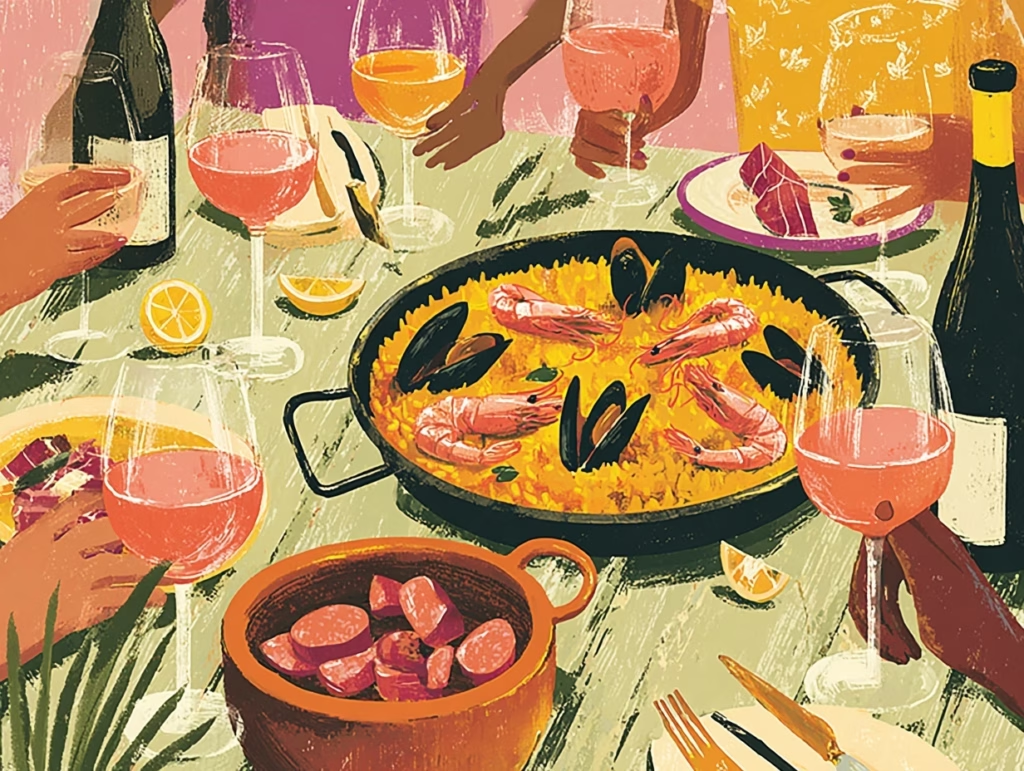
Food Pairing Magic: What Goes with What (No Stress Edition)
Spanish wines are inherently food-friendly, but here are the perfect matches:
- Tempranillo: Grilled meats, aged cheeses, tomato-based dishes
- Garnacha: BBQ, spicy food, hearty stews
- Albariño: Seafood, salads, anything with lemon
- Monastrell: Bold flavors, game meats, dark chocolate
- Cava: Aperitifs, fried foods, celebrations
The Bottom Line: Why Spanish Wine Is Your New Best Friend
Spanish wine offers something for everyone: serious collectors can hunt down age-worthy Riojas and premium Priorats, while everyday wine drinkers can find incredible quality at budget-friendly prices. The country’s diverse geography creates distinct regional personalities, from ocean-kissed Albariños to mountain-grown Tempranillos.
Most importantly, Spanish wines are made for real life—they’re designed to be enjoyed with food, shared with friends, and appreciated without pretension. In a wine world that can sometimes feel intimidating, Spain keeps things delicious and approachable.
¡Salud! 🍷