Your Guide to Italy’s Hidden Wine Gem: Trentino-Alto Adige Wines
If you're ready to discover Italian wine alternatives that go way beyond your typical Chianti, let me introduce you to Italy's most fascinating wine region.
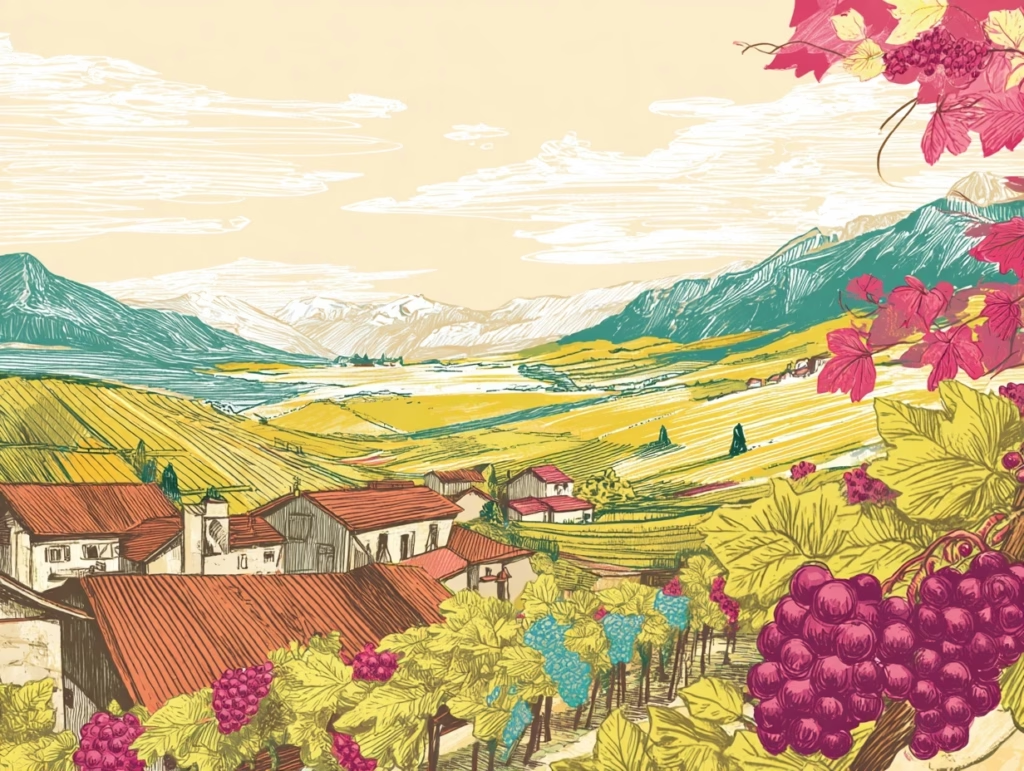
Tucked into Italy’s mountainous north, Trentino-Alto Adige is where Austrian Italian wine border culture creates something completely unique. It’s where soaring Dolomite peaks meet sun-drenched vineyards, where pasta coexists peacefully with pretzels, and where your wine list might swing from Pinot Grigio to a spicy Lagrein within a single meal. I first had the chance to taste a few of these wines at the Wine Spectator Grand Tour a few weeks back—crisp, floral, and unexpectedly complex bottles that made me want to learn more. This is one of Italy’s most unique wine regions and a standout in any Northern Italian wine guide—not just because of what it produces, but because of how its cultural, linguistic, and geographical diversity is poured into every glass.
Let’s explore the region, its climate, and the wines that thrive along its steep cliffs.
🍷 At-a-Glance: Your Trentino-Alto Adige Wine Primer
- Region vibe: Mountain meets Mediterranean, Austrian meets Italian
- Best known for: Crisp, mineral-driven whites and food-friendly reds
- Price range: $15-60+ (excellent value in the $18-25 range)
- Perfect for: Upgrading your weeknight wine game
- Key search terms: Alto Adige DOC, Südtirol, high-altitude Italian wines
Northern Italy’s Best-Kept Wine Secret: Where Austrian Meets Italian
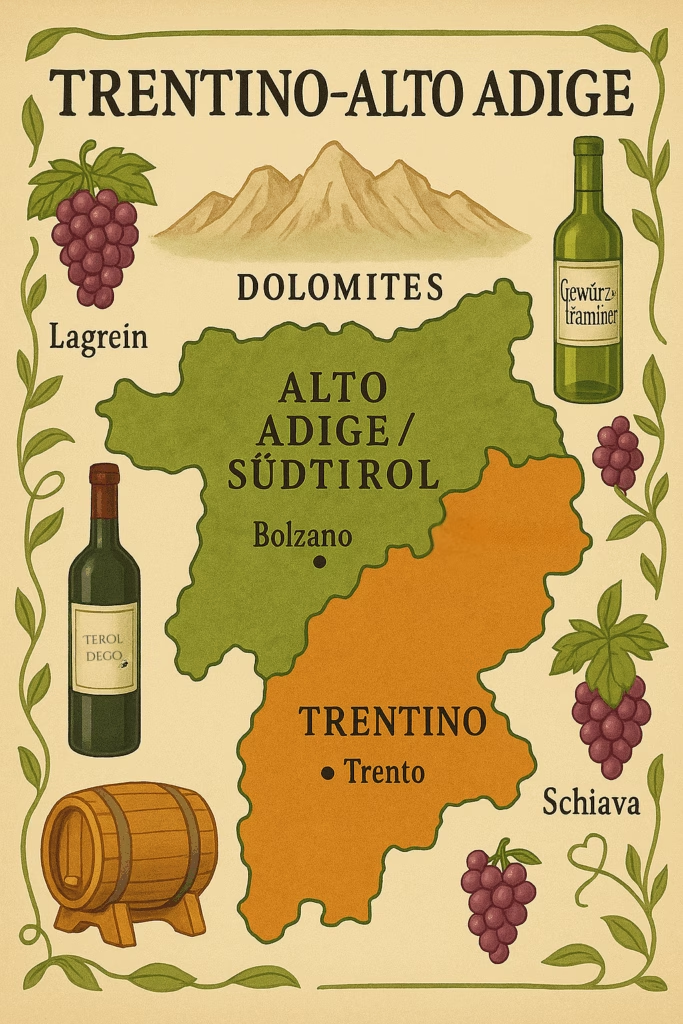
Nestled against the Austrian border, Trentino-Alto Adige is Italy’s northernmost wine region—and one of its most geographically and culturally distinct. This fascinating region appears on every Italian wine regions map as a unique cultural crossroads. The region is split into two autonomous provinces, with contrasting identities: :
- Trentino, the southern portion, is culturally and linguistically Italian.
- Alto Adige (also known as Südtirol), to the north, was part of the Austro-Hungarian Empire until World War I and still maintains strong Germanic roots. German is widely spoken here, street signs are bilingual, and the architecture often looks more Bavarian than Roman.
This dual heritage influences grape choices, winemaking philosophies, and even how wine is labeled. You might see a bottle labeled in Italian as Lagrein Riserva, or in German as Südtiroler Vernatsch. It’s a region with two names, two languages, and one shared love of alpine viticulture.
Why These Mountain Wines Taste Different: The High-Altitude Advantage
The vineyards here range from 600 to 3,000 feet above sea level, with dramatic shifts in elevation even within a single estate. This mountain viticulture and high-altitude wines Italy produces here result in:
- Warm days and cool nights, (i.e., diurnal range) which help preserve acidity and freshness in the grapes.
- Longer ripening seasons, allowing for complex aromatic development without high sugar levels.
- Diverse microclimates, thanks to the interplay of alpine breezes, mountain shadows, and Mediterranean influence from the south.
The soils are just as varied—glacial deposits, volcanic porphyry, limestone, and schist all make appearances—giving winemakers a deep toolkit for crafting site-expressive wines.
In short: this is cool climate Italian wine production with serious finesse, ideal for aromatic whites and fresh, food-friendly reds. This region benefits from dramatic temperature swings—sometimes 40°F between day and night—which is why these mountain viticulture wines maintain such bright acidity and complex aromatics.
🍇 The Complete Guide to Trentino-Alto Adige Wine Varieties
Now that you understand why this region produces such distinctive wines, let’s dive into what actually grows here. This complete guide to Italian wine varieties from the mountains will change how you think about both Italian whites and reds.
Trentino-Alto Adige may be small, but it punches far above its weight in variety and quality. While many wines here are made as single-varietal bottlings—especially in Alto Adige, where precise expressions of grape and site are prized—blends are not uncommon, particularly in Trentino and for everyday drinking wines. These blends can be field blends (just what it sounds like, where multiple varieties are grown and harvested together in a single field) or intentional blends crafted for balance, freshness, and food-friendliness.
Both white and red blends offer a snapshot of regional character and often excellent value.
White Wines That Will Change Your Mind About Italian Whites (About 60% of plantings)
For anyone seeking Italian white wine options beyond the usual suspects, these varieties represent some of the best Italian white wines you can find, especially if you love mineral-driven styles.
Pinot Grigio
This is the superstar grape of Trentino, and it’s a different beast than the mass-market wedding wines you may be used to. High-altitude Pinot Grigio here is crisp, mineral, and often delicately floral—a serious Pinot Grigio alternative to mass-market bottles. Think lemon zest, pear, and mountain air.
Gewürztraminer
In Alto Adige, especially around the town of Tramin (from which the grape gets its name), Gewürztraminer reaches peak expression: lychee, rose petals, and spice wrapped in a rich, golden frame. It’s one of the most intensely aromatic floral wines made in Italy—and one of the few whites that pairs beautifully with spicy cuisine.
Kerner
A cross between Schiava and Riesling, Kerner is a specialty of Alto Adige. It produces vibrant, flowery wines with high acidity and notes of peach, green apple, and herbs—imagine Riesling’s precision with a slightly rounder feel.
Sauvignon Blanc & Müller-Thurgau
Thanks to the cool nights, these aromatic whites thrive in the upper elevations of Alto Adige. Sauvignon Blanc here is snappy and herbal, with gooseberry and alpine herbs, while Müller-Thurgau offers something softer and floral.
Chardonnay
Grown in both provinces, Chardonnay from this region is often unoaked, allowing its purity to shine. Expect notes of green apple, citrus blossom, and flinty minerality.
Hidden Gem Red Wines You Need to Know (About 40% of plantings)
Lagrein
Native to Alto Adige, Lagrein is deep, spicy, and surprisingly fresh. It delivers black cherry, plum, violet, and black pepper, with a structure that ages beautifully. A sleeper hit for lovers of bold yet balanced reds.
Schiava (a.k.a. Vernatsch)
Light, pale, and charmingly retro, Schiava is a traditional grape of Alto Adige that’s making a comeback. It’s a chillable red with notes of strawberry, almond, and dried flowers. Think of it as Italy’s answer to cru Beaujolais.
Teroldego
Trentino’s signature red. Grown mainly in the Rotaliano plain, Teroldego is dark-fruited, earthy, and juicy with brambly notes and soft tannins. It’s structured but approachable—great with grilled meats or hard cheeses.
Pinot Noir
One of the few places in Italy where Pinot Noir (often labeled Pinot Nero) truly excels. Cooler zones like Mazzon and Bassa Atesina produce elegant, perfumed expressions with cherry, rose petal, and forest floor.
🧪 Blending Notes: While varietal reds dominate at the high end, you’ll also find balanced, fruit-forward blends in Trentino made from Merlot, Cabernet, and local grapes like Teroldego. These are typically labeled under IGT or DOC designations and offer excellent value with rustic charm.
🛒 Your Smart Shopping Cheat Sheet
What to Look For:
- Labels saying “Alto Adige DOC” or “Südtirol” = quality guarantee
- Cooperative producers like Kellerei Kaltern, Cantina Terlano, Cavit = consistent value
- Vintage within 2-3 years for whites (except reserves)
- German names on Italian labels = you’re in Alto Adige territory
Budget-Friendly Wins ($15-22):
- Any co-op Pinot Grigio from Alto Adige
- Kellerei Kaltern Schiava
- Cavit Pinot Grigio from Trentino
Step-Up Bottles ($23-35):
- Single-vineyard Pinot Grigio from Terlano or St. Michael-Eppan
- Lagrein from Muri-Gries or Kellerei Bozen
- Gewürztraminer from Tramin village producers
Special Occasion Splurges ($35+):
- Ferrari Trento sparkling wines
- Elisabetta Foradori Teroldego
- Elena Walch premium single vineyards
Wine Label Decoder: What to Look for When Shopping
Trentino-Alto Adige boasts more than 20 DOCs, a high number for such a small region, but three main ones stand out:
- Alto Adige DOC (Südtirol DOC): Covers most of the high-quality wines from the German-speaking north. Known for precision, aromatic whites, and elegant reds.
- Trentino DOC: Covers wines from the southern, Italian-speaking province. More diverse in style, often dominated by co-op producers.
- Teroldego Rotaliano DOC: A tiny but crucial DOC focused on Trentino’s flagship red grape.
Why Co-op Wines from This Region Punch Above Their Weight
One of the defining features of winemaking in Trentino-Alto Adige is the strength and quality of its cooperative wineries. Unlike in other regions where cooperatives might mean lower quality, Italian wine cooperatives in Trentino-Alto Adige are often the gold standard, making this region perfect for Italian wine for beginners who want quality without the premium price tag.
Especially in Alto Adige, where small vineyard holdings are the norm, growers often band together under co-ops like Cantina Terlano, Kellerei Kaltern, and Kellerei Bozen. These aren’t your average bulk wine operations—instead, many are lauded for meticulous vineyard management, high winemaking standards, and consistent quality across a wide range of varietals. In Trentino, larger co-ops like Cavit and Mezzacorona dominate production and offer excellent value wines, including blends and sparkling wines under the Trento DOC. The co-op model not only helps preserve family viticulture but ensures economic stability and elevates regional identity.
Winemaking Styles and From Traditional to Cutting-Edge: How These Wines Are Made
The winemaking philosophy in Trentino-Alto Adige blends Alpine precision with Italian expression. While modern techniques and clean, fresh styles dominate, there’s growing diversity in both approach and ambition.
✨ Clean, Fresh, and Varietally Expressive
Most producers focus on single-varietal wines that highlight freshness, minerality, and purity of fruit. Stainless steel fermentation is common—especially for whites like Pinot Grigio, Kerner, and Sauvignon Blanc—to preserve aromatics and crispness. Whites tend to be fermented cool and bottled young, while reds like Schiava and Pinot Noir are often made in a light, food-friendly style with minimal oak.
🪵 Selective Use of Oak
Wines like Lagrein and Teroldego are more structured and can benefit from oak aging, which is typically done in large neutral casks (botti) or used barriques to avoid overpowering the fruit. Winemakers walk a fine line—seeking complexity without obscuring freshness.
🍾 Sparkling Wine Under Trento DOC
Trentino is home to one of Italy’s premier traditional-method sparkling wine zones: Trento DOC. Here, Chardonnay and Pinot Noir are crafted into refined Italian sparkling wines using the same method as Champagne (here, referred to as metodo classico). Top houses like Ferrari Trento age their wines extensively on lees, producing bubbles with brioche, almond, and citrus peel complexity.
🌿 Organic, Biodynamic, and Amphora Wines
A growing number of producers—particularly small estates and pioneers like Elena Walch and Elisabetta Foradori—are embracing biodynamic practices (a holistic farming approach that aligns vineyard work with lunar cycles and emphasizes soil health and biodiversity), native yeast fermentation (using the naturally occurring yeasts on grape skins rather than inoculated commercial strains), and low-intervention techniques. These organic Italian wines offer more texture, funk, and individuality, appealing to natural wine fans without sacrificing regional character.
🔬 Precision Agriculture and Mountain Microclimates
In Alto Adige especially, winemaking is increasingly data-driven and site-specific. Many producers use precision viticulture, tailoring practices down to the parcel level. High-altitude farming, manual harvesting, and gravity-flow wineries are common, enabling delicacy even in rich varietals like Gewürztraminer.
What to Pair with Wines of Trentino-Alto Adige: German-Italian Signatures
The food here is just as fascinating as the wine—blending Alpine heartiness with Italian finesse. Pairings include:
- Gewürztraminer with speck and alpine cheeses.
- Schiava with roast chicken or trout.
- Lagrein with venison or mushroom risotto.
- Pinot Grigio with asparagus or grilled vegetables.
- Teroldego with aged cheeses or lamb chops.
What to Pair with Wines of Trentino-Alto Adige: German-Italian Signatures
The best part about these food-friendly Italian reds and whites? They’re incredibly versatile at the table, reflecting the region’s unique blend of Alpine and Mediterranean influences. The food here is just as fascinating as the wine—blending Alpine heartiness with Italian finesse. Pairings include:
- Gewürztraminer with speck and alpine cheeses.
- Schiava with roast chicken or trout.
- Lagrein with venison or mushroom risotto.
- Pinot Grigio with asparagus or grilled vegetables.
- Teroldego with aged cheeses or lamb chops.
Why It Matters
In a country as vinously rich as Italy, Trentino-Alto Adige might not be the first name that comes to mind—but it should be. Its wines are mountain-born, acid-driven, and as complex as the region’s culture. They reflect a sense of place that’s as much about cultural crossover as terroir.
Whether you’re sipping a mineral Chardonnay from Trentino or a peppery Lagrein from Alto Adige, you’re tasting a region that doesn’t choose between its Germanic past and Italian present. It bottles both.