Uruguay in a Glass: Alto de la Ballena at Grand Cata, La Cosecha
Tucked into the lively La Cosecha market in D.C.’s Union Market District, Grand Cata is a small but mighty portal into wine from South America (and beyond). With curated selections from Argentina to the Canary Islands, and a heart for community, it’s one of few places in Washington, D.C. where you can sip and swirl your way across South America without leaving the zip code.
So when Paula Pivel, co-founder and winemaker at Alto de la Ballena in Uruguay, came to pour her wines, I was ready, glass-in-hand to hear her terroir-driven story.
Alto de la Ballena: A Whale in the Mountains
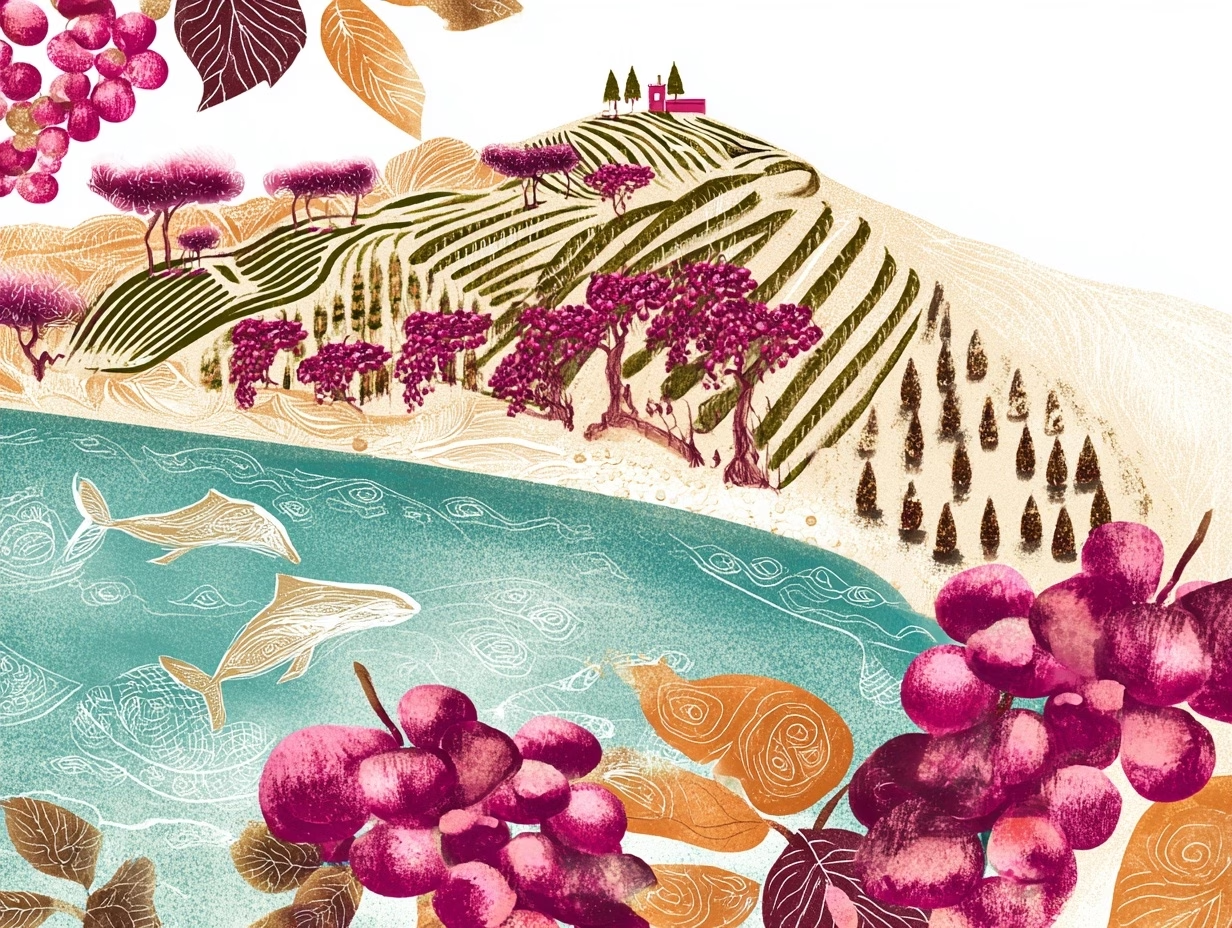
Alto de la Ballena—Spanish for “Heights of the Whale”—sits in the Sierra de la Ballena hills of Maldonado, a region in Uruguay that was long overlooked by the country’s wine world. While Uruguay already had a wine scene when Paula Pivel and her husband Alvaro Lorenzo first scoped the area in the early 2000s, it was concentrated in and around Canelones and Montevideo. But, the region featured poor, rocky soils; steep slopes; and harsh coastal winds. In other words: it was perfect for winemaking. The very things that make farming difficult are often what make for exceptional wine.
They planted their first vines in 2001, making them pioneers of the Maldonado movement. Their aim wasn’t mass production but precision and place—wines that reflected the harsh beauty of their land, made with minimal intervention and maximum heart.
A Six-Wine Journey Through Uruguay’s Maldonado Region
At the tasting, Paula poured six wines that showcased the range and elegance of Alto de la Ballena’s small but mighty portfolio:
- A Viognier, rare in Uruguay and dazzlingly fresh with puckering acidity but a round mouthfeel from lees aging. Somewhat less floral than the Virginia counterparts I was familiar with, but more fruit forward on the palate.
- A Merlot–Cabernet Franc–Tannat blend, soft and structured, think Uruguay’s answer to a red Bordeaux blend, with plush Merlot balancing out highly tannic Tannat (Uruguary’s signature grape).
- A Tannat–Viognier co-ferment, wild and textural, perhaps my favorite of the bunch with Viognier adding levity and floral complexity to Tannat’s tannic punch.
- A Cabernet Franc, surprisingly nimble with robust red fruits and baking spices from aging in American oak.
- The Cetus Cuvée, a complex red flagship, again with Tannat and Merlot–but this time with Syrah swapping in for Cabernet Franc.
- And the Cetus Syrah, a standout showstopper with signature black currant and brambles paired with tobacco and black pepper, marked by its cool-climate, high altitude, and high-concentration production influences.
Paula Pivel: A Winemaker with Vision
There’s the technical precision listening to Paula speak about wines (altitude, soil, blending), but there’s also the poetry. She’s as excited about texture as she is about tannin. That philosophy—farming with intention, making wine with restraint—is why Alto de la Ballena has become one of Uruguay’s most compelling boutique producers. And it’s why tastings like this one at Grand Cata are so special. It’s not every day you get to travel via tastebud, from D.C. to the Sierra de la Ballena, in just six pours.
If you’re curious where to start, look no further than the Tannat–Viognier blend and the Cetus Syrah., my two favorites of the lot . The first, a dance between Tannat’s grippy tannins and Viognier’s flowery delicacy and the latter an ode to the Rhône-style elegance what the cool, breezy Maldonado microclimate and heights can produce. They’re two sides of the same coin: vibrant, volcanic, and unmistakably Uruguayan.
A Whale of a Discovery
Uruguay may be a tiny player on the global wine map, but tastings like this remind us why it deserves a bigger spotlight. With high-altitude sites, Atlantic influences, and winemakers like Paula Pivel taking bold but thoughtful risks, it’s a region to watch—and sip.