Was There Wine at the First Thanksgiving?
The truth about what the Pilgrims were actually drinking in 1621
Every November, we’re all out here carefully selecting the perfect wines to pair with turkey, debating whether to go red or white, and strategizing our Thanksgiving wine lineup. But have you ever wondered what the Pilgrims were drinking at that very first Thanksgiving back in 1621?
Sadly for them, it was almost definitely not wine. And honestly, their beverage situation was kind of tragic.
The Wine Didn’t Make It
Here’s the thing—the Pilgrims did bring wine on the Mayflower, because even in 1620, people understood that wine made life better. But by the time they landed in Plymouth and celebrated that first harvest feast in autumn 1621, their wine supplies were long gone. Think of it like packing your favorite snacks for a road trip, except the trip takes 66 days across a stormy ocean in cramped, miserable conditions, and then you’re stuck in a new place struggling to survive for over a year before throwing any kind of celebration. Yeah, those snacks didn’t make it.
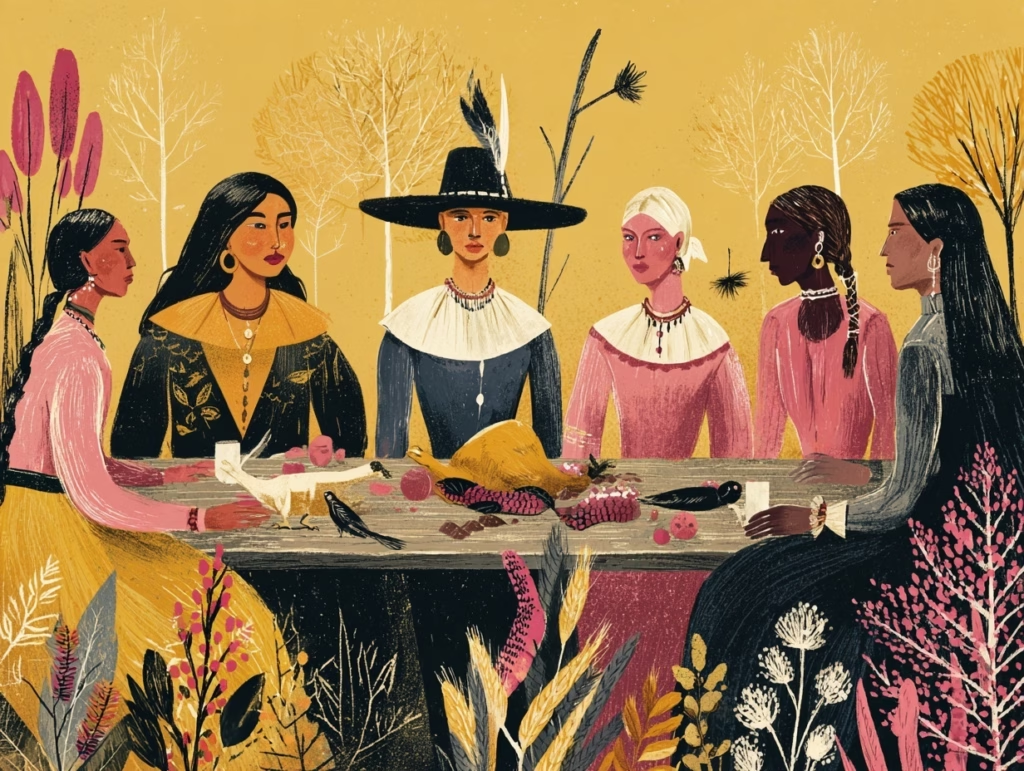
The Pilgrims had more pressing concerns than preserving their wine reserves—like, you know, not dying. Wine was a luxury they simply couldn’t maintain through that first brutal year. By the time they gathered with the Wampanoag people for that three-day harvest celebration, any wine they’d brought had been consumed long ago or had turned to vinegar.
Why Didn’t They Just Make More Wine?
You’d think the obvious solution would be to just grow some grapes and make their own wine, right? Wrong. As I mentioned this summer’s post about colonial wine culture and what Paul Revere was drinking, early American winemaking was a bit of a disaster. The Pilgrims and other colonists tried desperately to grow European grape varieties, but New England’s climate, combined with unfamiliar pests and diseases, destroyed their vineyard dreams faster than a monstera in a lightless apartment.
Native grapes like Scuppernong did exist, but they produced wines with flavors that were, shall we say, an acquired taste—and not the kind anyone was rushing to serve at special occasions. Wine production in America wouldn’t become viable for decades, and even then, colonists mostly relied on imported wine rather than local production.
So What Were They Actually Drinking?
The beverage situation at the first Thanksgiving was decidedly less glamorous than your modern wine-paired feast. Beer was almost certainly the star of the show—it was the Pilgrims’ everyday drink, safer than water and much easier to produce than wine. The Pilgrims had brought beer-making supplies on the Mayflower and made brewing a priority once they settled.
They also had access to fresh water from Plymouth’s springs, which was a luxury since water in many European cities at the time was dangerously contaminated.
The Pilgrims may have had some distilled spirits on hand—early versions of brandy or aqua vitae—but these were typically reserved for medicinal purposes. Whether the first Thanksgiving qualified as “medicinal” is up for debate.
The Wampanoag people, who made up the majority of attendees and were crucial to the Pilgrims’ survival, had their own beverage traditions that didn’t include wine. They had knowledge of fermented drinks and various teas made from local plants, contributing their own drinking culture to the celebration.
When Did Wine Actually Become Part of Thanksgiving?
It took a few decades for wine to become part of colonial American celebrations. By the late 1600s and into the 1700s, wealthy colonists were importing fortified wines from Europe for special occasions. Madeira became the MVP of colonial drinking culture because it was basically indestructible—it could survive those brutal transatlantic journeys without turning into expensive vinegar. Thomas Jefferson was obsessed with it, and George Washington served it at state dinners.
But Thanksgiving as the wine-paired, turkey-centric holiday we know today? That’s a much more recent invention. The holiday wasn’t even officially recognized until President Lincoln declared it a national holiday in 1863. Modern Thanksgiving wine pairing guides are definitely a 20th and 21st-century luxury that the Pilgrims couldn’t have imagined.
What This Means for Your Table Today
Here’s the beautiful part: we’re not limited to beer and spring water anymore. Today’s Thanksgiving gives you the perfect excuse to pour wines that would make the Pilgrims weep with envy. While they were making do with whatever beer they could brew and hoping their water supply stayed clean, you get to choose between an elegant Oregon Pinot Noir, a buttery Napa Chardonnay, or even some celebratory Champagne.
The first Thanksgiving probably looked nothing like our modern celebration—no wine, no cranberry sauce from a can, no passive-aggressive comments about career choices and the prospect of grandkids. But that’s actually kind of perfect. Today’s Thanksgiving traditions are all about bringing people together over good food and drink, celebrating abundance and community. The Pilgrims and Wampanoag were doing exactly that with what they had available, and we’re continuing that tradition…just with significantly better beverage options.
So this Thanksgiving, pour something delicious, be grateful for modern wine distribution and global trade, and raise a glass to the fact that we live in an era where your biggest holiday beverage decision is “which of the wines from my earlier recommendations should I open first?” instead of “is this water going to kill me?” The Pilgrims would have poured wine if they could have. Lucky for us, we can.
Cheers to progress, better beverage options, and Thanksgiving celebrations that actually include wine! 🍷🦃