What does it mean to soften tannins?
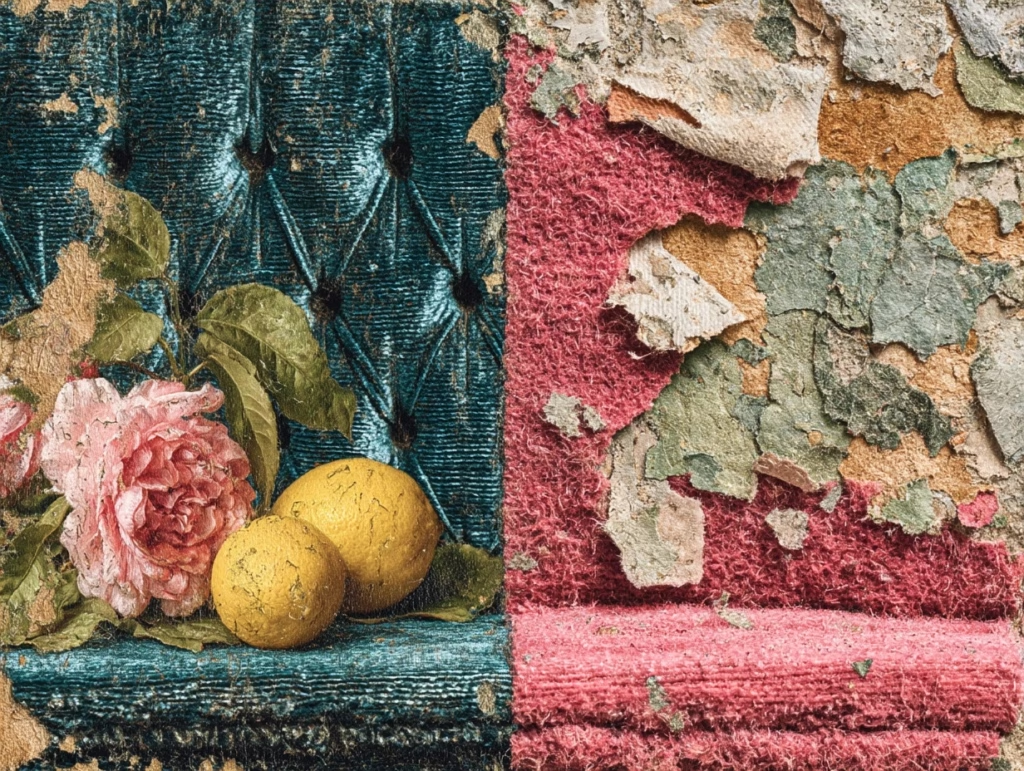
When someone says a wine’s tannins are softening, they’re talking about a transformation in texture. Young tannins can feel astringent—grippy, drying, or even bitter. As a wine ages, those same tannins mellow out. They start to feel smoother, rounder, silkier. Less like a sandpaper handshake and more like a velvet hug.
If you read my recent on tannins (aka the stuff in red wine that makes your tongue and gums feel like the sahara), you know that tannins give wine structure and texture. But what happens when people say those tannins will soften over time?
Let’s break it down—no wine science degree required.
What does it mean when tannins “soften”?
When someone says a wine’s tannins are softening, they’re talking about a transformation in texture. Young tannins can feel astringent—grippy, drying, or even bitter. As a wine ages, those same tannins mellow out. They start to feel smoother, rounder, silkier. Less like a sandpaper handshake and more like a velvet hug.
This softening is one of the reasons people age red wines—it turns bold, broody bottles into graceful, nuanced sippers.
How do tannins actually soften?
There are two main things at play:
1. Polymerization (aka tannins bonding to one another):
Over time, tannin molecules start linking together to form long chains. As these molecules bond and get bigger, they feel less astringent on your palate. Bigger tannins = softer texture. Think of it like Legos snapping together to make a smoother structure.
2. Sediment Drop
Some of those bonded tannins eventually get heavy enough to fall out of the wine entirely, forming sediment at the bottom of the bottle. Less tannin in the wine = less grip on your tongue.
So yes—this softening is a real, chemical process. It’s not just wine people being poetic (though, let’s be honest, that happens too).
What wines benefit most from tannin softening?
Wines with naturally high tannins are the main candidates for this glow-up:
- Cabernet Sauvignon
- Nebbiolo (Barolo, Barbaresco)
- Syrah/Shiraz
- Tannat (it’s in the name!)
These wines can feel tough when young but become silky with age. That’s why people cellar them—and why vintage matters when you’re shopping.
Can tannins soften in younger wines?
To a degree, yes. Winemakers can “soften” tannins before the bottle hits the shelf using a few tricks:
- Oak aging: Oak barrels naturally soften tannins and add extra texture.
- Micro-oxygenation: Tiny amounts of oxygen introduced during aging help tannins bond and mellow—kind of like speeding up the aging process.
- Blending: Adding grapes with softer tannins (like Merlot or Grenache) can round out a blend.
And here’s a pro tip for home: decanting can help too. Pouring a young red into a decanter (or even a large glass and giving it a good swirl) exposes it to oxygen, which starts the same kind of softening process. It won’t replicate years in a cellar, but it can take the edge off those grippy tannins and open up the wine’s aromas and texture. If a wine tastes tight, closed-off, or a little too firm—give it some air and watch it relax.
So should I age all my wines?
Definitely not. Most wines are meant to be drunk young and fresh. But for those with the structure to age—yes, tannin softening is part of the magic. It’s why an older Barolo can feel silky and hauntingly complex compared to its intense, tight younger self.
Think of it like cheese: fresh goat cheese vs. aged cheddar. Both have their place, but age brings a totally different vibe.