What Does “Jammy” Wine Actually Mean? Your Guide to Fruit-Forward Reds
Ever had a sommelier describe a wine as “jammy” and wondered if they were literally talking about grape jelly?
I’m kicking off my Bonne Maman 12 days of Christmas calendar today (yes, I’m that person who gets genuinely excited about tiny jam jars), and between the cherry preserves and fig spread, the word “jammy” kept popping into my head. It reminded me that this is one of those wine terms that sounds simple but can be pretty confusing if you’re new to wine tasting. So let’s break down what “jammy” means when we’re talking about wine—and why it’s not just wine speak for “tastes like Smucker’s.”
What Does Jammy Wine Mean?
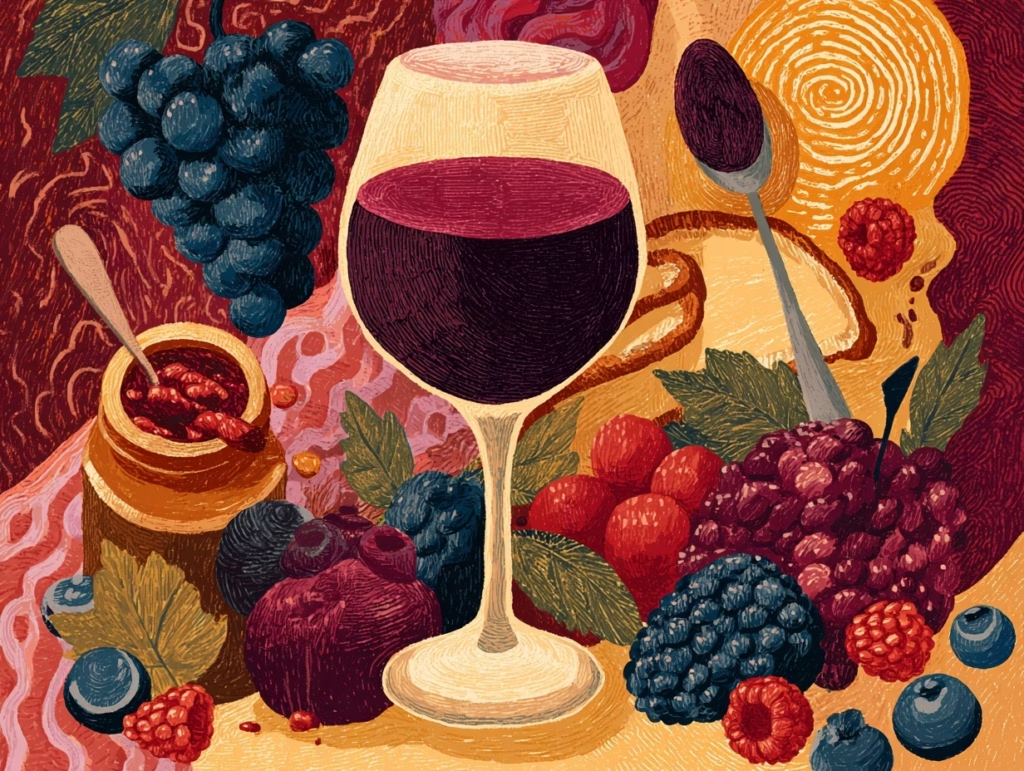
When wine experts call a wine “jammy,” they’re describing intense, concentrated fruit flavors that remind you of cooked or preserved fruit rather than fresh berries. Think the difference between biting into a fresh strawberry versus spreading strawberry jam on toast.
The key characteristics:
- Super ripe fruit flavors – blackberry, blueberry, cherry, or plum that taste almost candied
- Sweetness perception – even if the wine is technically dry, all that fruit makes it taste sweet
- Low acidity – jammy wines feel rounder and softer rather than crisp and bright
- Full body – these wines have weight and richness, like velvet in your glass
It’s basically the wine equivalent of a maximalist aesthetic—more is more, and subtlety took a vacation.
Jammy Wine vs. Actual Jam: What’s the Connection?
Here’s where it gets interesting. Jammy wines don’t actually taste like you’re drinking grape jelly (thank goodness), but they share some DNA with your favorite preserves:
How They’re Similar:
- Both feature concentrated, cooked fruit character
- Sweetness is front and center
- Dense, rich texture rather than light and refreshing
- Flavors feel intense and almost syrupy
The Big Difference: Jammy wines are still wine—they have alcohol, tannins, and complexity that jam obviously doesn’t. The fruit concentration just makes them taste indulgent and fruit-forward rather than balanced or mineral-driven.
What Makes a Wine Jammy?
Jammy wines aren’t accidents—they’re the result of specific conditions in the vineyard and cellar:
- Climate: Warm, sunny growing regions produce super-ripe grapes with higher sugar content. California, Australia, and Argentina are jammy wine central.
- Harvest timing: Grapes picked later in the season = riper fruit = jammier flavors. Some winemakers intentionally wait for this intensity.
- Winemaking choices: Extended maceration (soaking grape skins in juice) extracts more color, flavor, and tannins, amping up that concentrated fruit character.
Which Wines Are Typically Jammy?
If you’re hunting for that fruit-bomb experience (or trying to avoid it), here are the usual suspects:
The Jammiest of the Jammy:
- Zinfandel – California’s jammy superstar with blackberry and raspberry jam vibes
- Shiraz/Syrah – Especially from Australia, think blueberry compote meets black pepper
- Malbec – Argentine versions bring plum and blackberry jam intensity
- Petite Sirah – Dense, dark, and seriously fruit-forward
- Grenache – When from warm climates, Grenache gets super jammy with strawberry notes
Sometimes Jammy:
- Cabernet Sauvignon – Napa Cabs can lean jammy, Bordeaux stays more restrained
- Merlot – Ripe styles taste like plum jam with chocolate
When to Reach for Jammy Wines
Jammy wines aren’t everyone’s everyday vibe, but they absolutely have their moment:
- BBQ season – Those concentrated fruit flavors stand up to smoky, charred meats and sweet sauces
- Hearty winter dishes – Braised short ribs, beef stew, and rich pasta need a wine with equal intensity (jammy wines featured so heavily on my winter top five)
- Cheese boards – Pair with aged cheddar, gouda, or blue cheese
- When you want something indulgent – These wines can feel like a dessert in themselves
Is “Jammy” a Bad Thing?
Here’s the thing: wine snobs love to debate this, but the real answer is…it depends on what you like.
The “jammy is bad” crowd says:
- It’s too obvious and lacks nuance
- The wine is unbalanced or over-ripe
- It masks terroir and winemaking skill
- Real wine connoisseurs prefer elegance and restraint
The “jammy is delicious” crowd says:
- It’s approachable and crowd-pleasing
- Fruit-forward doesn’t mean low-quality
- Not everyone wants a mineral, austere wine, at least not with every meal
- There’s room for both styles in your wine rotation
The truth? Jammy wines aren’t inherently good or bad—they’re just a style. Some are beautifully made examples of fruit intensity; others are poorly balanced sugar bombs. Just like some elegant, restrained wines are gorgeous expressions of terroir, while others are thin and boring.
The wine world has historically looked down on jammy wines as “less sophisticated,” but that’s gatekeeping nonsense. If you love a fruit-forward Zinfandel with your burger, drink it proudly. If you prefer a structured Bordeaux, do that instead. Your palate, your rules.
💡 Pro tip: The key is balance. A well-made jammy wine should still have structure, acidity, and complexity—just with that concentrated fruit dialed up. A poorly made one tastes like alcoholic grape juice.
The Bottom Line
“Jammy” is just a winemaking style. Some wine lovers go wild for that fruit-forward intensity, while others prefer more restrained, elegant expressions. Neither is better; it’s just about knowing what you want.
Next time you see “jammy” on a tasting note, you’ll know exactly what to expect: a wine that’s ripe, rich, and ready to make your taste buds very happy (or overwhelm them, depending on your preference). Either way, at least now you’re in on the secret.
🛍️ Shopping tip: Look for wines from warm climates with high alcohol content (14%+) for maximum jamminess. If that’s not your thing, seek out cooler-climate versions of the same grapes—they’ll give you fresh fruit instead of fruit preserve vibes.
Recommendations: Jammy Wines Done Right
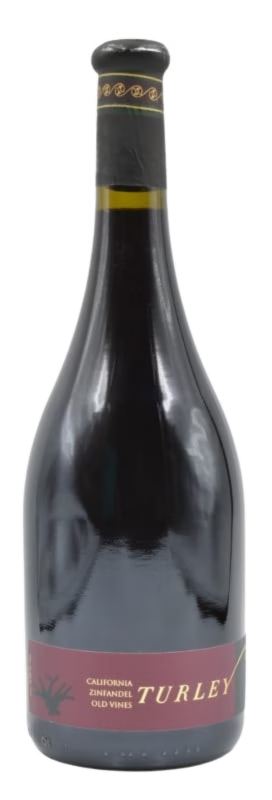
Turley Wine Cellars, Old Vines Zinfandel ($45-55) – Turley is basically the poster child for unapologetically jammy Zinfandel, and wine critics love them. It’s like opening a jar of the most luxurious blackberry preserves you’ve ever tasted, but with structure and complexity that keeps it interesting. The nose explodes with ripe blackberry, raspberry jam, and a touch of that Bonne Maman-style sweetness, but then you get layers of baking spice, vanilla, and a whisper of black pepper on the palate. Turley doesn’t apologize for being jammy—they lean all the way in while maintaining balance and a real sense of terroir from their old vines. It’s full-bodied and lush (hello, 15%+ alcohol), but there’s enough acidity and tannin structure to keep balance things out. The finish lingers with dark fruit and warm spice, making you want to immediately take another sip. I paired this with BBQ short ribs and it was an absolute match made in heaven—the concentrated fruit stood up to the char and sweet sauce without getting lost.