What is a Liqueur? The Sweet Spot Between Wine and Spirits
A liqueur is essentially a sweetened spirit that's been infused with flavors—fruits, herbs, spices, or even chocolate. Unlike wine (fermented grapes) or straight spirits (pure distilled alcohol), liqueurs get their character from this flavor infusion process. In the US, liqueurs must contain at least 2.5% sugar by weight and have minimum 15% ABV to qualify legally.
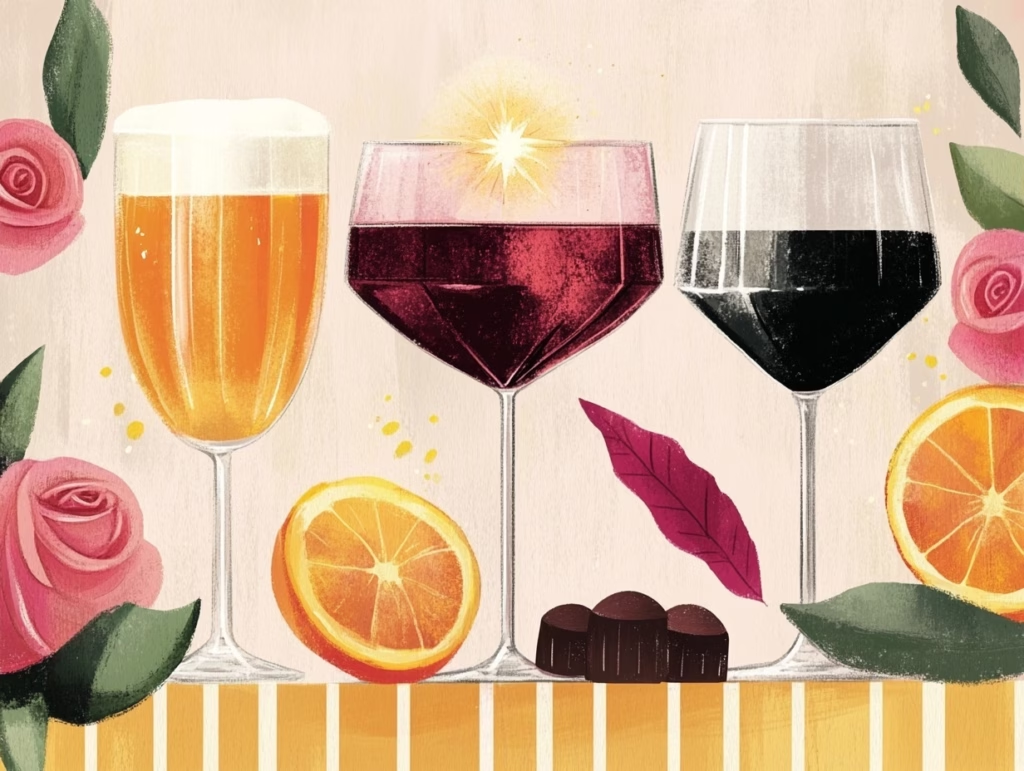
Ever stood in the liquor aisle wondering why Baileys lives next to whiskey while wine coolers chill with the beer? Or why some bottles hide behind the counter while others chill at Target? Welcome to liqueurs—the Goldilocks of alcoholic beverages that’s not quite wine, not quite spirits, but perfect for upgrading your cocktail game.
Think of liqueurs as the dessert course of the alcohol world: sweet, indulgent, and designed to make everything a little more special.
What Exactly Is a Liqueur?
A liqueur is basically a sweetened spirit that’s been infused with flavors—fruits, herbs, spices, or even chocolate.
The liqueur formula:
- Base spirit (vodka, brandy, or rum)
- Sweetening agent (sugar, honey, or fruit)
- Flavoring ingredients (anything from vanilla to rose petals)
- Time for all those flavors to become besties
Unlike wine (fermented grapes) or straight spirits (pure distilled alcohol), liqueurs get their character from this flavor infusion process.
Where Liqueurs Fit on the Alcohol Spectrum
Picture alcohol as a sliding scale of strength:
| Category | ABV | Examples |
| Beer | 3-12% | Budweiser, craft IPAs |
| Wine | 8-15% | Chardonnay, Pinot Noir |
| Liqueurs | 14-40% | Baileys, Mr. Black, Grand Marnier |
| Spirits | 40+% | Vodka, whiskey, gin |
Liqueurs occupy that sweet spot between wine and hard liquor—strong enough to warm you up, sweet enough to feel like a treat.
Liqueur Legal Requirements: The Rules
Just like wine labels have strict requirements, liqueurs must meet specific requirements:
In the US, liqueurs must:
- Contain at least 2.5% sugar by weight (no sugar = not a liqueur)
- Have minimum 15% ABV (lower = wine product)
- Use approved ingredients and FDA-regulated processes (no sketchy additives)
- Include clear labeling for alcohol content
This sugar requirement is why Chambord tastes like liquid candy while your dry Chardonnay doesn’t—that sweetness is literally required by law.
Where You Can Buy Liqueurs
Ever wonder why you can grab wine at grocery stores but need a liquor store run for Grand Marnier? It’s all about alcohol content and state laws:
Grocery Store Territory:
- Lower-proof liqueurs (15-20% ABV)
- Wine-based liqueurs
- Sometimes cream liqueurs like Baileys
Liquor Store Only:
- Higher-proof liqueurs (25% ABV+)
- Most traditional liqueurs
- Anything your state considers “hard liquor”
State laws vary wildly—California’s pretty chill while Pennsylvania treats anything stronger than beer like classified intel. Know your local rules before planning that cocktail party!
Types of Liqueurs: Find Your Personality Match
Fruit Liqueurs, The Popular Girl
- Examples: Cointreau, Chambord, peach schnapps
- Perfect for: Cocktail mixing, sipping with dessert
Herbal Liqueurs, The Mysterious Exchange Student
- Examples: Chartreuse, Jägermeister, Bénédictine
- Perfect for: Digestifs, impressing wine nerds
Cream Liqueurs, The Comfort Friend
Nut/Spice Liqueurs, The Artisanal Barista
- Examples: Frangelico, amaretto, coffee liqueurs
- Perfect for: After-dinner sipping, baking projects
Liqueurs vs Wine: Key Differences
If wine is yoga (natural, pure, focusing on the grape’s essence), liqueurs are like a full spa treatment (enhanced, sweetened, maximum indulgence).
Wine characteristics:
- Made from fermented grapes
- Alcohol from natural fermentation
- Generally dry to off-dry
- 8-15% ABV
Liqueur characteristics:
- Flavors added to existing spirits
- Higher alcohol from added spirits
- Sweetness required by definition
- 15-40% ABV
Smart Liqueur Shopping Guide
- For Cocktail Beginners: Start with classics: Cointreau (margaritas), Grand Marnier (fancy margaritas), Mr. Black (espresso martinis that’ll change your life).
- For Wine Lovers: Try fortified wines first—Port, Sherry, or sweet Vermouth are perfect training wheels between wine and liqueurs.
- For Sweet Wine Fans: Go fruit-forward with Chambord or St-Germain (elderflower liqueur that tastes like spring in a bottle).
- Budget-Friendly Options: Amaretto and peach schnapps won’t break the bank and last forever since you use small amounts.
Why Liqueurs Should Be Your Next Wine Adventure
Liqueurs offer incredible versatility—they’re perfect for cocktails, amazing with dessert, and ideal for those cozy winter nights when wine feels too light. Plus, one bottle goes a long way since most recipes call for just an ounce or two.
Whether you’re upgrading your home bar, looking for the perfect digestif, or trying to understand why that bottle of Chartreuse costs more than your usual Pinot Grigio, liqueurs bridge the gap between wine’s elegance and spirits’ intensity.