What Makes Wine Buttery? The Science Behind That Popcorn Flavor in Your Chardonnay
That “buttery” note in certain wines, especially chardonnay, is the result of specific winemaking choices, most notably malolactic fermentation.
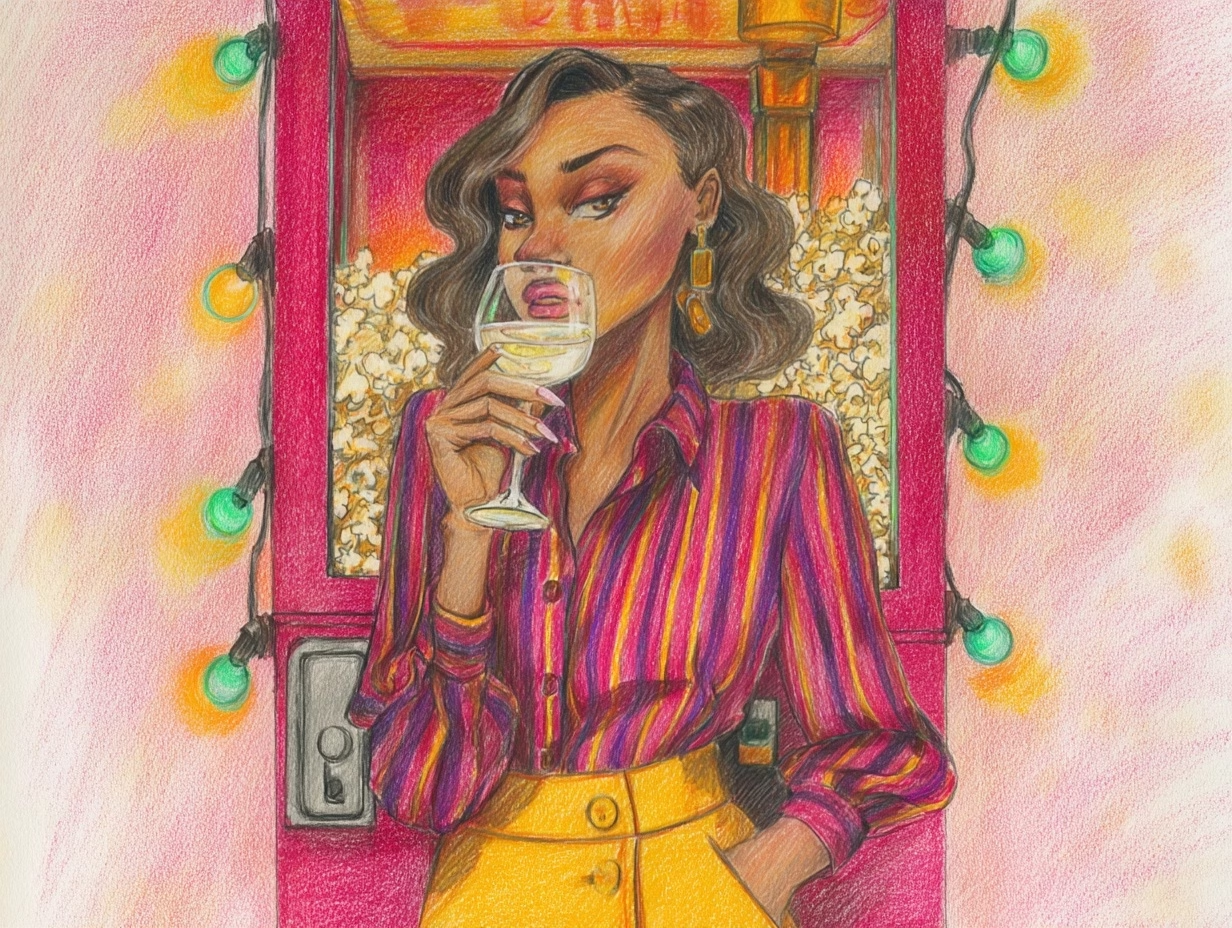
Ever take a sip of Chardonnay and think “this literally tastes like movie theater popcorn”? You’re not hallucinating—that buttery wine flavor is 100% real and totally intentional. It’s like your wine went through its own glow-up, transforming from sharp and sassy to smooth and creamy. Let’s break down exactly what makes wine buttery and why some bottles give you major comfort food vibes.
The Quick Answer: What Causes Buttery Wine?
Buttery wine comes from three main sources:
- Malolactic fermentation (the main culprit)
- Oak barrel aging (adds richness and vanilla notes)
- Lees stirring (creates that creamy texture)
Think of it as wine’s version of a spa day—these processes literally soften everything up.
Malolactic Fermentation: The Butter Maker
Here’s where the magic happens. Malolactic fermentation (MLF) is basically wine’s second fermentation, where bacteria convert sharp malic acid (think green apple tartness) into softer lactic acid (the same stuff in milk and yogurt). It’s like wine’s personality doing a complete 180 from Regina George to golden retriever energy.
During this process, a compound called diacetyl forms—and this is your buttery flavor hero. Diacetyl is literally what makes movie theater popcorn taste so addictive, so when you get those notes in wine, your brain is like “I know this flavor!”
Which Wines Get the Buttery Treatment?
Wines that commonly undergo malolactic fermentation:
- California Chardonnay (the butter queen)
- White Burgundy (France’s elegant butter)
- Australian Chardonnay (tropical butter vibes)
- Some Viognier and white Rhône blends
Wines that skip the butter:
- Chablis (keeps it crisp and mineral)
- New Zealand Sauvignon Blanc (all about that zippy freshness)
- Albariño (ocean breeze, not butter)
- Vinho Verde (spritz over cream)
Oak Aging: Adding the Toast to Your Butter
While MLF provides the butter, oak barrels bring the toast. It’s like the perfect brunch combo—you need both for the full experience. New oak barrels add flavors of vanilla, baking spices, and caramel, which play beautifully with those buttery notes.
The wood also allows tiny amounts of oxygen to interact with the wine (called micro-oxygenation), which softens tannins and creates that rich, round mouthfeel. It’s basically wine’s version of a slow-cooked comfort meal.
Lees Stirring: The Texture Game-Changer
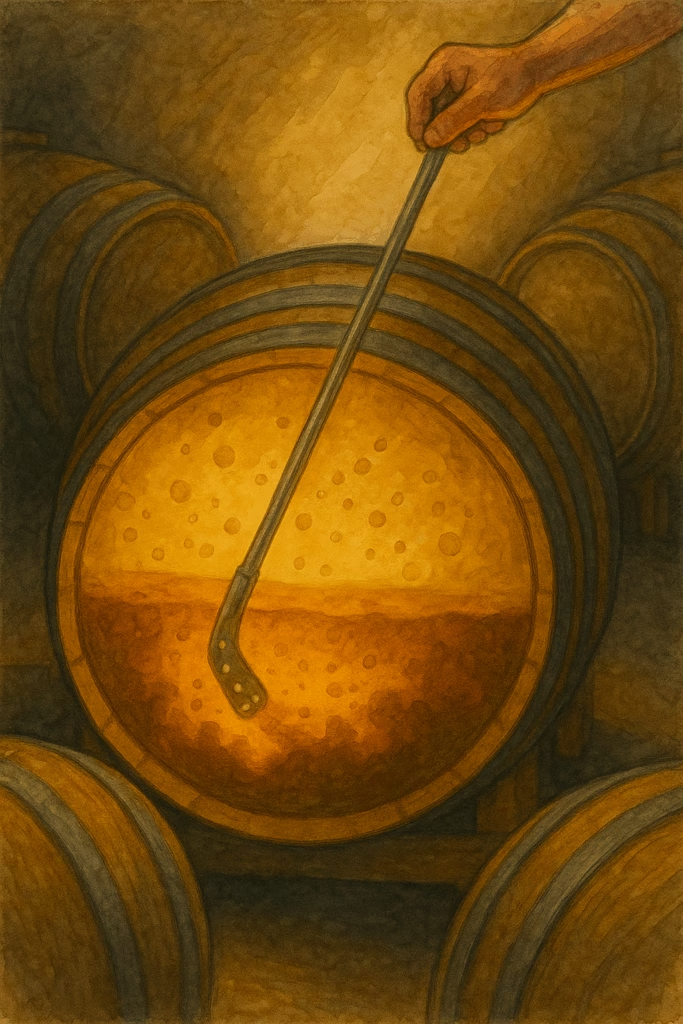
Lees aging is when wine chills with the dead yeast cells from fermentation—sounds gross, but it’s actually genius. When winemakers stir these lees (a process called bâtonnage), it creates a creamier texture and adds subtle nutty, brioche-like flavors.
Think of it like making a roux for mac and cheese—all that stirring creates something way more luxurious than the sum of its parts.
The Perfect Storm: When All Three Combine
When you get malolactic fermentation + oak aging + lees stirring, you’re looking at wine’s holy trinity of butteriness. These are the bottles that feel like drinking velvet and taste like buttered brioche had a baby with vanilla ice cream.
Buttery Wine Styles: Your Shopping Guide
California Chardonnay
The OG butter wine
- Expect: Popcorn, vanilla, tropical fruit
- Pairs with: Lobster mac and cheese, roasted chicken
- Price range: $15-50+
White Burgundy (Chardonnay from France)
Butter with a French accent
- Expect: Hazelnut, brioche, apple
- Pairs with: Creamy pasta, roasted pork
- Price range: $25-100+
Australian Chardonnay
Butter meets sunshine
- Expect: Peachy butter, spice, citrus
- Pairs with: Grilled shrimp, coconut curry
- Price range: $12-40
How to Taste for Butteriness
On the nose: Look for popcorn, vanilla, cream, or nutty aromas On the palate: Rich, round texture with creamy flavors The finish: Lingering buttery or toasty notes
Pro tip: If you’re tasting with friends, have everyone close their eyes and see who picks up the buttery notes first. It’s like a wine version of “name that tune.”
Are You Team Butter or Team Crisp?
Wine preference is totally personal—some people want their Chardonnay to taste like a buttery croissant, while others prefer it crisp as a morning beach walk. Neither is right or wrong; it’s just about knowing what you like.
Try this experiment: Grab a buttery California Chardonnay and a crisp Chablis. Same grape, completely different personalities. It’s like comparing a cozy sweater to a sharp blazer—both have their place.
📚 Learn More: Want to dive deeper into how different regions express Chardonnay? Check out my post on major wine climates and how they shape flavor profiles.
The Bottom Line on Buttery Wine
Buttery wine flavor comes from specific winemaking choices, not the grapes themselves. When winemakers want to create rich, creamy wines, they use malolactic fermentation, oak aging, and lees stirring to transform sharp, acidic juice into something that tastes like liquid comfort food.
Whether you’re team butter or team crisp, understanding these processes helps you become a smarter wine shopper. No more guessing games—you’ll know exactly what to expect from that bottle of Chardonnay before you even open it.