What’s a wine clone? (no, it’s not sci-fi)
What Actually Is a Wine Clone?
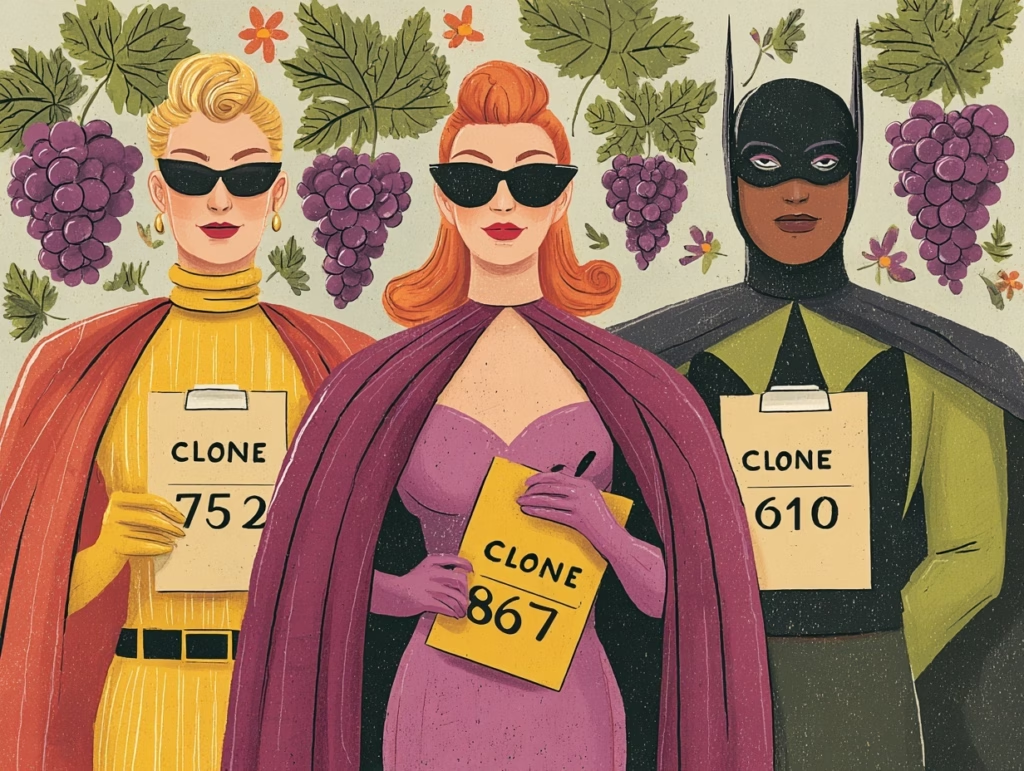
If you’ve ever heard a winemaker drop “777” or “Wente” like they’re discussing Marvel character codes, welcome to the world of wine clones.
Think of wine clones like different versions of your favorite song. Same artist (grape variety), but each version brings its own vibe. A wine clone is essentially a grapevine copied from one exceptional “mother vine” that had all the right qualities—kind of like finding that YouTube influencer with perfect skin and copying their regimen to a T.
This isn’t genetic modification or lab wizardry. Think of it like taking a cutting from your friend’s thriving monstera and growing your own. Except instead of Instagram-worthy leaves, we’re talking about grapes destined for your wine glass.
Why Clone Selection Is Like Casting the Perfect Movie
Just as you might choose a different actor for the supervillain and action hero, winemakers choose different clones for different roles:
For Cool Climate Vineyards:
- Early-ripening clones that can handle shorter growing seasons
- High-acid varieties that keep wines crisp and food-friendly
- Think: the reliable best friend who always shows up on time
For Warm Climate Vineyards:
- Heat-tolerant clones that won’t shut down in the summer
- Lower sugar accumulation for balanced alcohol levels
- Think: the friend who somehow looks effortless in 90-degree weather
🍇 The Pinot Noir Clone Universe: Pinot Noir is basically the Gemini of wine grapes—dozens of officially recognized clones, each with completely different personalities: From delicate and structured, to showstopping and plush—it’s like having a closet full of little black dresses—same basic concept, totally different energy.
Clone vs. Variety vs. Selection: The Quick Breakdown
- Variety = The main character (Chardonnay, Pinot Noir, Cabernet Sauvignon)
- Clone = The specific version of that character (Clone 95 Chardonnay is still Chardonnay, just with its own special traits)
- Massal Selection = The greatest hits playlist (cuttings from a vineyard’s best-performing vines, creating natural diversity)
Do Wine Clones Actually Matter to You?
Let’s be honest, you’re probably not sitting there thinking, “Mmm, yes, definitely tasting that Clone 548 influence.” And that’s totally fine!
But here’s why they’re secretly important:
- They help explain why two Pinots from the same winemaker taste completely different
- Some producers make single-clone wines to showcase specific personalities
- Others blend multiple clones like a perfectly curated playlist for complexity
How to Sound Smart About Clones (Without Being That Person)
When you hear winemakers mention:
- 🍇 “Dijon clones” = French selections known for elegance and restraint
- 🍇 “Heritage selections” = Old California clones with loads of character
- 🍇 “Heat clones” = Varieties bred to handle climate challenges
You’ll know they’re talking about the grape’s backstory, not throwing around random numbers to sound fancy.
The Real-World Impact: Why This Matters for Your Wine Shopping
Understanding clones helps you:
- Predict wine styles before you buy (certain clones lean toward specific flavor profiles)
- Appreciate complexity in blended wines where multiple clones create layers
- Connect with winemakers who are passionate about their vineyard choices
- Explore single-clone bottlings for a masterclass in how much personality one variant can have
The Bottom Line
Wine clones are the unsung heroes working behind the scenes to make your favorite bottles possible. They’re not trying to steal the spotlight—they’re the stylist making sure everything looks perfect, the producer fine-tuning every detail, the friend who knows exactly what you need before you ask.
Next time you hear a winemaker get excited about their “old Martini selection” or “certified Dijon clones,” you’ll know they’re not speaking in code. They’re telling you the grape’s origin story—and your wine just got a whole lot more interesting.
Ready to explore clone differences? Look for single-clone Pinot Noirs from Oregon or California—it’s like a wine flight, but with purpose. Certain producers like Patricia Greene label their single site Pinot Noirs by clone allowing for side-by-side comparison.