Why Are Some Wines Single Varietal While Others Are Blends?
If you’ve already read my post on grapes, varietals, and blends, you know that grape refers to the fruit itself, varietal means the specific type (like Cabernet Sauvignon or Riesling), and a blend is a wine made from more than one varietal. But what determines whether a winemaker sticks to just one grape or brings a whole ensemble together? Like most things in wine (and the law), it depends—and there’s both art and science at work.
Regional Factors
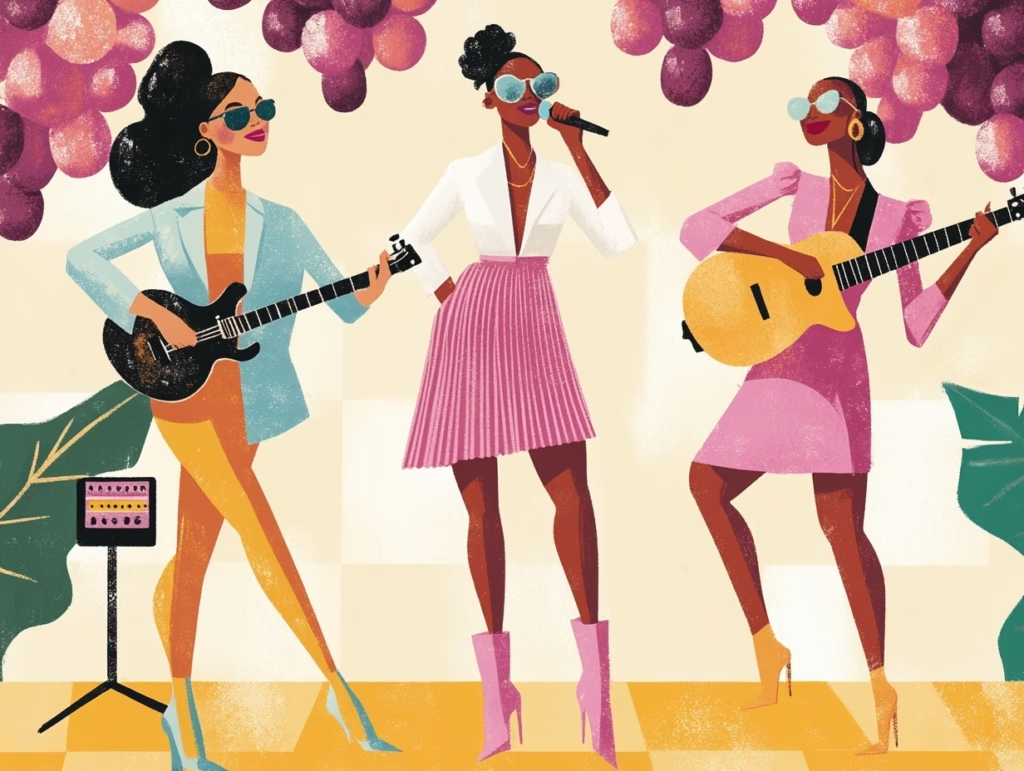
Let’s start with tradition. Some regions are famously devoted to blends. Bordeaux? That’s a blend-first culture, with Cabernet Sauvignon, Merlot, and friends coming together in a kind of elegant jam session. Châteauneuf-du-Pape? They’ve got a whole grape cast list that rivals the members of Broken Social Scene circa 2009. These regions evolved this way because blending helped balance ripeness, tannin, and structure in the days before climate control and lab analysis. Even today, blending allows winemakers to create consistent, complex wines that express the full character of a vintage.
Meanwhile, regions like Burgundy are the strong, silent types. Pinot Noir or Chardonnay, solo. Why? Because in places like Burgundy or Barolo, the grapes are so expressive—and the terroir so distinctive—that winemakers want to showcase that singular voice. A single varietal wine can act like a spotlight, illuminating the nuance of clone, soil, and microclimate. It’s minimalism with maximum impact.
Climate Factors
Climate plays a role, too. In warmer regions (think California or Southern Italy), grapes ripen more fully and predictably. That gives winemakers more flexibility to bottle a varietal on its own—it’s ripe, it’s balanced, it’s ready for prime time. Cooler climates (like the Loire Valley or parts of Austria) sometimes require a bit more finesse: blending can boost body, soften acidity, or enhance aromatics.
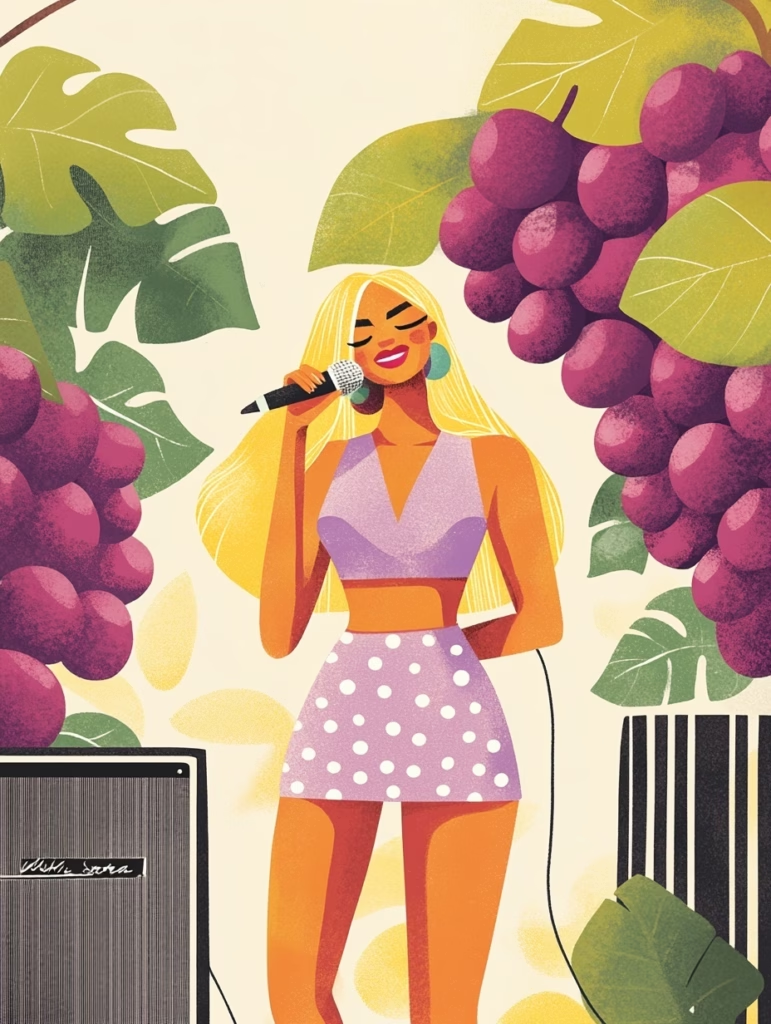
Winemaking philosophy also matters. Some producers want to let a grape tell its unfiltered truth—like a singer-songwriter playing solo acoustic. Others treat the winery more like a studio, using blending as a way to craft harmony, texture, and tension. Neither approach is better—it’s about what the winemaker is trying to say.
Varietal Factors
Some grapes are team players by nature. Grenache, for example, is juicy and friendly, but can lack structure—enter Syrah or Mourvèdre to add backbone and spice. On the flip side, grapes like Riesling or Nebbiolo have such strong personalities that they tend to go it alone. (Think solo artists who don’t need backup vocals.)
And some wines fall into both camps depending on where they’re grown. Sauvignon Blanc, for instance, is often bottled solo in New Zealand but blended with Sémillon in Bordeaux or Washington State. Context is everything.
Here’s a quick sheet on wines that prefer to feature solo, blend, and ones that bounce between:
| Commonly Single Varietal | Pinot Noir, Chardonnay, Riesling, Nebbiolo, Grüner Veltliner, Gewürztraminer, Sangiovese (Chianti Classico), Albariño, Viura |
| Commonly Blended | Merlot, Grenache, Mourvèdre, Sémillon, Carignan, Cinsault, Colombard, Roussanne, Marsanne, Touriga Nacional, Macabeo |
| Used Both Ways | Sauvignon Blanc, Syrah (think Northern vs Souther Rhône), Cabernet Franc, Zinfandel, Tempranillo, Malbec, Chenin Blanc, Viognier, Cabernet Sauvignon (think Napa vs. Bordeaux) |
The takeaway? Whether a wine is a solo act or a group performance comes down to tradition, climate, grape personality, and winemaking style. Learning the “why” behind each choice makes every glass more interesting—and every bottle a new kind of story.