Wine Tasting Notes Decoded: Primary, Secondary & Tertiary Aromas Explained
Ever read a wine description that sounds like a perfume counter crossed with a farmers market? “Notes of blackberry and vanilla with hints of leather and tobacco.” Like, are we drinking wine or opening a vintage trunk in a berry patch?
Here’s the thing: those wine tasting notes are actually telling you the wine’s entire life story, from grape to glass. And understanding the difference between primary, secondary, and tertiary notes is like having the decoder.
Let’s break down this flavor timeline so you can actually get what you’re tasting (and maybe sound impressively knowledgeable at your next wine night).
The Three Acts of Wine’s Flavor Story
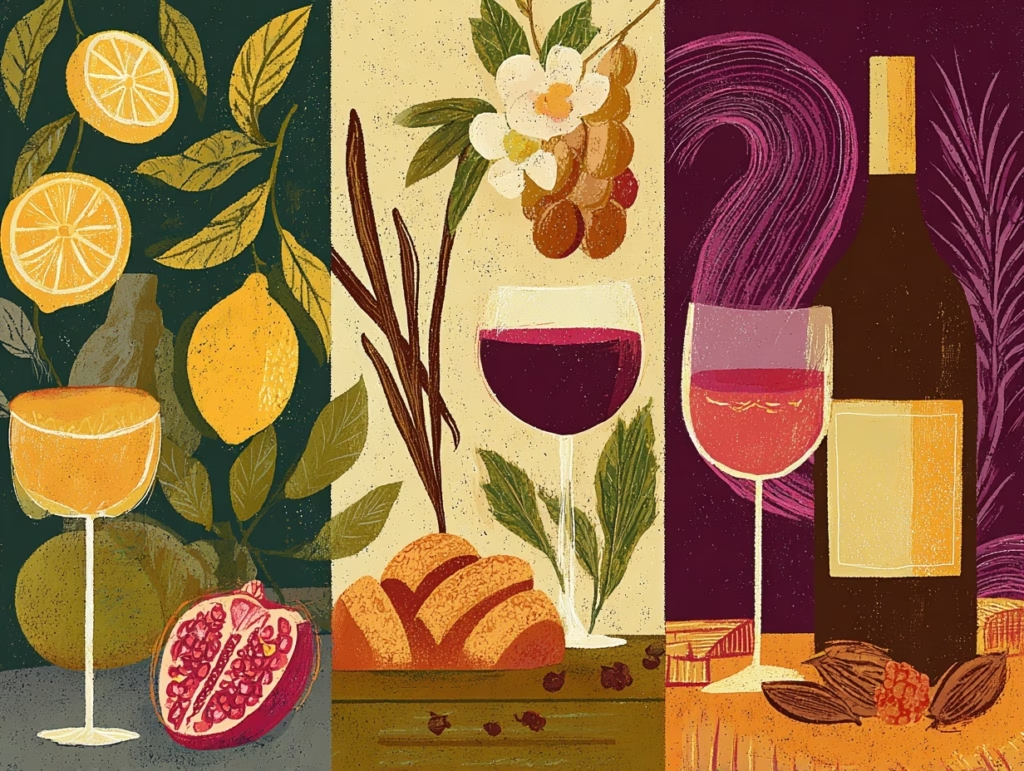
Think of wine aromas like a three-act structure in your favorite show. Primary notes are the pilot episode (all about the main characters), secondary notes are the character development arc (shaped by the plot), and tertiary notes are the series finale (where everything comes together after years of storytelling).
Primary Notes: The Grape’s Natural Personality
Where they come from: The grape variety itself and where it was grown
Primary aromas are what the grape brings to the party naturally – they’re all fruit, flowers, and herbs. These are the flavors that make a Sauvignon Blanc taste like Sauvignon Blanc and a Cabernet taste like Cabernet, regardless of what happens in the winery.
Common Primary Notes in White Wines:
- Citrus: Lemon, lime, grapefruit, orange zest
- Stone fruit: Peach, apricot, nectarine
- Tropical: Pineapple, mango, passion fruit
- Tree fruit: Apple, pear, quince
- Floral: White flowers, honeysuckle, jasmine
- Herbal: Grass, bell pepper, mint
Common Primary Notes in Red Wines:
- Red fruit: Cherry, raspberry, strawberry, cranberry
- Black fruit: Blackberry, black currant, plum
- Floral: Rose, violet
- Herbal: Eucalyptus, mint, green pepper
- Earthy: Mushroom, forest floor, wet leaves
What primary notes tell you: How ripe the grapes were, the climate they grew in (cool climate = more citrus and herbs; warm climate = more tropical and dark fruit, sometimes even veering into baked or candied), and the varietal’s signature style.
Secondary Notes: The Winemaker’s Influence
Where they come from: Fermentation and winemaking techniques
Secondary aromas are where the winemaker gets creative. This is all about what happened after the grapes were picked – whether the wine was fermented in oak barrels or stainless steel, if it went through malolactic fermentation (that process that makes wine creamy), or if it spent time aging on its lees (dead yeast cells, which sounds gross but creates amazing texture and flavor).
Common Secondary Notes in White Wines:
- From oak aging: Vanilla, butter, toast, caramel, coconut
- From lees aging: Bread dough, brioche, cream, yogurt
- From malolactic fermentation: Butter, cream, popcorn
Common Secondary Notes in Red Wines:
- From oak aging: Vanilla, smoke, cedar, clove, coffee, chocolate
- From whole cluster fermentation: Spice, stem, green notes
- From carbonic maceration: Banana, bubble gum, candy
What secondary notes tell you: The winemaking style – whether the winemaker wanted a crisp, fruit-forward wine (minimal secondary notes) or something richer and more complex (hello, buttery Chardonnay). If you’re getting strong vanilla and toast, that wine definitely saw some oak time.
📚 Read On: For more on what secondary notes can tell you about how a wine was made, check out my posts on wine vessels and the difference between oak barrel composition.
Tertiary Notes: The Aging Glow-Up
Where they come from: Time spent aging in the bottle
Tertiary aromas only develop after wine has been aging for years. These are the sophisticated notes that wine collectors geek out over – the reward for patience. Not all wines develop tertiary characteristics (looking at you, Pinot Grigio), but age-worthy wines transform in beautiful ways.
Common Tertiary Notes in White Wines:
- Nutty: Almond, hazelnut, walnut
- Oxidative: Honey, caramel, toffee
- Dried fruit: Dried apricot, raisin, fig
- Other: Petrol (yes, in aged Riesling this is a good thing), beeswax, lanolin
Common Tertiary Notes in Red Wines:
- Dried fruit: Prune, fig, raisin
- Savory: Leather, tobacco, cigar box
- Earthy: Truffle, forest floor, dried leaves
- Spice: Cinnamon, clove (different from oak spice)
- Other: Tar, game, meat
What tertiary notes tell you: This wine has been on a journey. If you’re tasting leather, tobacco, or dried fruit, you’re drinking something with age and complexity.
Quick Reference: The Wine Notes Cheat Sheet
| Note Type | Source | Common Descriptors | What It Tells You |
| Primary | The grape + terroir | Fruits, flowers, herbs | Grape variety, climate, ripeness level |
| Secondary | Winemaking | Vanilla, toast, butter, bread, spice | Oak usage, fermentation style, winemaking choices |
| Tertiary | Bottle aging | Leather, tobacco, dried fruit, nuts, honey | Wine’s age and development, cellar-worthiness |
How to Actually Use This When Wine Tasting
Next time you’re swirling your glass, try this:
- First sniff: What fruits do you smell? (Primary)
- Second sniff: Any vanilla, toast, or creamy notes? (Secondary)
- Third sniff: Anything earthy, nutty, or dried? (Tertiary)
If you’re mostly getting primary notes, you’re drinking a young, fresh wine. If secondary notes dominate, the winemaker made deliberate style choices (probably oak). If tertiary notes are showing up, you’re sipping something with bottle age.
The Bottom Line
Understanding these three categories of wine notes is the secret decoder to reading the story in your glass. Primary notes tell you about the grape and where it grew up. Secondary notes reveal the winemaker’s creative choices. Tertiary notes whisper about the wine’s journey through time.
So next time someone describes a wine as having “notes of blackberry, vanilla, and leather,” you’ll know exactly what that means: fruit (blackberry, primary), some time in oak (vanilla, secondary), and a few years in the bottle (leather, tertiary). You’re basically a detective now.
Ready to put your new knowledge to the test? Grab two bottles of the same grape variety – one young and fresh, one with a few years on it – and taste them side by side. The difference will blow your mind (and make you look very fancy at your next dinner party).