Category FAQ

Wine Acidity Explained: Your Complete Guide

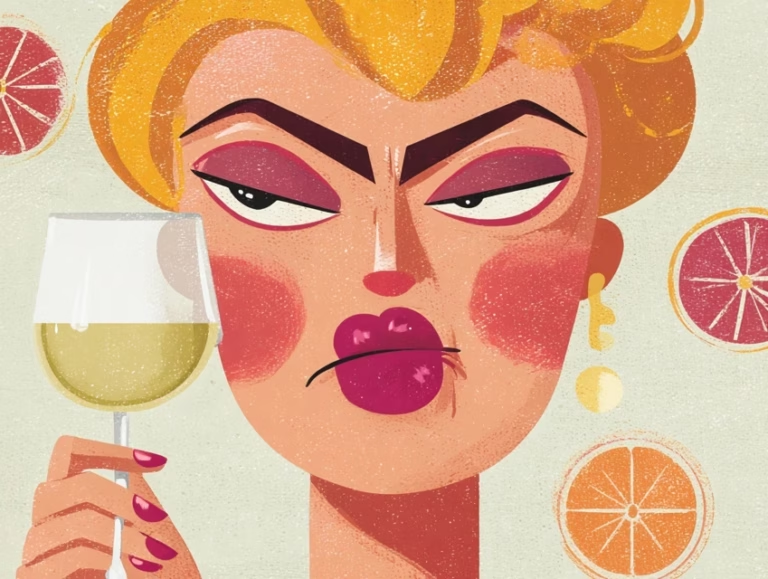
illustration of someone drinking acidic wine

Ever taken a sip of wine and felt your mouth instantly water like you just bit into a lemon? Or maybe you’ve noticed some wines feel crisp and zippy while others are soft and mellow? Welcome to the wonderful world…

Skin Contact in Wine: Why Color Matters

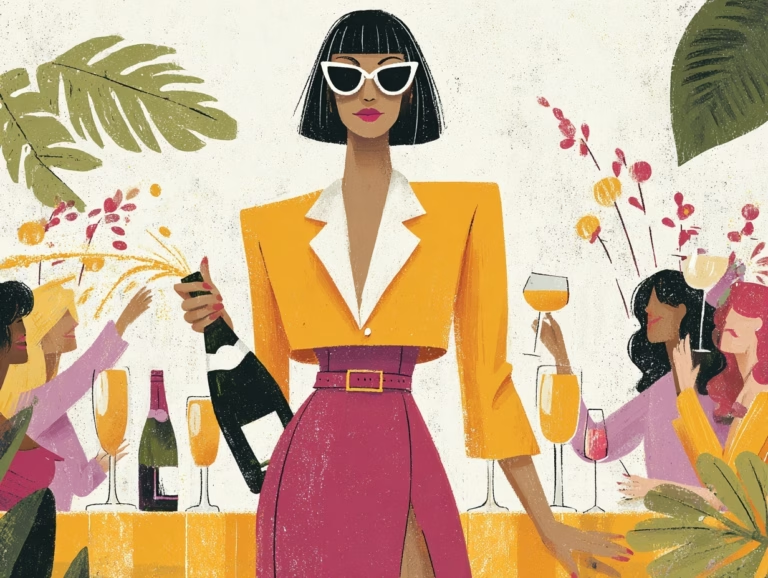
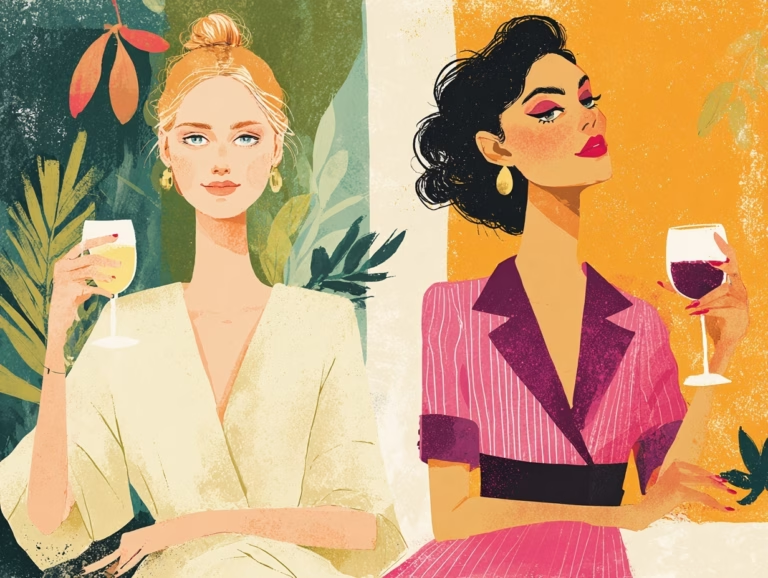
illustration of two women drinking wine

Ever wondered why your rosé is pink, your orange wine is orange, and your Cabernet is deep purple? It's all about the skin contact, baby! Think of it like a makeup routine: no contact gives you that fresh-faced look, a little gives you that 'no-makeup makeup' vibe, and full contact is your full glam moment. Here's the thing most people don't realize: all grape juice starts out clear—yes, even from red grapes!

Chartreuse FAQ: Everything You Need to Know About the Green Liqueur Shortage

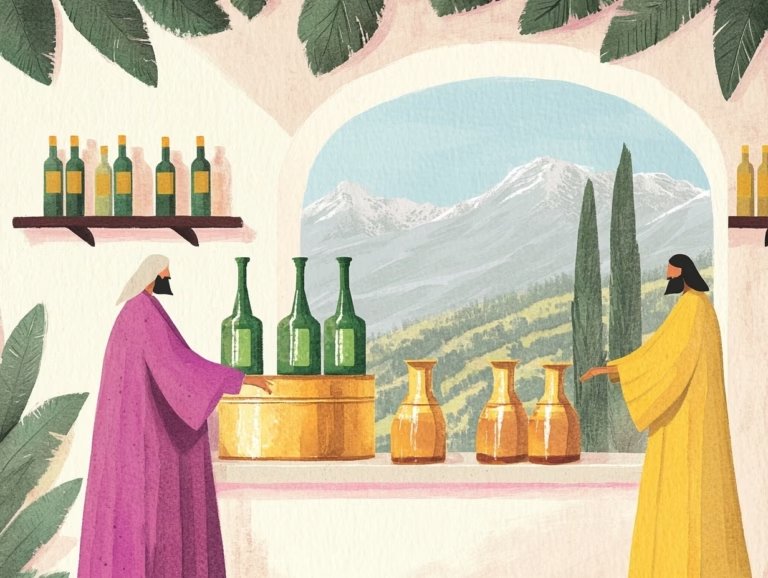
illustration of monks making chartreuse in the alps

The Chartreuse shortage isn't due to supply chain issues or production problems—it's because the Carthusian monks made a conscious decision in 2021 to cap production at roughly 1.2 million bottles per year. Their reasoning? 'Making millions of cases does not make any sense in today's environmental context and will have a negative impact on the planet in the very short term.' The monks also wanted to 'protect their monastic life and devote their time to solitude and prayer' rather than scale up production to meet growing demand from the craft cocktail world.

What is a Liqueur? The Sweet Spot Between Wine and Spirits

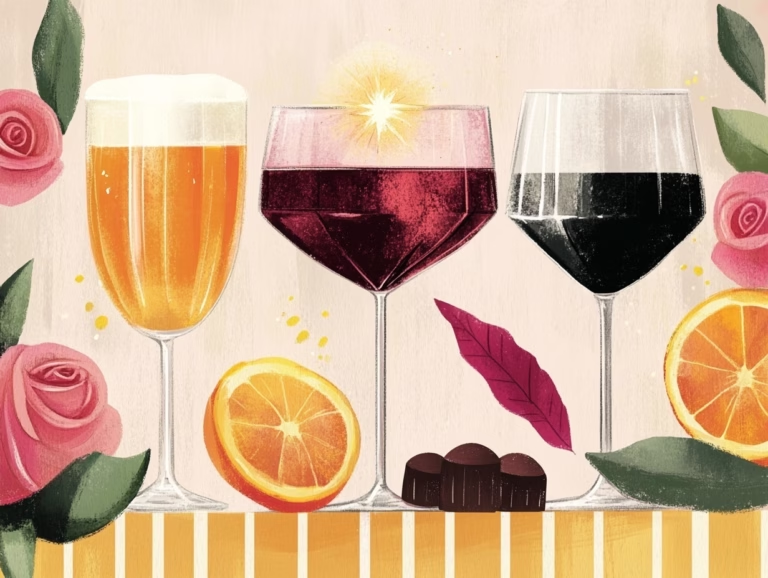
illustration of wine and beer and liqueur

A liqueur is essentially a sweetened spirit that's been infused with flavors—fruits, herbs, spices, or even chocolate. Unlike wine (fermented grapes) or straight spirits (pure distilled alcohol), liqueurs get their character from this flavor infusion process. In the US, liqueurs must contain at least 2.5% sugar by weight and have minimum 15% ABV to qualify legally.