Wine Acidity Explained: Your Complete Guide
Ever taken a sip of wine and felt your mouth instantly water like you just bit into a lemon? Or maybe you’ve noticed some wines feel crisp and zippy while others are soft and mellow? Welcome to the wonderful world of acidity.
Let’s break down everything you need to know about acidity in wine, from what it actually does to how to spot it in your glass.
What Exactly Is Acidity in Wine?
Think of acidity as one of wine’s key personality traits—but it’s not working alone. Wine’s overall character comes from the interplay of several elements: acidity, tannins (in reds), alcohol, body, fruit flavors, and sweetness. Together, these components create a wine’s unique vibe, but acidity plays a starring role in keeping things fresh and lively.
So where does acidity come from? It all starts in the vineyard. As grapes grow and ripen on the vine, they naturally contain organic acids—mainly tartaric, malic, and citric acid. Early in the growing season, grapes are super acidic (think mouth-puckeringly sour). As they ripen in the sunshine, their sugar levels increase while acid levels decrease. It’s a delicate balance: harvest too early and you get bracingly acidic wine; harvest too late and you lose that refreshing zing.
Climate plays a huge role here. In cool regions, grapes ripen slowly, maintaining higher acid levels. In warm regions, the acids break down faster as sugars develop, resulting in lower-acid wines. Winemakers are basically racing against time, trying to harvest at that perfect moment when sugar and acid are in beautiful harmony.
Once grapes reach the winery, most of that natural acidity stays in the wine through fermentation. Some winemakers might adjust acidity levels (adding acid in warm climates or reducing it through malolactic fermentation in cool climates), but the grape’s natural acid content is the foundation.
Why Does Acidity Matter?
Acidity is basically wine’s backbone. Here’s what it does:
- Keeps Wine Fresh: Without acidity, wine tastes flat and boring—like leaving a soda open overnight. Acidity provides that crisp, lively quality that makes wine refreshing.
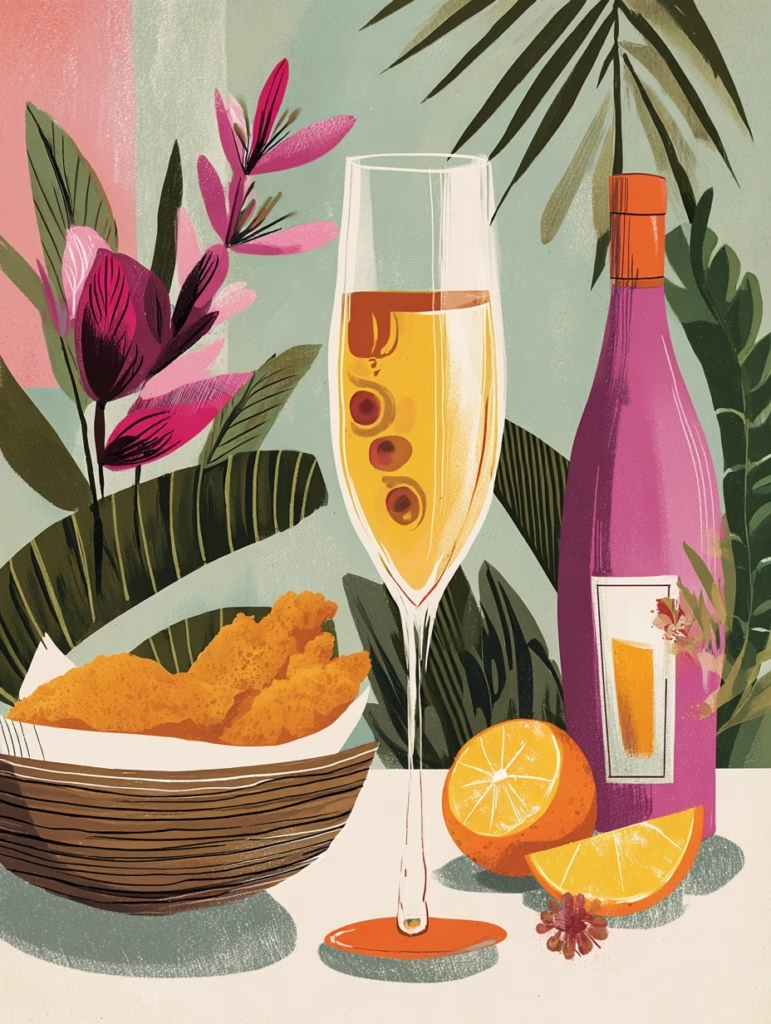
- Makes Wine Food-Friendly: High-acid wines are the ultimate dinner companions. They cut through rich, fatty foods and cleanse your palate between bites. This is why Champagne pairs perfectly with fried chicken and Sauvignon Blanc is magical with goat cheese.
- Helps Wine Age: Acidity acts as a natural preservative. High-acid wines can age gracefully for years (even decades), developing complex flavors over time.
- Balances Sweetness: Ever noticed how lemonade needs both sugar AND lemon juice to taste right? Same deal with wine. Acidity keeps sweet wines from tasting cloying or syrupy.
How Do I Actually Taste Acidity?
Here’s your wine detective checklist for identifying acidity:
- The Mouth-Watering Test: This is the biggest tell. After you swallow, does your mouth produce extra saliva? High-acid wines give you that Warheads candy sensation. If your salivary glands kick into overdrive, you’re dealing with high acidity.
- The Tongue Tingle: Pay attention to the sides of your tongue and under your jaw. High-acid wines create a tingling, almost electric sensation in these areas.
- The Crisp Factor: Does the wine feel sharp and refreshing, like biting into a green apple? Or is it soft and smooth, like eating a ripe peach? The former signals higher acidity.
- The Finish: High-acid wines leave you with a clean, bright finish. Low-acid wines feel rounder and softer in your mouth.
How Acidity Shows Up Differently in Reds vs. Whites
Acidity doesn’t play the same role in red wines as it does in whites. It’s like how the same leather jacket looks completely different styled with jeans versus a dress—same element, different vibe.
- In White Wines: Acidity is front and center, often the star of the show. It’s what makes whites feel crisp, refreshing, and bright. White wines tend to have higher perceived acidity because there’s nothing masking it. That citrusy zing hits you right away.
- In Red Wines: Acidity plays more of a supporting role. Tannins share the spotlight with acidity, making it less obvious. Red wine acidity feels more integrated—it’s there providing structure and lift, but it’s working behind the scenes with tannins and darker fruit flavors. You might notice it more as a “juiciness” or freshness rather than that sharp citrus bite.
💡 Think of it this way: White wine acidity is like listening to a solo artist—you hear every note clearly. Red wine acidity is like listening to a full band—the bass line (acidity) is essential, but the guitar (tannins) and drums (fruit) are competing for your attention too.
High-Acid Wines: What to Look For
If you love that zippy, refreshing wine style, here’s how acidity shows up in some classic examples:
- Sauvignon Blanc: The poster child for high-acid whites. When you sip a Sauvignon Blanc (especially from Marlborough or the Loire Valley), your mouth immediately waters. You’ll feel that tingle on the sides of your tongue, and the wine tastes like you’re biting into a just-picked grapefruit or green apple. The finish is razor-sharp and clean, almost leaving your palate feeling refreshed and ready for another sip. This is acidity at its most obvious and vibrant.
- Riesling: Another high-acid superstar, but it shows up differently than Sauvignon Blanc. German Rieslings especially have this electric quality—your mouth waters intensely, but there’s often some sweetness balancing that acidity. The acidity tastes like lemon zest and lime, and even in sweeter styles, the wine never feels heavy because acid keeps everything lifted and fresh.
- Champagne: Bubbles amplify acidity, making Champagne one of the most mouth-watering wines out there. Notice how the fizz combined with high acid creates that almost sharp sensation on your tongue? That’s why Champagne is the ultimate palate cleanser and pairs so well with rich foods—the acidity cuts through everything.
- Pinot Noir: For reds, Pinot Noir shows acidity beautifully. Unlike Sauvignon Blanc’s citrus punch, Pinot’s acidity presents as bright red fruit—think fresh cranberries or tart cherries. You’ll still get that mouth-watering sensation, but it’s wrapped up with silky tannins and earthy notes. The acidity makes Pinot feel “lifted” and elegant rather than heavy. Oregon Pinot Noirs especially show this bright, food-friendly acidity.
- Sangiovese (Chianti): Italian Sangiovese is all about that juicy acidity. When you taste a Chianti, the wine makes you want to take a bite of food—that’s the acidity doing its job. You’ll taste bright cherry and sometimes even a tomato-like savory quality. The acidity creates mouthwatering “juiciness” that makes Sangiovese the perfect pasta wine.
Pro Tip: Cool-climate wines generally have higher acidity than warm-climate wines. Grapes grown in cooler regions (like Oregon, Germany, or Northern France) retain more acidity because they ripen more slowly.
Food Pairing: Matching Acidity Like a Pro
The golden rule? Match high-acid wines with rich, fatty foods. The acidity cuts through the fat like a palate cleanser, preventing that heavy, coated feeling in your mouth.
High-Acid Wine Pairings:
- Champagne + fried chicken or French fries
- Sauvignon Blanc + goat cheese salad
- Riesling + spicy Thai curry
- Pinot Noir + salmon or duck
- Sangiovese + tomato-based pasta
Does Climate Affect Acidity?
Absolutely! Climate is basically acidity’s overlord. Here’s the breakdown:
- Cool Climates = Higher Acidity Think Germany, Oregon’s Willamette Valley, or France’s Loire Valley. Cooler temperatures mean grapes ripen slowly, maintaining their natural acidity. These wines taste crisp and refreshing.
- Warm Climates = Lower Acidity Think California’s Napa Valley, Australia, or Spain. Warmer temperatures cause grapes to ripen faster, burning off acidity and creating softer, fruitier wines.
The Acidity Sweet Spot
Not all high-acid wines taste sour, and not all low-acid wines taste flat. The best wines have balanced acidity—enough to keep things fresh and food-friendly, but not so much that your face puckers.
When acidity is balanced with fruit, sweetness, tannins (in reds), and alcohol, you get a wine that just tastes… right. Everything works together in harmony, like your favorite playlist.
The Bottom Line
Acidity keeps things fresh, makes wine food-friendly, and creates that mouthwatering quality.
So next time you’re wine shopping, think about your mood. Want something bright and refreshing for your sushi date? Grab that high-acid Sauvignon Blanc. Planning a cozy night with pasta? Maybe opt for something with softer acidity like Viognier—or go with high-acid Sangiovese if you want that perfect tomato sauce pairing.
Trust your taste buds, and happy sipping! 🍷